
How we work with nature to bring back the Bay’s historic salt marshes
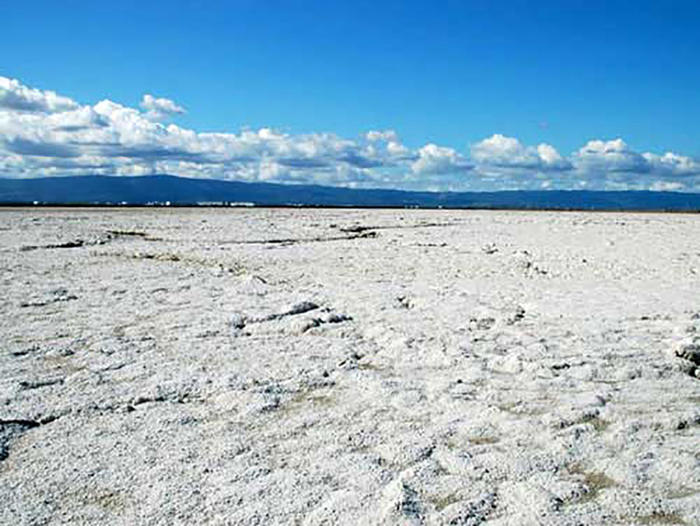
A typical salt pond looks like a moonscape in the dry of summer.
Imagen
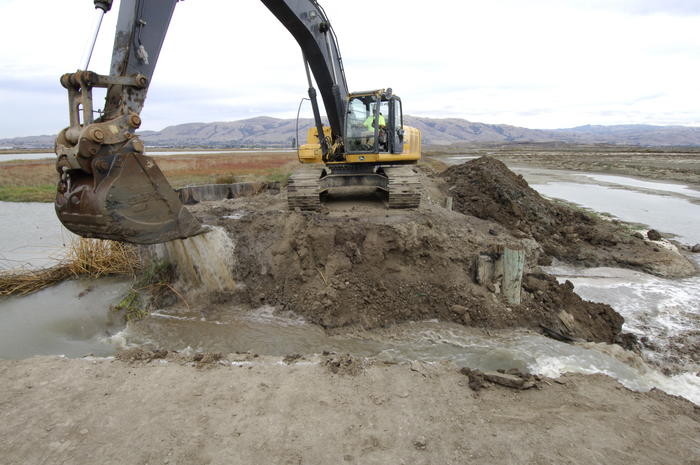
Digging in the Mud
We launch restoration by digging holes in the dirt levees surrounding ponds, and Bay tides rush in to cover crusted salt flats.
Imagen
Imagen
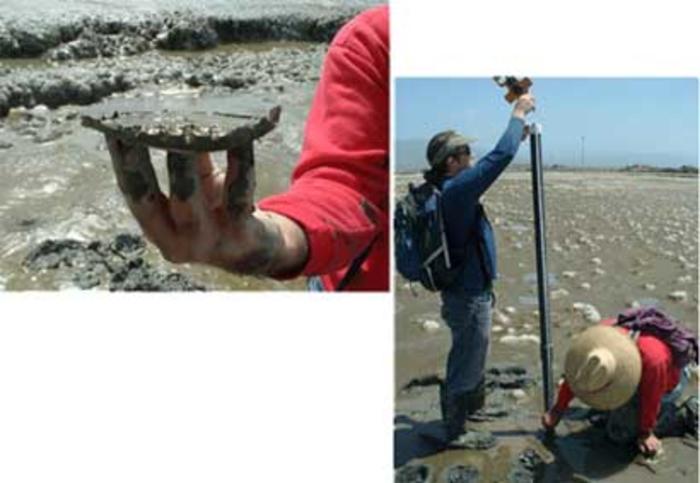
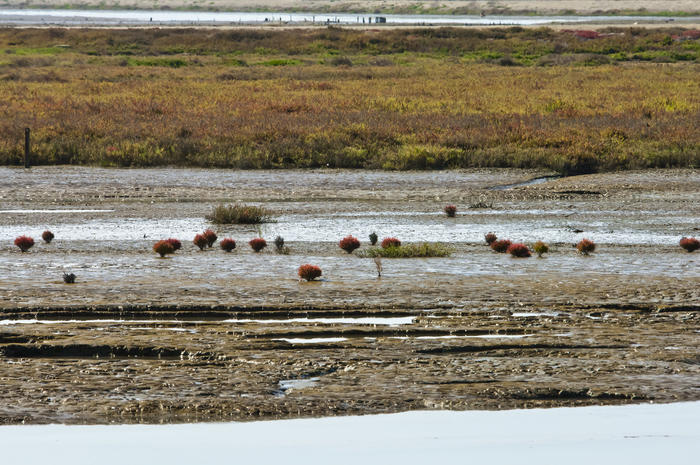
Vegetation Emerges
Once enough sediment has built up, it can support snails, shellfish, and other creatures, and the growth of marsh plants – so seedlings begin to pop up.
Imagen
Animals Find Refuge
Imagen
Imagen
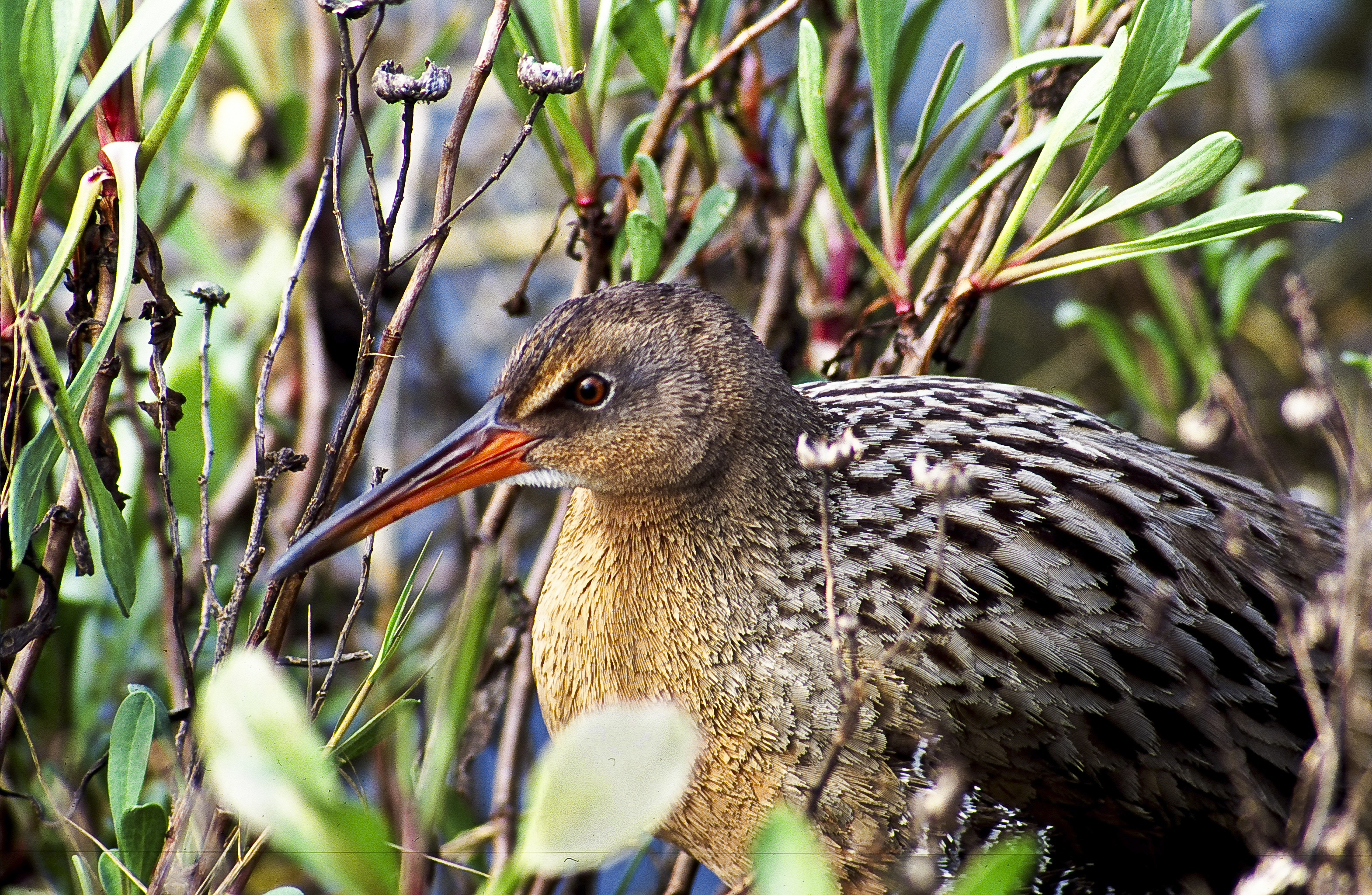
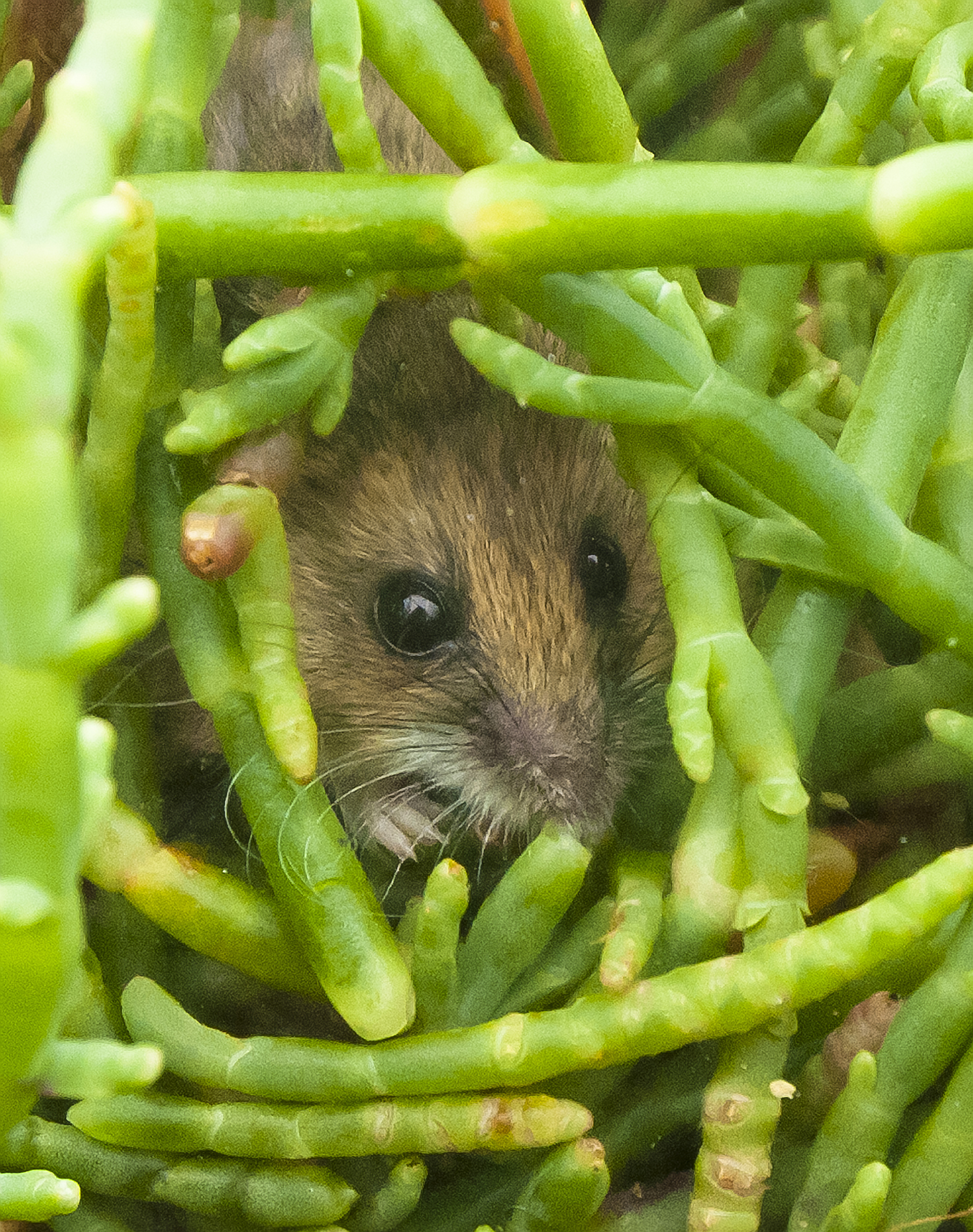
We are now seeing two key San Francisco Bay endangered species living and breeding in our restored wetlands. Scientists caught sight of the animals earlier than was expected, less than a decade after restoration began.
Breach, salt marsh, and endangered species photos credit: Judy Irving, Pelican Media.