

Meeting Type
Description
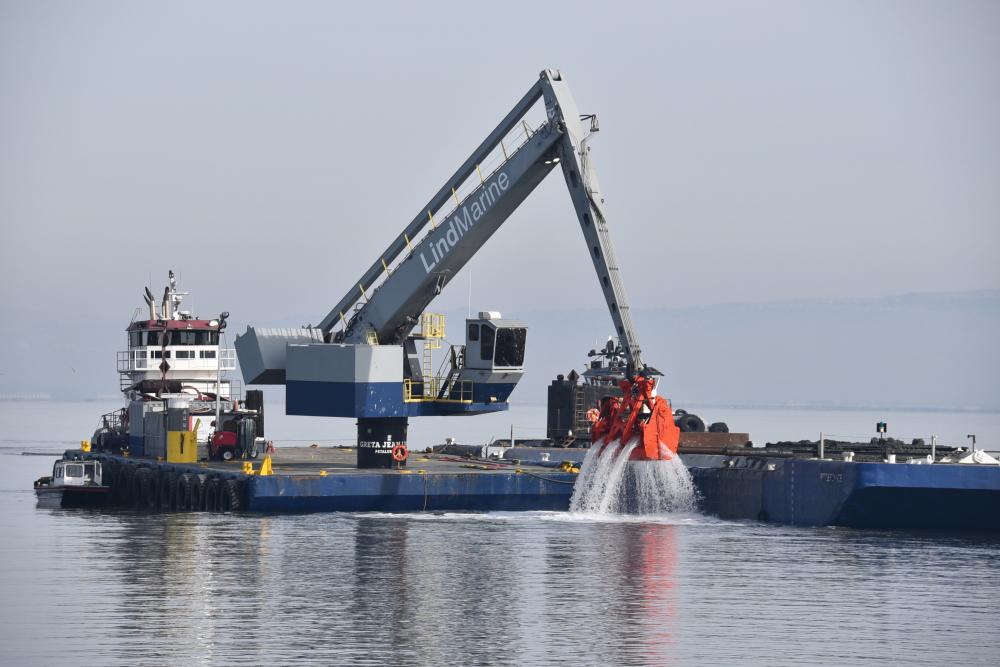
In order to speed the growth of restoring Eden Landing tidal marshes in the face of sea level rise, the U.S. Army Corps of Engineers in late 2023 tried something new: piling sediments off the Eden Landing shore for waves and tides to bring to the nearby marshes and mudflats. This novel approach avoids the harm that could occur by directly placing sediments on marsh. It could be a new tool in the toolbox to help sustain Bay mudflats and marshlands by using natural processes to transport sediment and provide nourishment for long-term wetland restoration efforts.
Learn about the design and results of this Eden Landing Strategic Placement Project from Julie Beagle of the Army Corps and USGS scientists Jessie Lacy, Karen Thorne, and Susan De La Cruz.
- Link to presentation video
- For more information on details of this presentation, you can contact Julie Beagle at [email protected]; Dr. Jessie Lacy at [email protected]; Dr. Susan De La Cruz at [email protected]; or Dr. Karen Thorne at [email protected].
- See info shared via meeting chat
Speaker Bios:
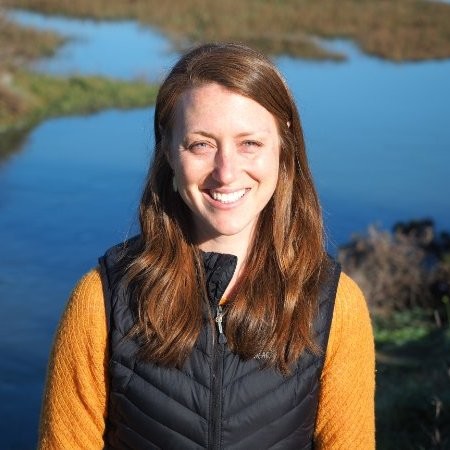
Julie Beagle is the Environmental Services Branch Chief for the U.S. Army Corps of Engineers San Francisco District. She brings a focus on integrating nature-based approaches into USACE studies, projects, and operations. She is the environmental technical lead on several Engineering with Nature pilot projects, including this project, and is also a National Practice Lead for the Engineering With Nature Program. Prior to her USACE work, she led many shoreline resilience and adaptation efforts as Deputy Director of the Resilient Landscapes Program at the San Francisco Estuary Institute and before that worked with North Coast land managers to reduce fine sediment runoff into salmonid streams and contributed to watershed-scale river restoration projects.
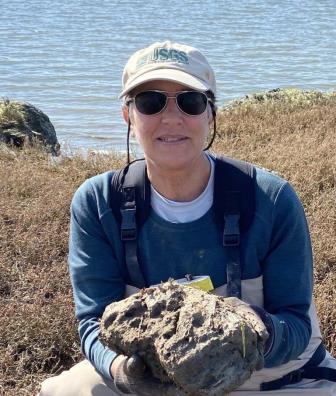
Dr. Jessie Lacy is a physical oceanographer at the USGS Pacific Coastal and Marine Science Center. She conducts research in hydrodynamics and sediment transport in estuaries and coastal waters, including San Francisco Bay, the Sacramento-San Joaquin Delta, Puget Sound, and Monterey Bay. Her research interests include sediment dynamics in estuarine shallows; hydrodynamic controls on sediment delivery to marshes; interaction between aquatic vegetation and hydrodynamics; and the role of the physical environment in defining habitat function in aquatic systems. She has served on science panels for conservation and restoration of Elkhorn Slough, Pescadero Lagoon, and the South Bay Salt Pond Restoration Project.
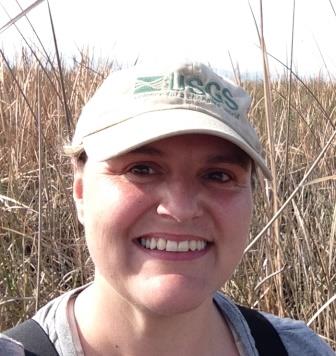
Dr. Karen Thorne is a Research Ecologist at the USGS Western Ecological Research Center in Davis. Along with her team she leads a research program that focuses on tidal marsh processes, restoration, and climate change. She has worked in the San Francisco Bay estuary for over 15 years conducting research to help inform estuary management and decision making. Recent projects have included assessing the progress and outcomes for marsh restorations, monitoring marsh elevation change to understand vulnerability to sea level rise, and carbon sequestration potential for marshes to mitigate greenhouse gases.
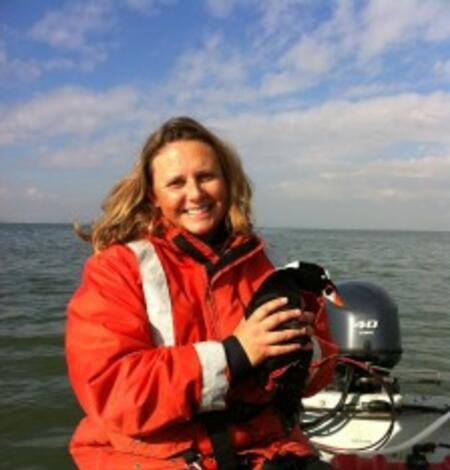
Dr. Susan De La Cruz is a Research Wildlife Biologist at the USGS Western Ecological Research Center in Moffett Field. She has worked in the San Francisco Bay Estuary and along the Pacific Flyway for over 25 years and her applied research program is geared towards informing management and conservation of migratory birds and their habitats. She and her team conduct research focused on waterbird movement and foraging ecology, food web processes, and avian response to habitat restoration and management. Current Estuary projects include assessing the role of wetland restoration in re-establishing estuarine food webs, improving aerial survey methodology for sea ducks and other waterbirds, and understanding the effects of sediment placement on benthic communities.
Further Info on Topic: The current paradigm of beneficially using dredged material in the Bay Area is to place material directly on subsided baylands to raise elevations to adjacent marsh plains so that tidal marsh vegetation and habitat can rapidly develop. However, that can cause direct impacts to the marsh in question. The pilot project used 90,000 cubic yards of sediment dredged from the Port of Redwood City, light-loading it into shallow-draft scows pushed by tugboat to the selected placement site offshore of Eden Landing’s Whale’s Tail Marsh. The pilot project included robust monitoring of sediment deposition and impacts, including potential impacts to benthic communities and eelgrass.
Early monitoring results have demonstrated that the placed sediments are incrementally “feeding” the targeted marsh over time. Turbidity from placement never exceeded natural thresholds. Eelgrass nearby expanded in area and density, and the benthic invertebrates directly under the placement footprint recovered in six months. Because of this early success, other strategic placement efforts and similar beneficial use efforts are being planned across the region with multiple partners.
Lunch and Learn Science Speaker Series
This presentation is one in a series put forth by the South Bay Salt Pond Restoration Project. The series addresses science and adaptive management done in support of or in collaboration with our Restoration Project as well as relevant outside work. Speakers discuss research, modeling, and monitoring efforts and how Restoration Project managers are using science to inform decisions about restoration, flood risk management, and public access.
You can check the Events Page for later presentations, to register and find info. Future topics include:
- September: Breeding Waterbirds
- October: Creek and Marsh Connections
| Attachment | Size |
|---|---|
| Chat: Questions and comments (242.87 KB) | 242.87 KB |