Birdy Hour with Sirena Lao: SF Bay National Wildlife Refuges, Introduction, Challenges, and How to Help

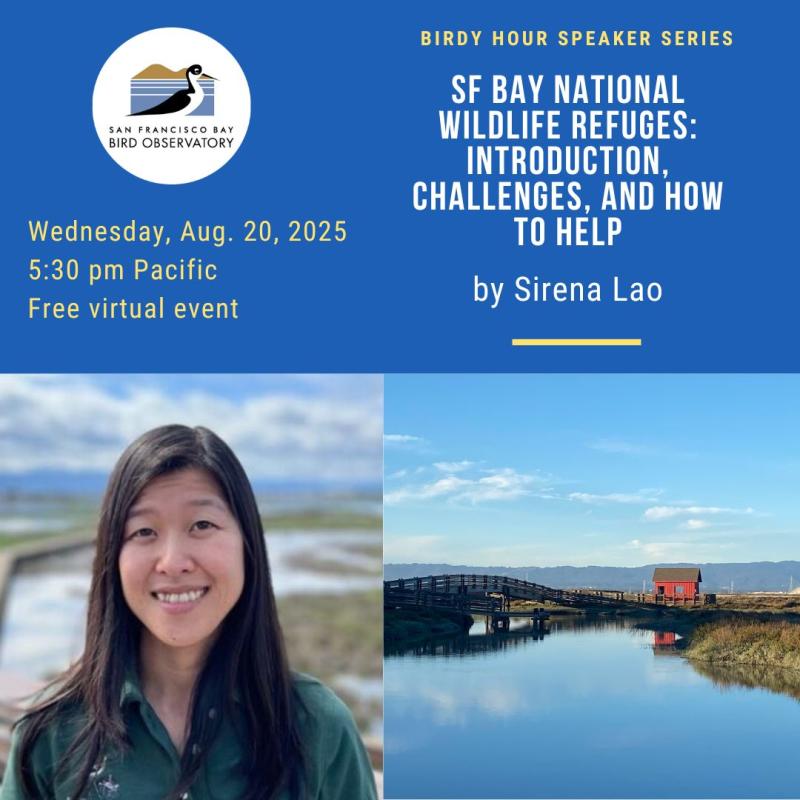
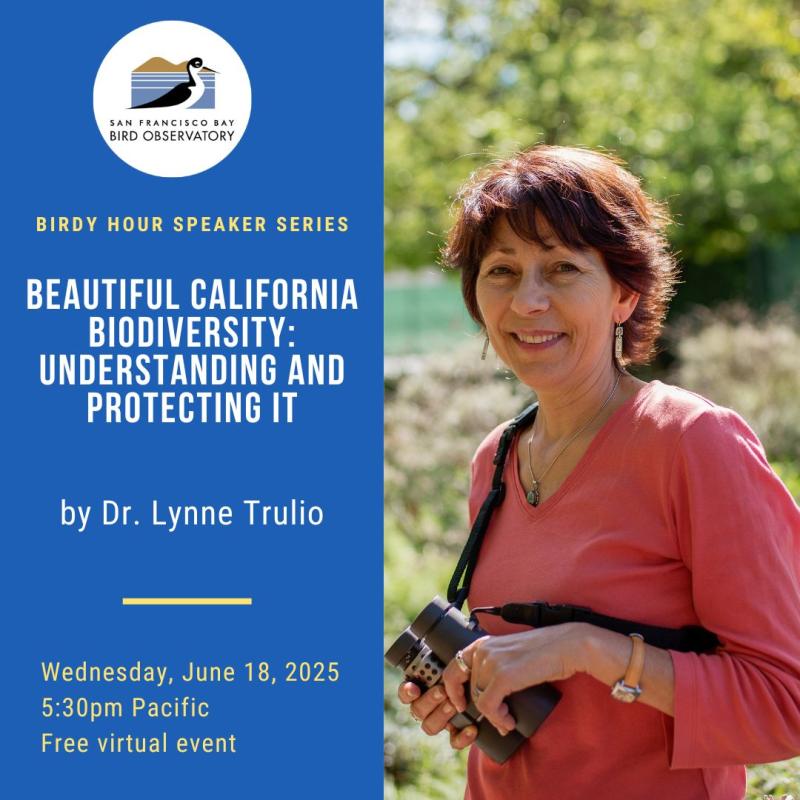
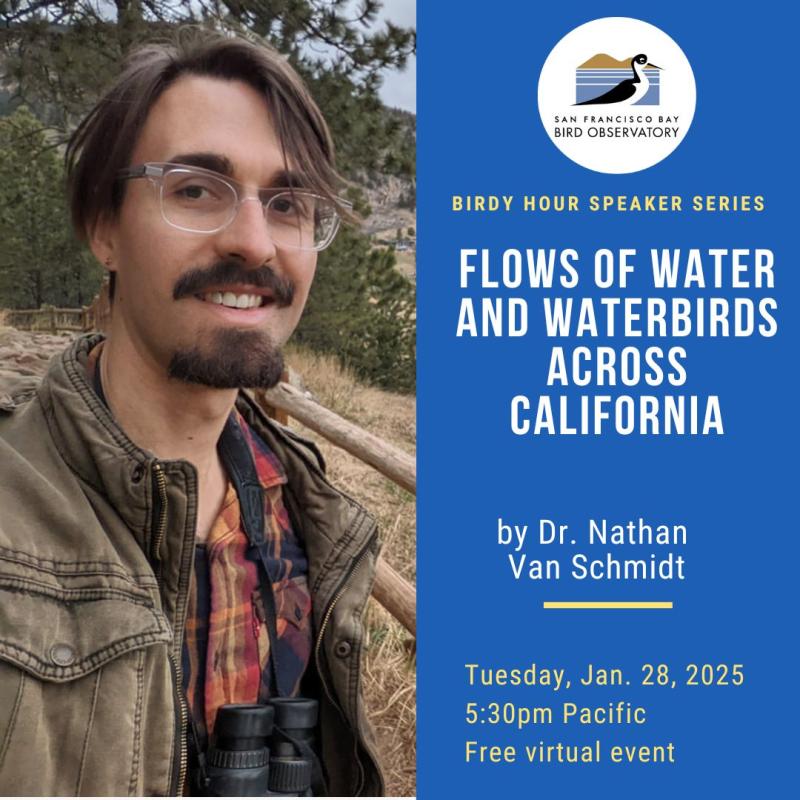
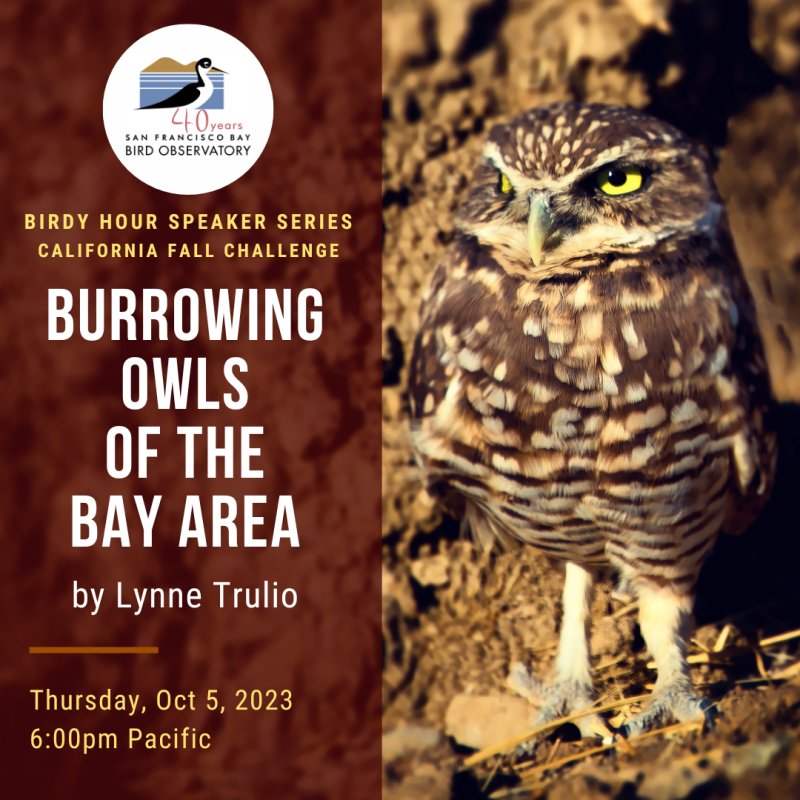
Event flyer
Event flyer

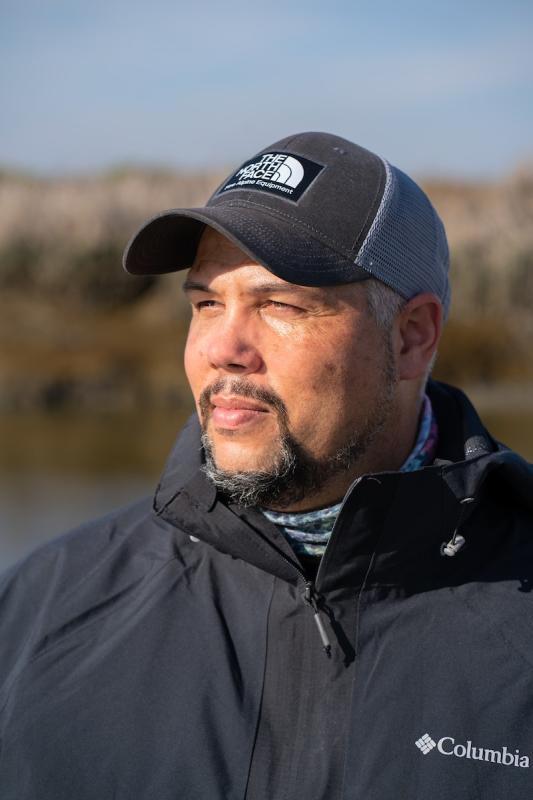
The U.S. Fish and Wildlife Service's San Francisco Bay National Wildlife Refuge Complex is made up of seven national wildlife refuges, protecting tens of thousands of acres of habitat for birds, endangered species, and other wildlife. Learn about these incredible places, with a focus on our largest, the Don Edwards San Francisco Bay National Wildlife Refuge in the South Bay, at this free San Francisco Bay Bird Observatory virtual presentation.

Lunch and Learn Science: Creek and Marsh Connections – Michael MacWilliams

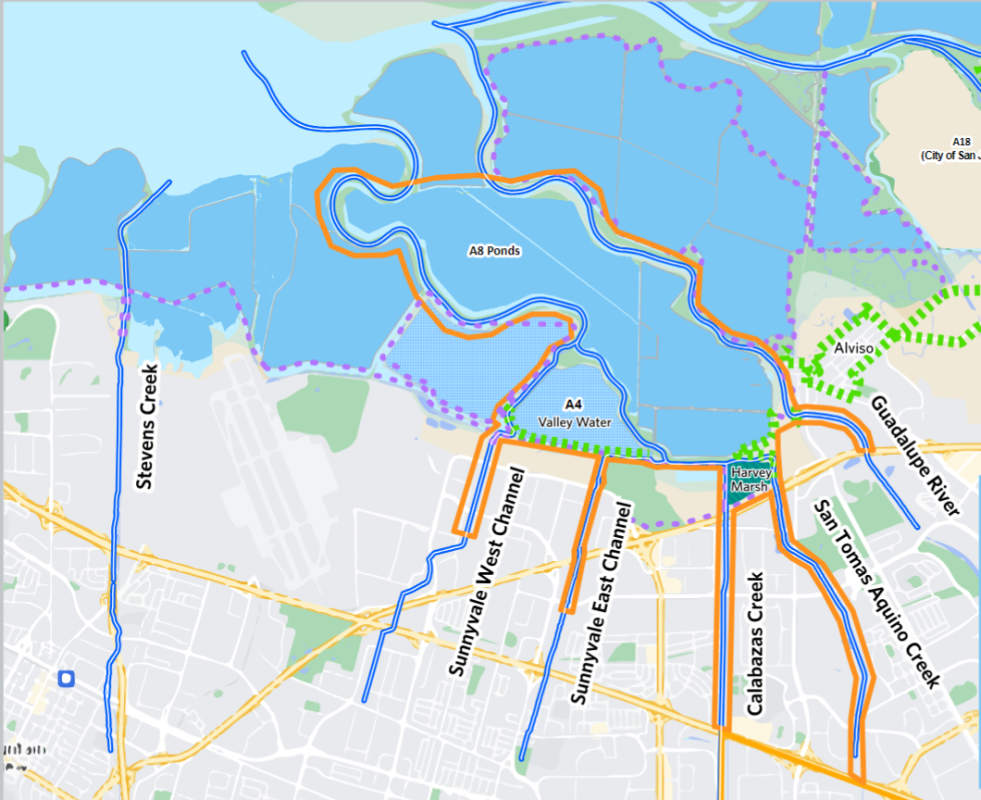
Calabazas and San Tomas Aquino creeks meet the salt ponds. Credit: Valley Water

Learn how creek flows and sediments can benefit restoring tidal marshes from Michael MacWilliams of FlowWest, who has modeled hydrodynamics where the Calabazas and San Tomas Aquino creeks adjoin the salt ponds in northern San Jose. His work informs Valley Water’s project to connect those creeks with an Alviso pond in the Restoration Project.

Lunch and Learn Science: Breeding Waterbird Ecology and Management for the Restoration Project - Josh Ackerman, USGS

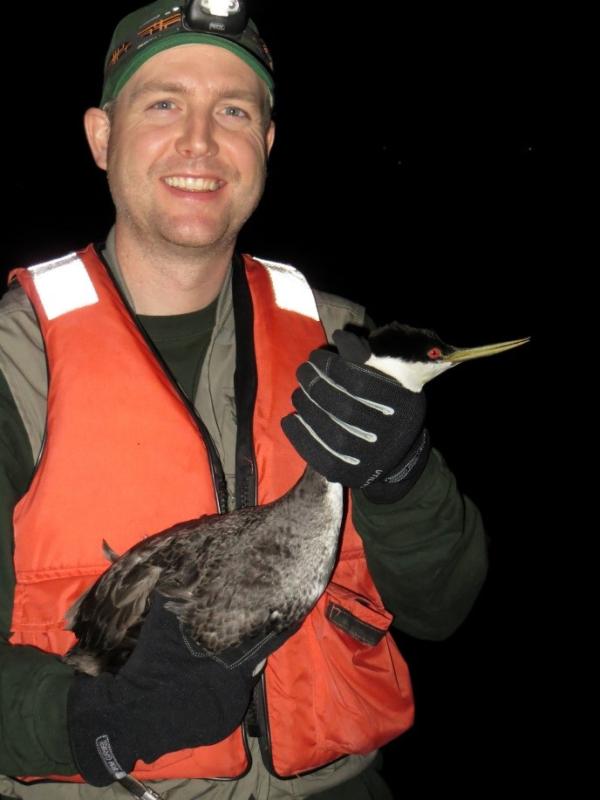
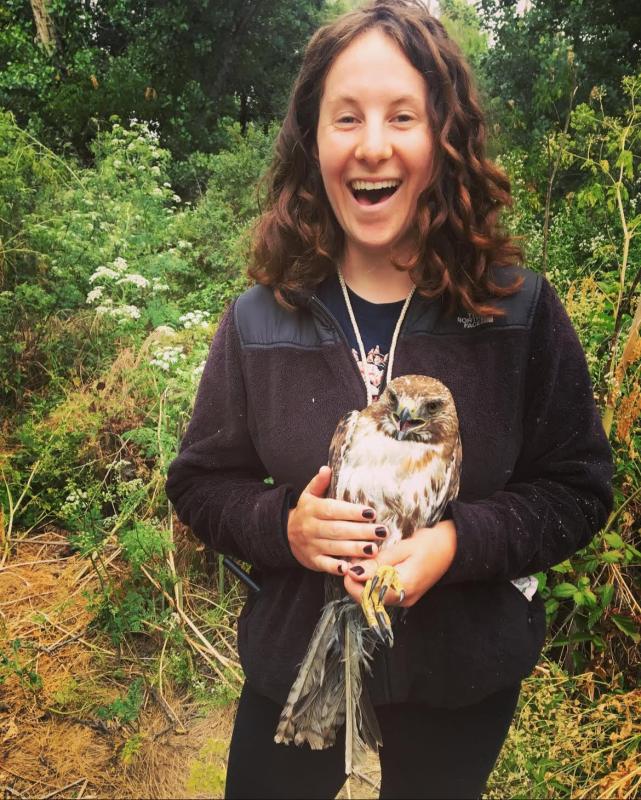
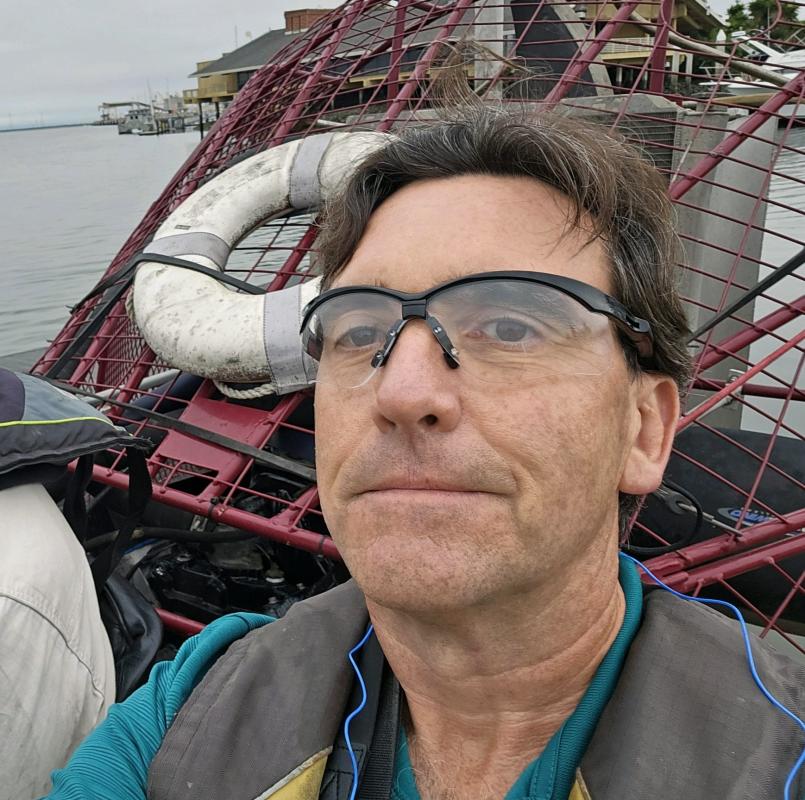
Josh Ackerman with a western grebe

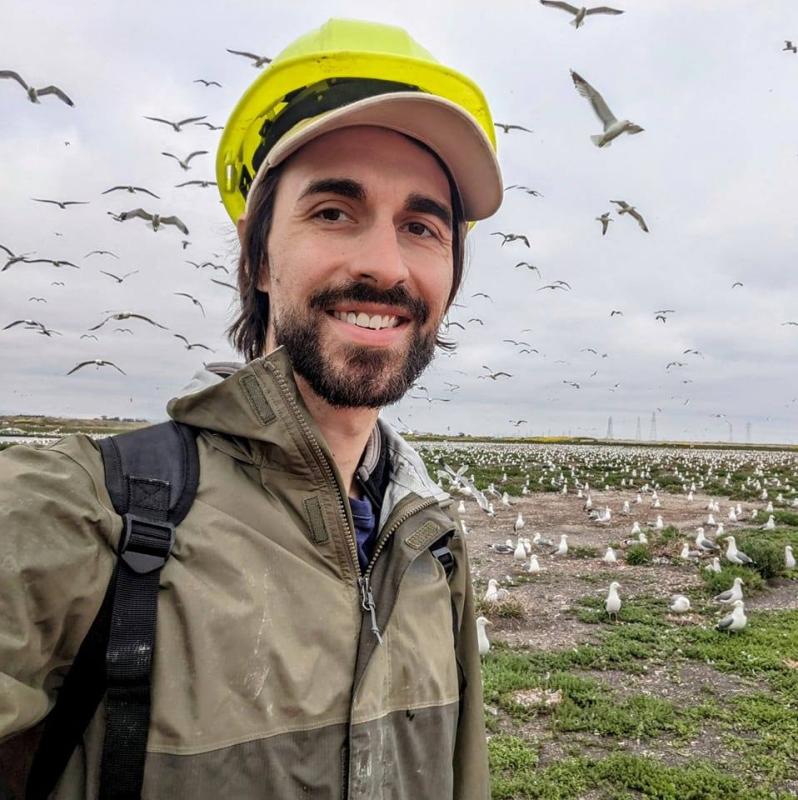
Learn about San Francisco Bay breeding waterbirds from Dr. Josh Ackerman of USGS, who has looked at South Bay avocets, stilts and terns to understand how their abundance has changed since the inception more than 20 years ago of the Restoration Project. He has also examined the effect on birds of predators and the utility of various management actions to maintain and expand waterbird numbers as former industrial salt ponds are restored to tidal wetlands.

Lunch and Learn Science: Feeding sediment to grow tidal marsh - the Eden Landing Strategic Placement Project - U.S. Army Corps and USGS

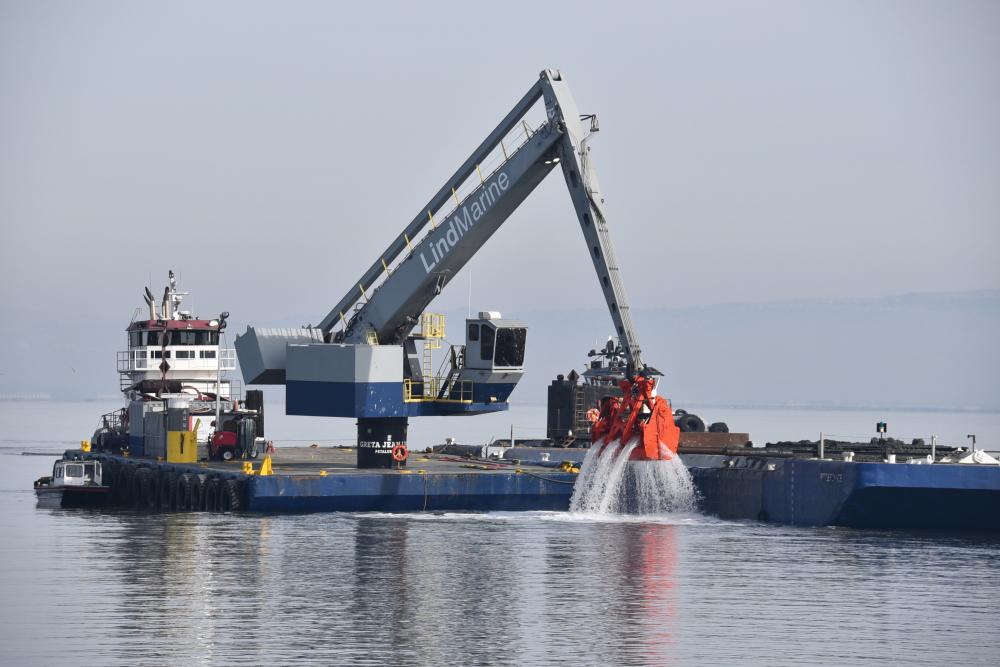
Dredged sediments are loaded to boat to Eden Landing. Credit: U.S. Army Corps of Engineers

In order to speed the growth of restoring Eden Landing tidal marshes in the face of sea level rise, the U.S. Army Corps of Engineers in late 2023 tried something new: piling sediments off the Eden Landing shore for waves and tides to bring to the nearby marshes and mudflats. This novel approach avoids the harm that could occur by directly placing sediments on marsh. It could be a new tool in the toolbox to help sustain Bay mudflats and marshlands by using natural processes to transport sediment and provide nourishment for long-term wetland restoration efforts. 

Lunch and Learn Science: Benefits for Project Monitoring and Decision-making: the Wetlands Regional Monitoring Program and the South Bay Salt Pond Restoration Project – Christina Toms, WRMP & Donna Ball, Restoration Project

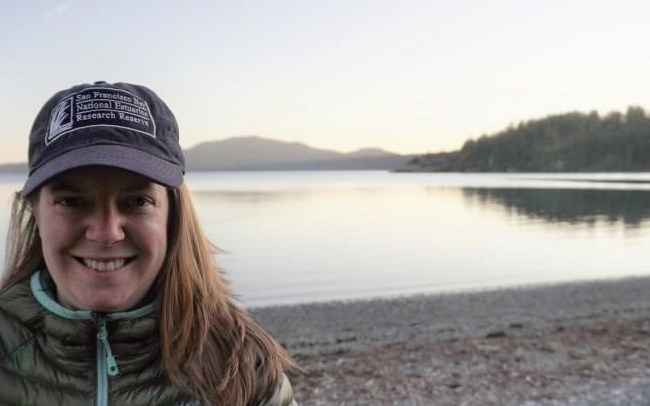
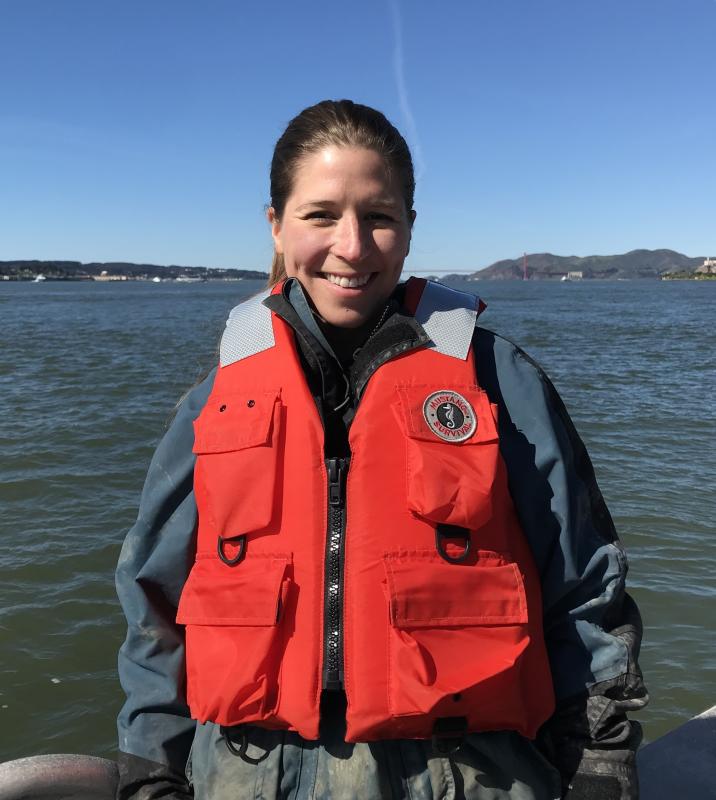
Christina Toms, Regional Water Quality Control Board and Chair, Wetland Regional Monitoring Program (WRMP) TAC

Learn how wetland managers across the Bay Area are collaborating to conduct monitoring at a regional scale to save on costs and gain greater understanding of the factors affecting wetland restoration success. Christina Toms of the Regional Water Quality Control Board on June 10, 2025, joined Restoration Project Lead Scientist Donna Ball for a joint presentation on this Bay-wide collaboration, called the Wetland Regional Monitoring Program (WRMP).