Phase 2 Eden Landing Final Environmental Impact Report
Announcement (Notice of Availability)
For ease of downloading, the Final Eden Landing Phase 2 EIR document has been posted in sections.

For ease of downloading, the Final Eden Landing Phase 2 EIR document has been posted in sections.
The United States Fish and Wildlife Service (USFWS) Recovery Plan for the western snowy plover lists 1.0 chicks fledged per male as a key recovery metric that each recovery unit (RU) must maintain for five years prior to delisting (USFWS 2007).
Introduction
See Attachments A, B, and C, uploaded separately.
Executive Summary excerpts:
Open-File Report 2026–1064
Ecosystems Mission Area—Land Management Research Program and Species Management Research Program
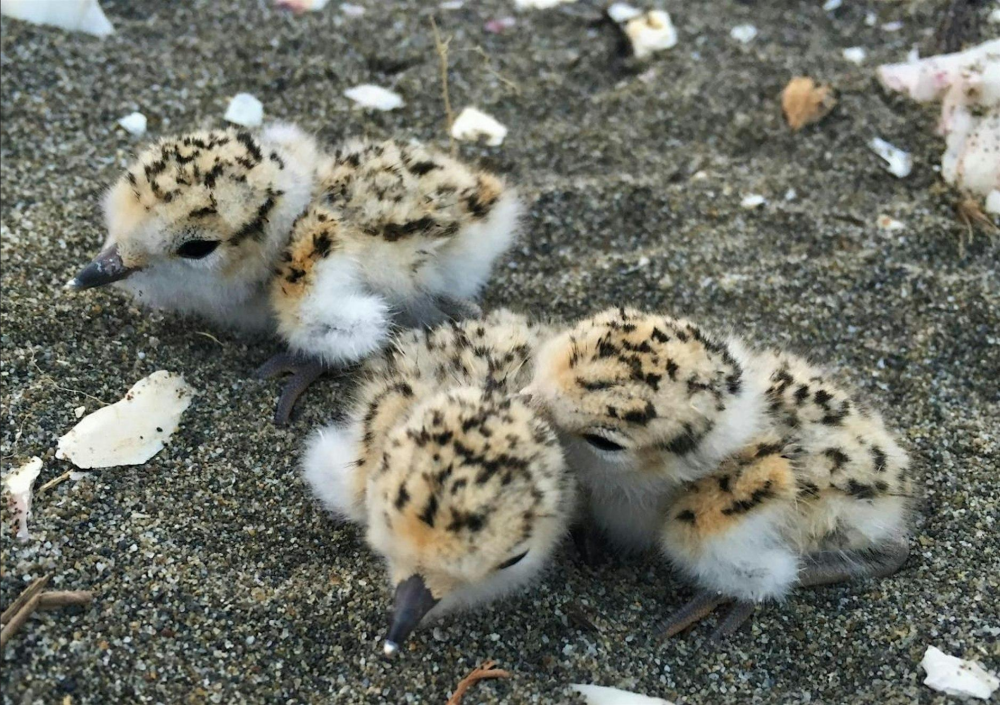
Go to this event page to join the waitlist for this popular event.
Become a Junior Ranger as you explore your local National Wildlife Refuge!
You can explore birds, baylands, and active restoration on a docent-led walk leading out to the Flyway Trail!
You'll discover wildlife from a 360 degree view at the Ravenswood Unit of the Don Edwards San Francisco Bay National Wildlife Refuge.
The South Bay Salt Pond Restoration Project is set to begin constructing 275 acres of tidal marsh habitat restoration, sea-level rise adaptation, public access, and carbon sequestration in a former salt pond adjacent to the City of Mountain View’s Shoreline Regional Park. The construction and monitoring are made possible with support from Google, which has called Mountain View home for over 25 years, as well as from other public grant programs.
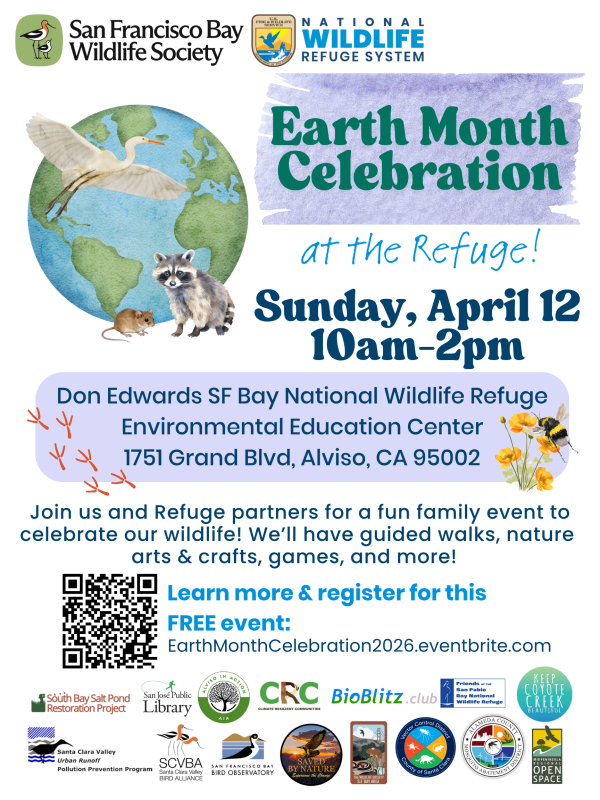
You can celebrate our Earth with the Don Edwards Refuge at this special event offering tours, arts & crafts, and nature activities!
The event hosted by the Refuge friends group, the San Francisco Bay Wildlife Society, is an open house - feel free to come and stay as you'd like!
Scheduled programs that day:
This report presents the results of fish surveys and water quality monitoring conducted throughout 2022, 2023,
This report summarizes waterbird and water quality monitoring efforts by the San Francisco Bay Bird
Observatory between September 2024 and May 2025 at 82 ponds within the South Bay Salt Pond
The San Francisco Bay Bird Observatory (SFBBO) is a nonprofit organization dedicated to the conservation of birds and their habitats through science and outreach.
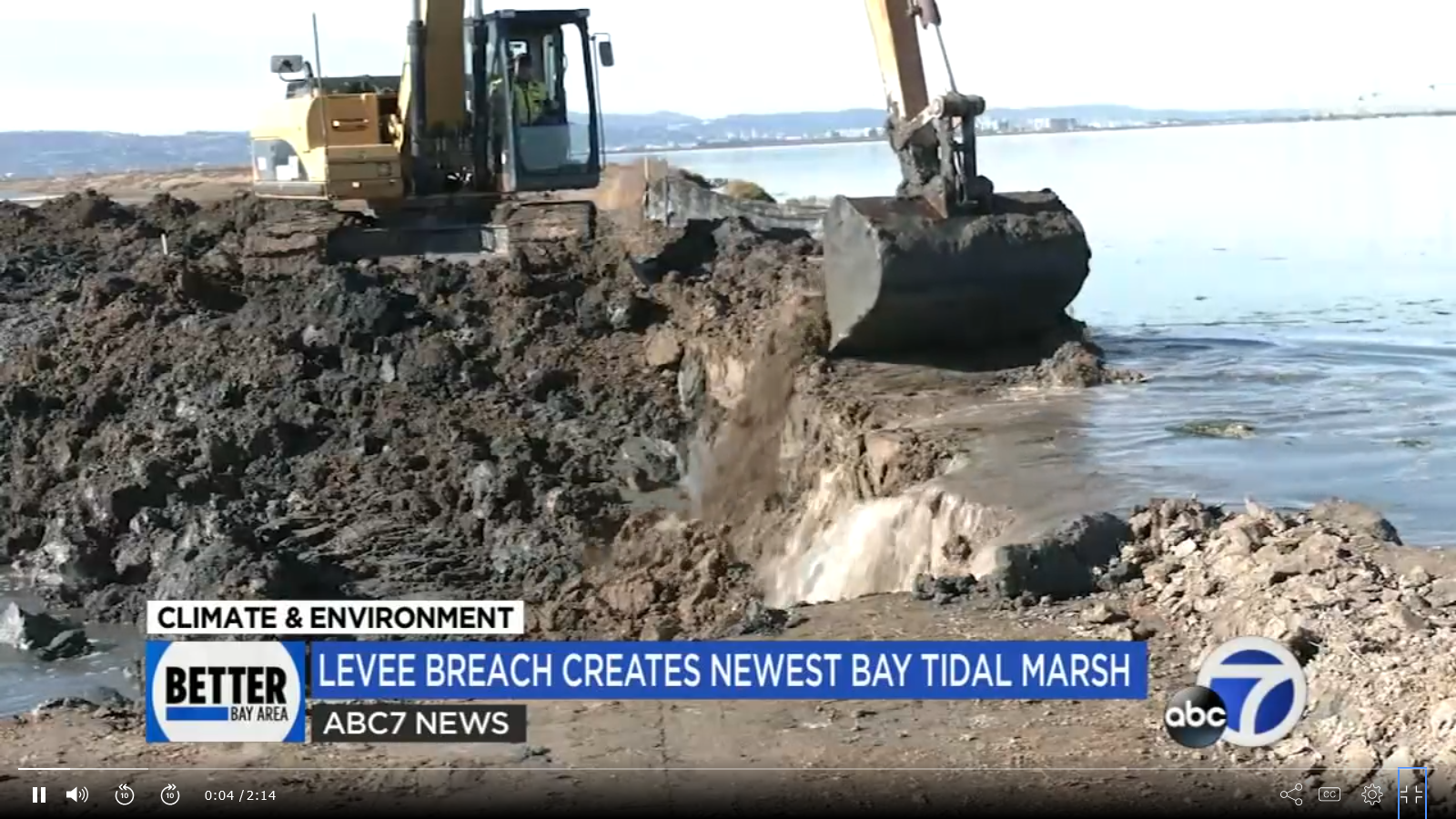
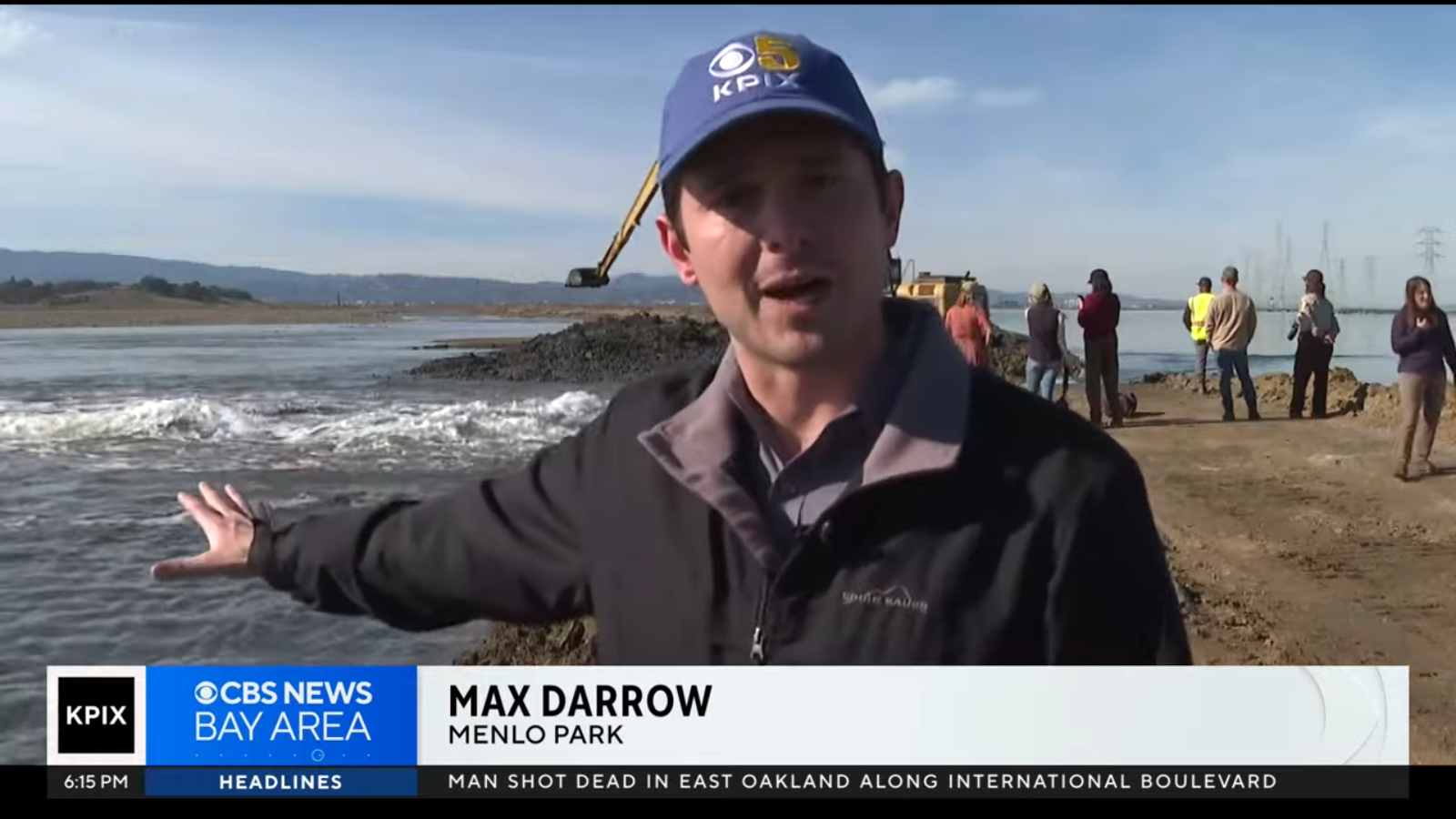
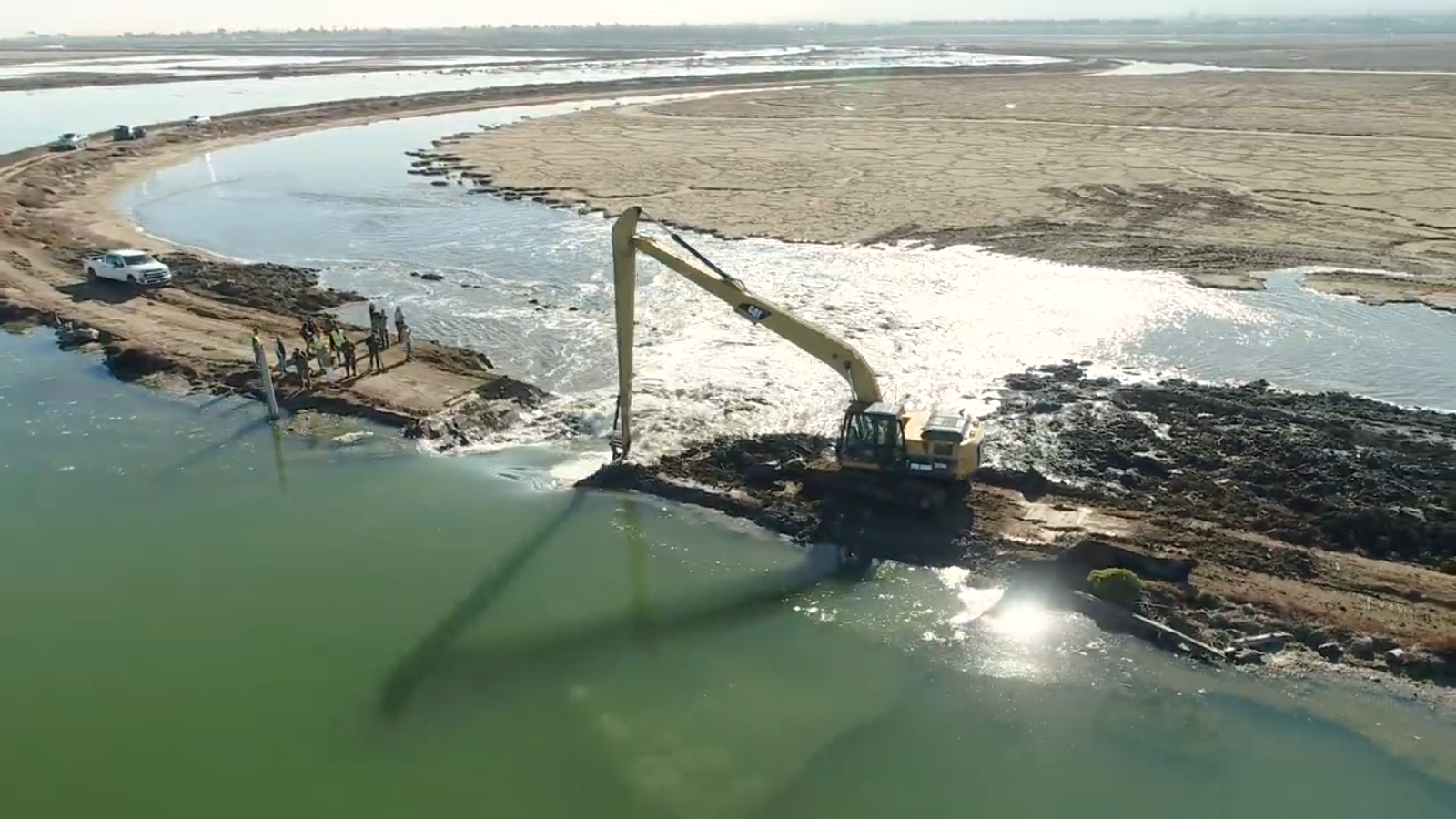
The South Bay Salt Pond Restoration Project partners, including the California State Coastal Conservancy, U.S. Fish and Wildlife Service, and Ducks Unlimited, achieved another major milestone for tidal marsh restoration this month along the shores of this South Bay community, breaching levees of 435-acre Mountain View Pond A2W in the Don Edwards San Francisco Bay National Wildlife Refuge to San Francisco Bay.
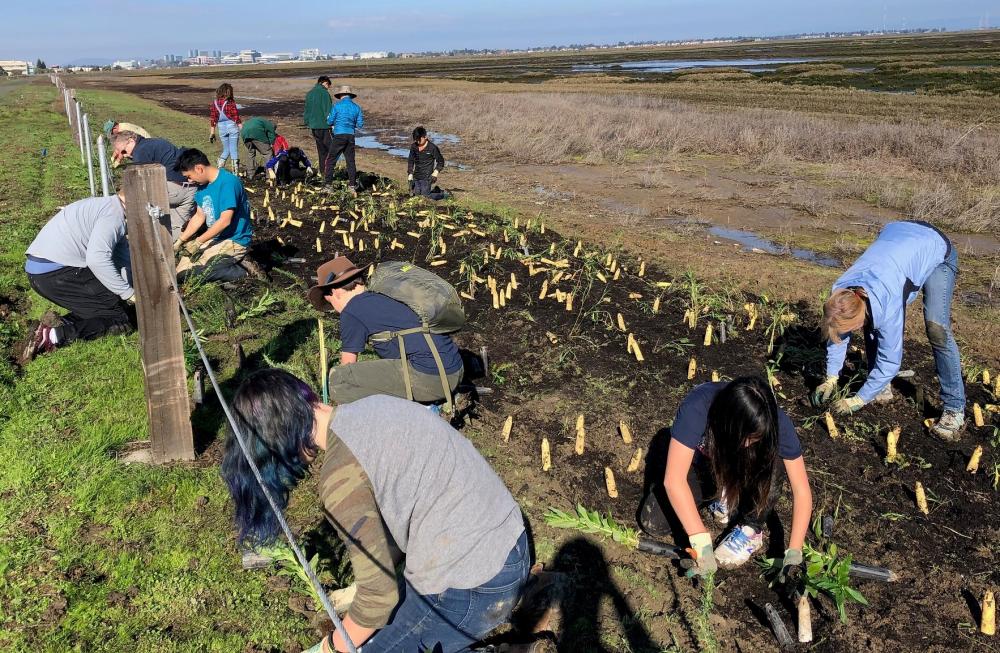
Happy Earth Month! You can join Save The Bay at Eden Landing Ecological Reserve to help restore former industrial salt ponds into healthy salt marsh habitat! This vision includes turning vulnerable fields of invasive mustard and thistle into resilient shoreline full of natives like California Poppy, Sticky Monkeyflower and Marsh Gumplant. They will be pulling the invasive species crowding their recently planted native species, and will potentially be spreading mulch around native plants as well.
USGS Western Ecological Research Center manages a decadal network of surface elevation table-marker horizon (SET-MH) plots throughout California, including San Francisco Bay.

You can come out to the Don Edwards Refuge in Alviso to observe and record high King Tides!
The King Tides event is being held concurrently in two different locations on the Refuge: Alviso and Ravenswood (Menlo Park). The same content will be covered. Visit the Refuge Eventbrite page if you want to attend the Ravenswood event instead.
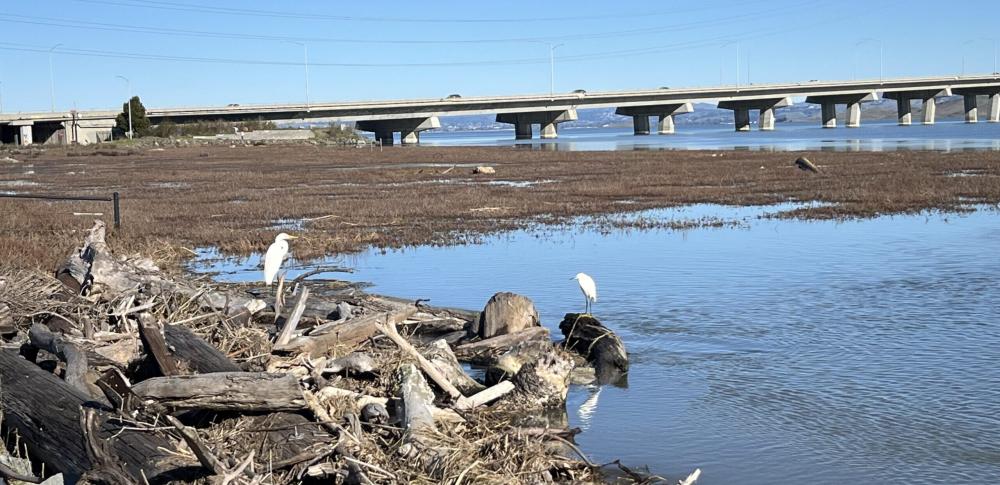
Amy Hutzel, Executive Officer of the State Coastal Conservancy and Restoration Project Executive Project Manager Dave Halsing are among the speakers at this Save The Bay free virtual panel discussion.
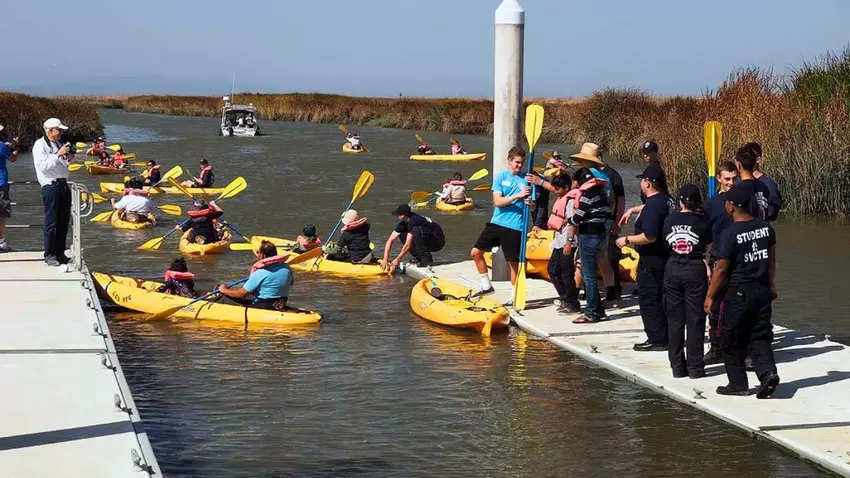
We will be tabling at this free event - you can find out more at https://parks.santaclaracounty.gov/day-bay-2025
The County of Santa Clara presents this festival along the South Bay shores of Alviso. The 2025 event will include a resource fair centered on environmental health, The day also features several family-friendly and recreation activities. Activities include:
Historically, San Francisco Bay supported the largest salt pond complex on the Pacific coast of North America, and these areas have been used by large numbers of migrating and wintering waterbirds for more than a century.
The resilience of salt marshes with low organic production depends on their effective capture and retention of mineral sediment from adjacent waters.
Restoration Project Introduction
Associated Press article and photos
Other versions of this story:
Version of this story with additional photos of Mountain View and Ravenswood ponds and habitat at the Albany, NY Times Union newspaper.
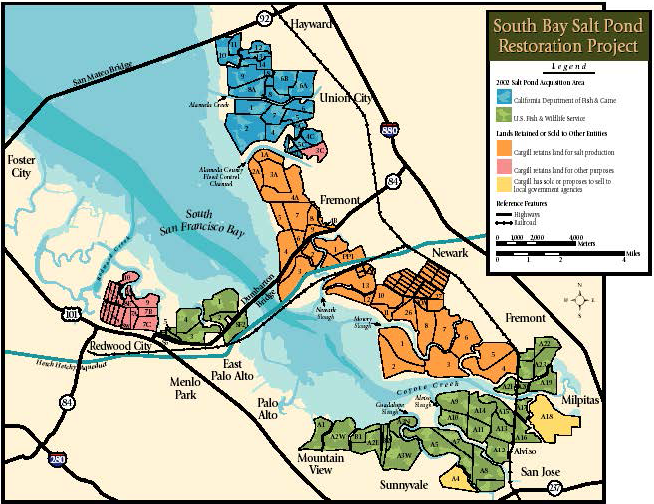
The South Bay Salt Pond Restoration Project (SBSPRP) is restoring over 15,000 acres of former salt evaporation ponds to a mix of tidal marsh and ponded wetland habitats.
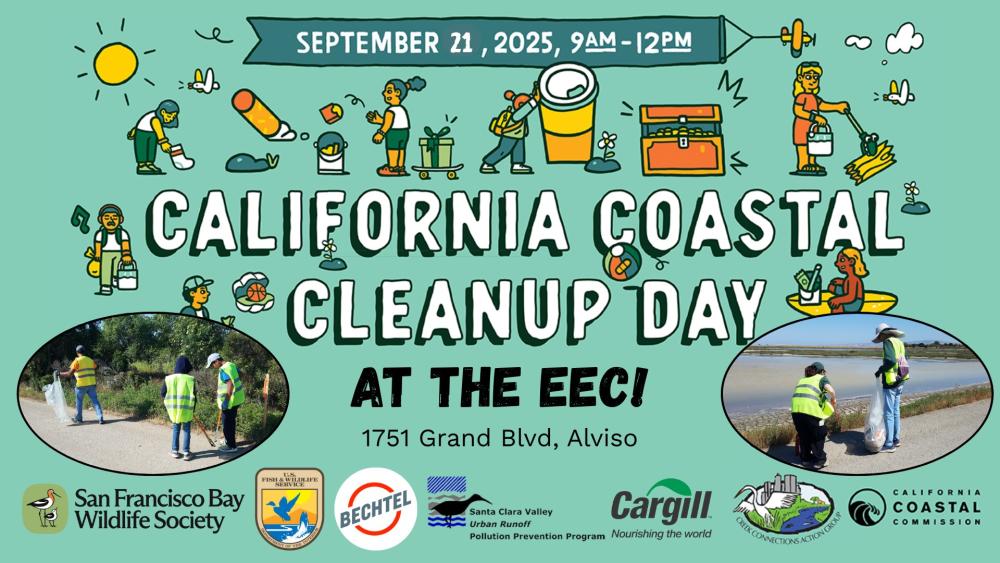
You can join the Don Edwards Refuge for Coastal Cleanup Day!
This year marks the 36th anniversary of Coastal Cleanup Day and is one of California’s largest volunteer events with sites all over the state participating.
Volunteers will help Refuge staff and partners pick up litter from the roads and trails around the Environmental Education Center (EEC) to help keep waterways and wetlands clean!
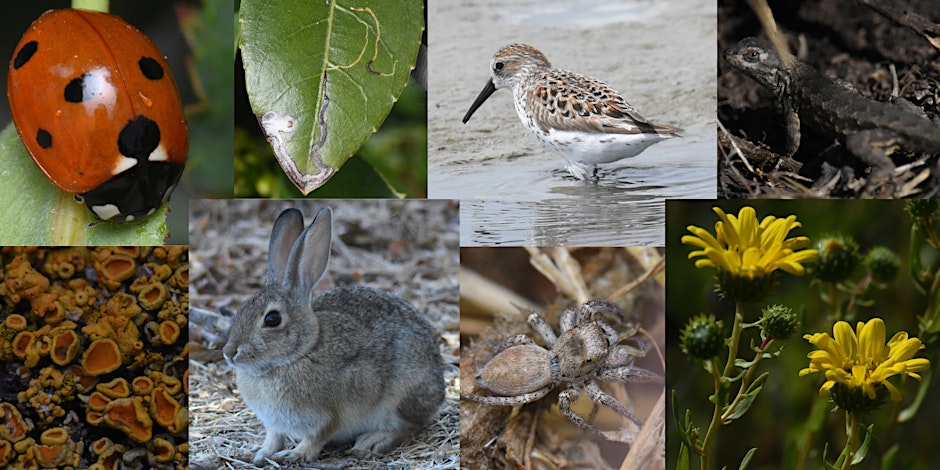
California Biodiversity Day is all about appreciating the many species that call California home. The San Francisco Bay Wildlife Society will be leading a BioBlitz to celebrate!
BioBlitzing involves exploring an area in search of plants, birds, insects, mammals, fungi, reptiles and any other organisms around. We’ll be snapping photos and posting them to iNaturalist so we have records of our amazing biodiversity, essential to understanding how things are changing or staying the same on the Don Edwards Refuge.
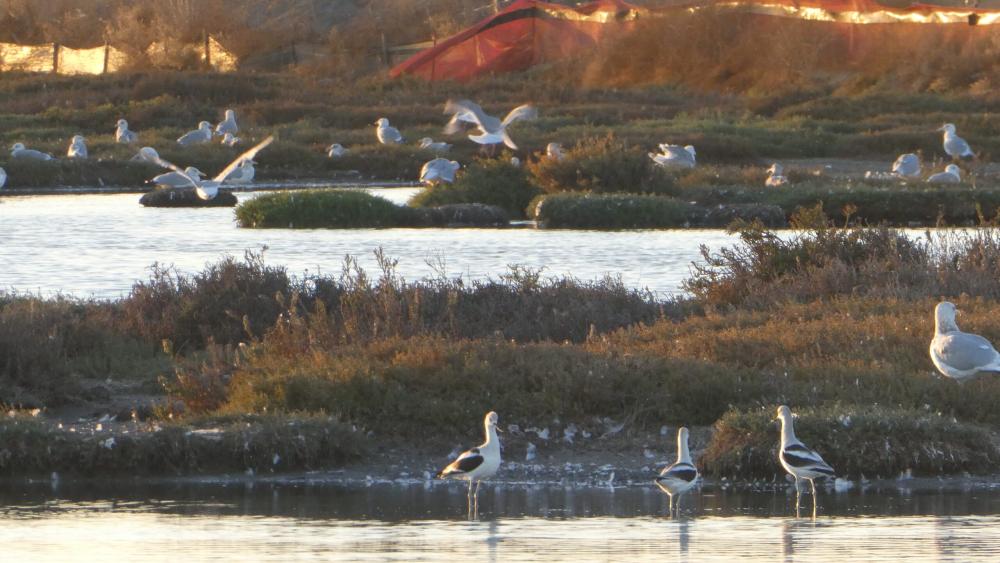
The Don Edwards SF Bay National Wildlife Refuge is a haven for shorebirds. In honor of World Shorebirds Day, join the San Francisco Bay Wildlife Society for a beginner- and family-friendly bird outing. We will discuss the wildlife refuge and provide an introduction to shorebirds and a few identification tips!
Other Considerations:
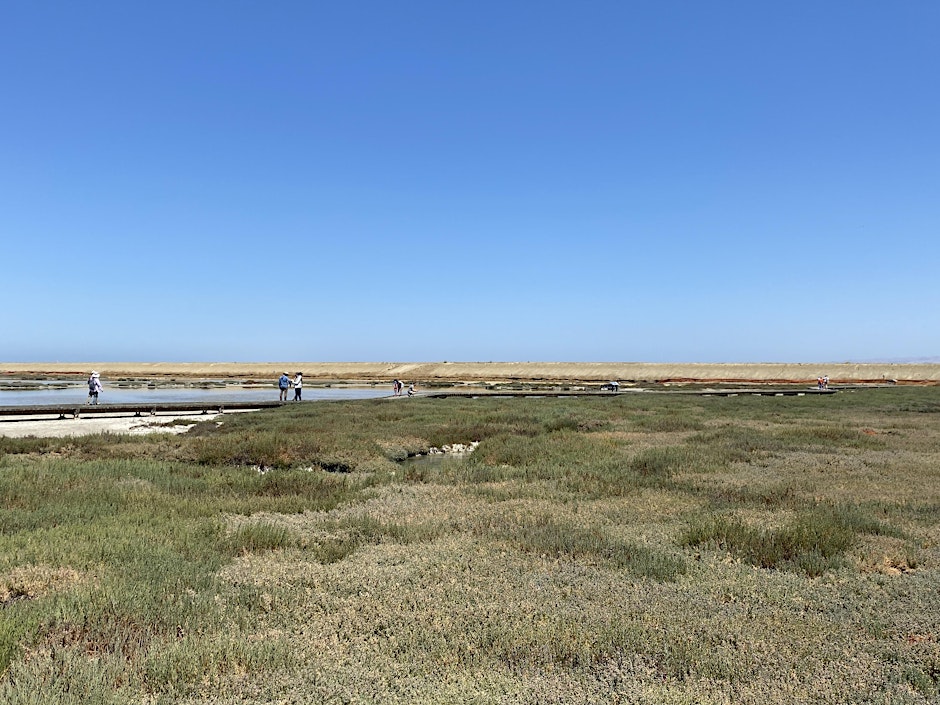
Did you know that wetlands naturally protect us against climate change?
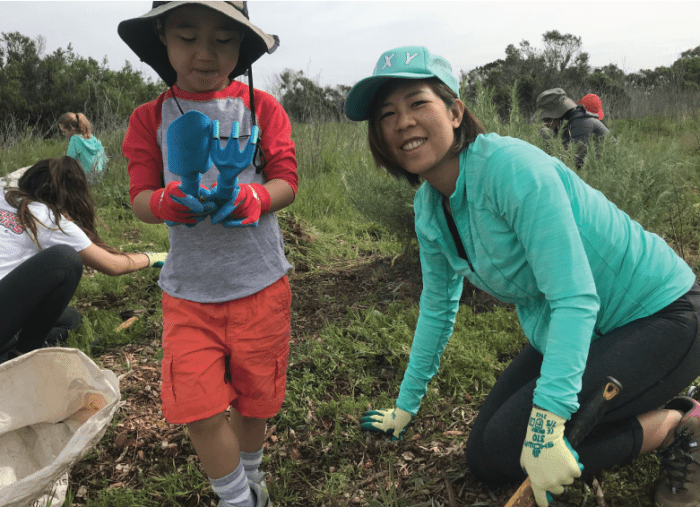
It is planting season! All the work Save The Bay has done throughout the year collecting seed and growing and caring for our precious native plants has led to this moment of opportunity provided by the seasonal rains. You can join them in putting these plants in the ground at their newest site, at the South Bay Salt Pond Restoration Project's recently breached Pond R4, adjacent to Menlo Park's Bedwell Bayfront Park.
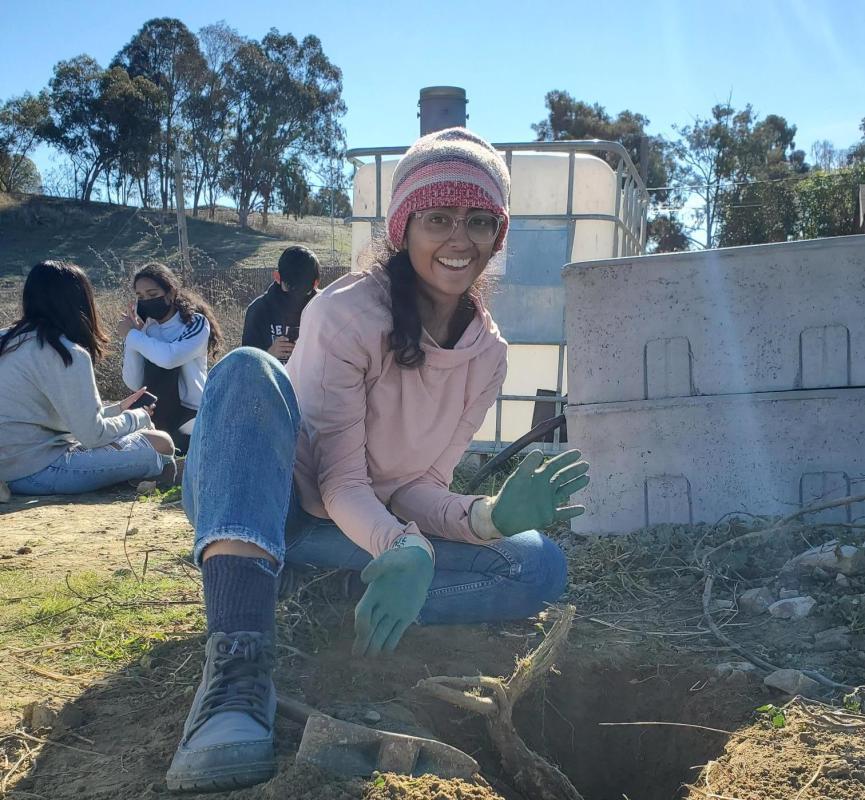
It is planting season! All the work Save The Bay has done throughout the year collecting seed and growing and caring for our precious native plants has led to this moment of opportunity provided by the seasonal rains. You can join them in putting these plants in the ground at their newest site, the Ravenswood All American Canal Levee, adjacent to Menlo Park's Bedwell Bayfront Park.
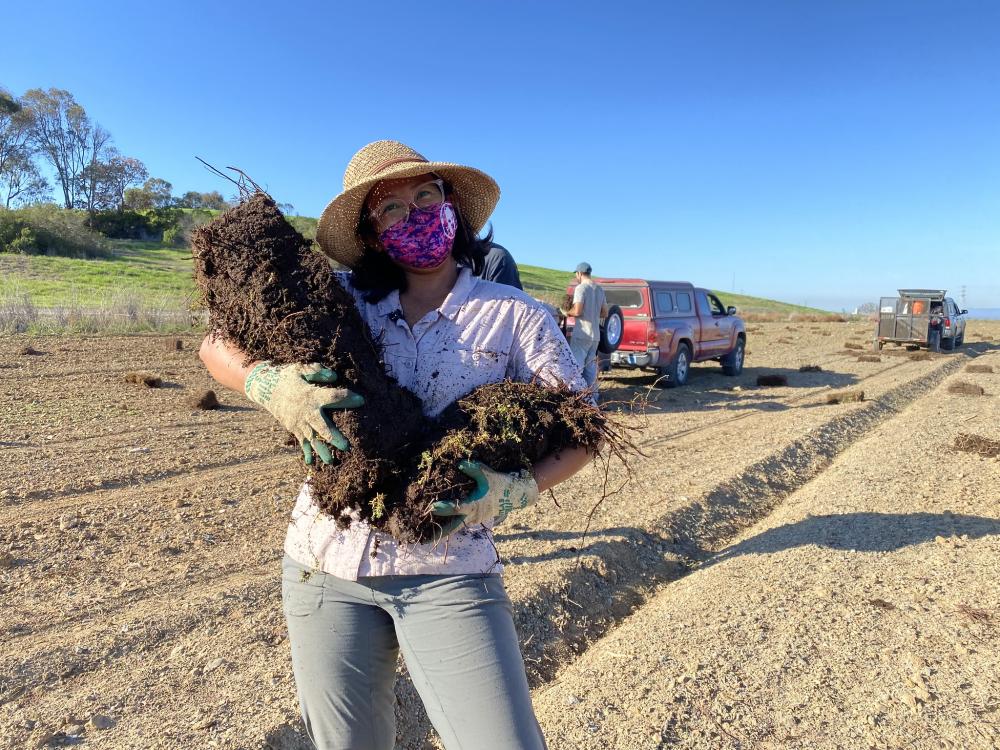
You can join Save The Bay at the Ravenswood Unit of Don Edwards National Wildlife Refuge, adjacent to Menlo Park's Bedwell Bayfront Park, to help pull up invasive plants and maintain their beautiful new native plant community planted last winter! Native plants are the backbone holding the habitat together at the upland transition zone slope (also called a horizontal levee) recently constructed by the South Bay Salt Pond Restoration Project at the All American Canal. Depending on the site needs of the day, volunteers may even be able to plant some new native plant sod!
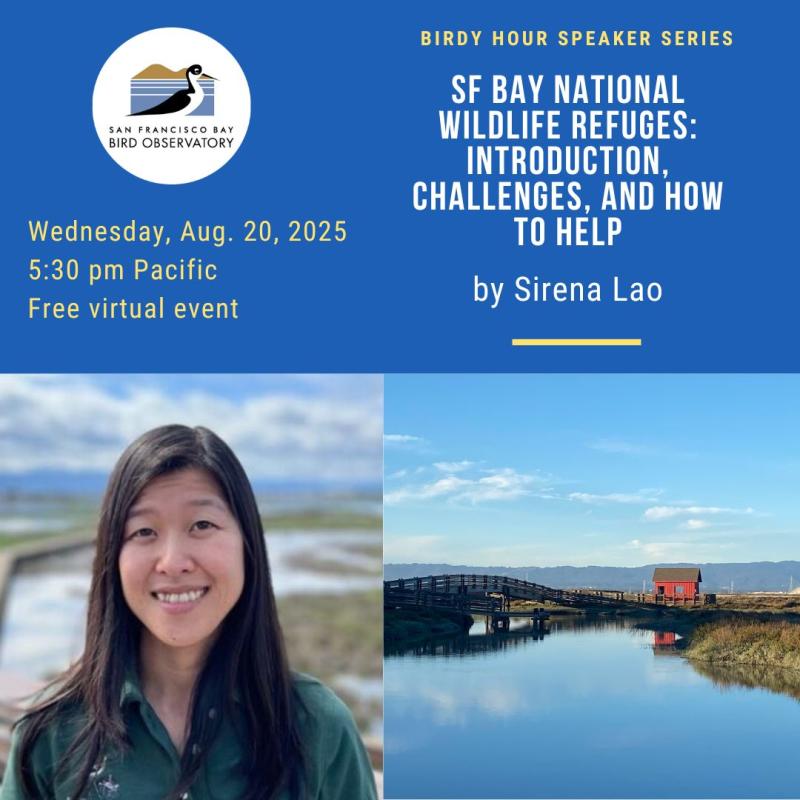
The U.S. Fish and Wildlife Service's San Francisco Bay National Wildlife Refuge Complex is made up of seven national wildlife refuges, protecting tens of thousands of acres of habitat for birds, endangered species, and other wildlife. Learn about these incredible places, with a focus on our largest, the Don Edwards San Francisco Bay National Wildlife Refuge in the South Bay, at this free San Francisco Bay Bird Observatory virtual presentation.
Nature-based solutions are receiving increasing attention as a cost-effective climate adaptation strategy. Horizontal levees are nature-based adaptation solutions that include a sloping wetland habitat buffer fronting a levee.
The South Bay Salt Pond Restoration Project (Project) 2024 Annual Self-monitoring Report on Water Quality has been prepared to provide an overview of the Projects effects on water quality and habitat suitability of managed ponds due to management and restoration activities.
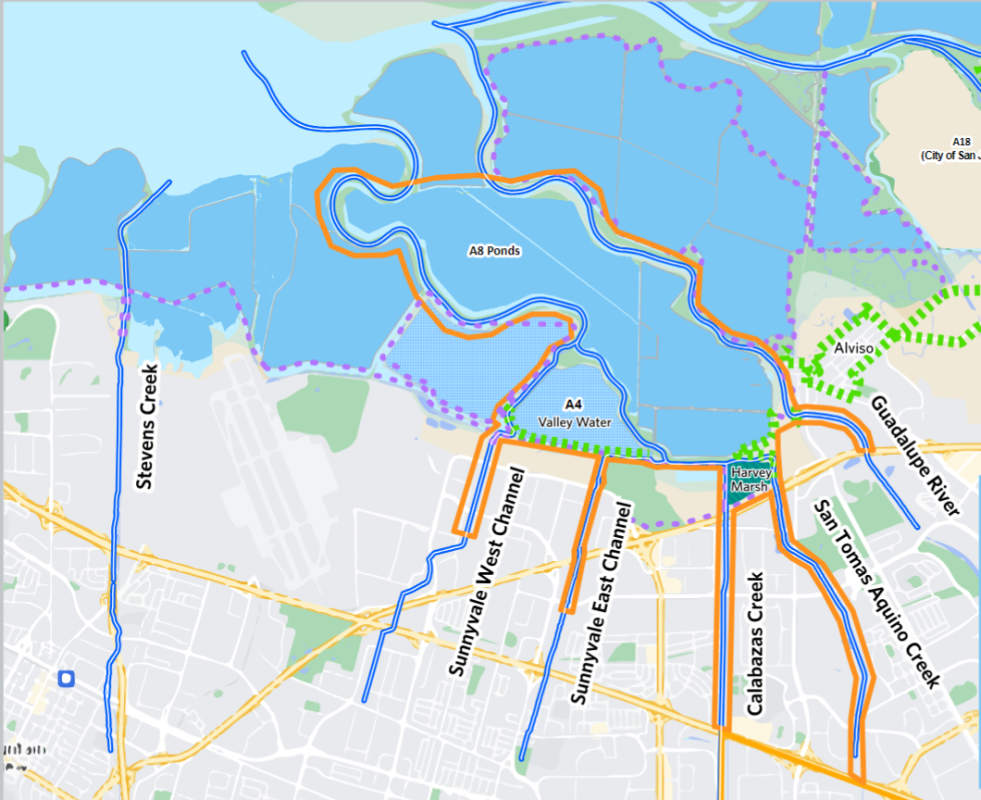
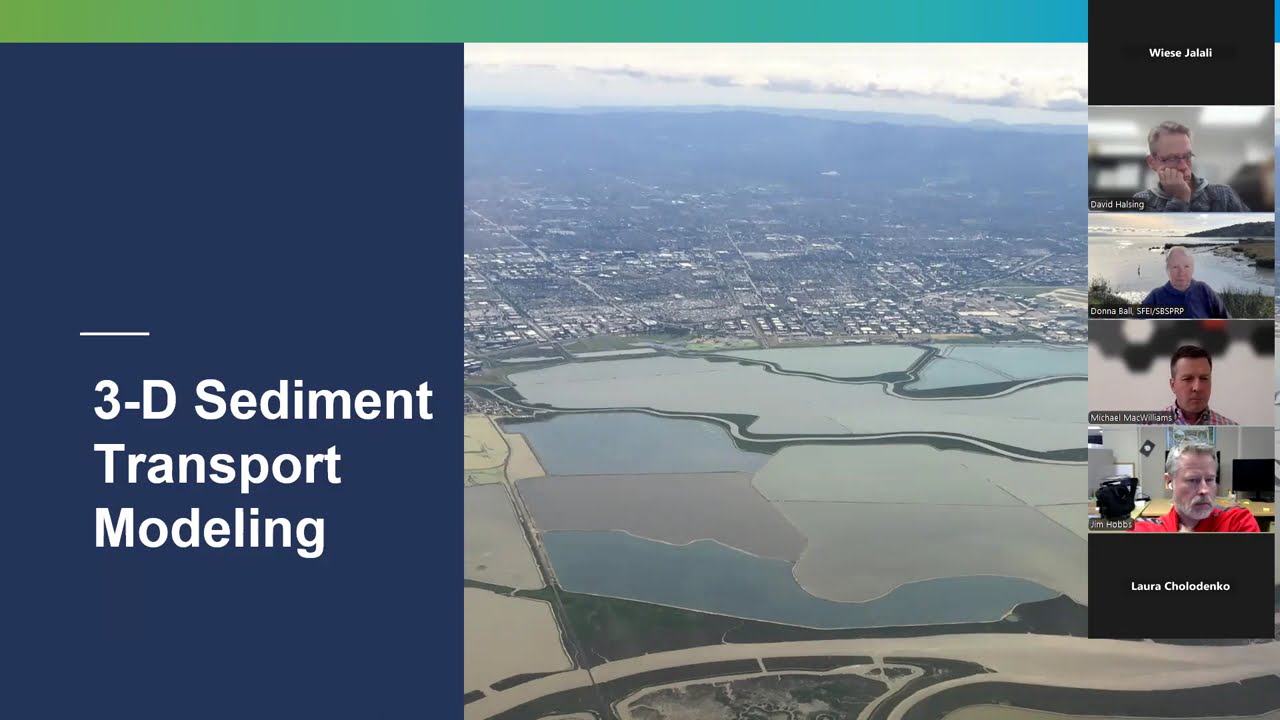
Learn how creek flows and sediments can benefit restoring tidal marshes from Michael MacWilliams of FlowWest, who has modeled hydrodynamics where the Calabazas and San Tomas Aquino creeks adjoin the salt ponds in northern San Jose. His work informs Valley Water’s project to connect those creeks with an Alviso pond in the Restoration Project.
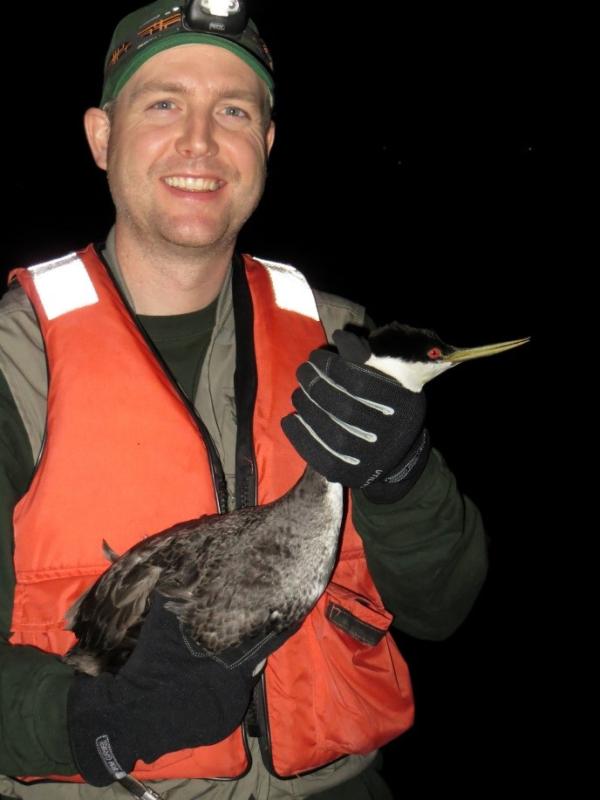
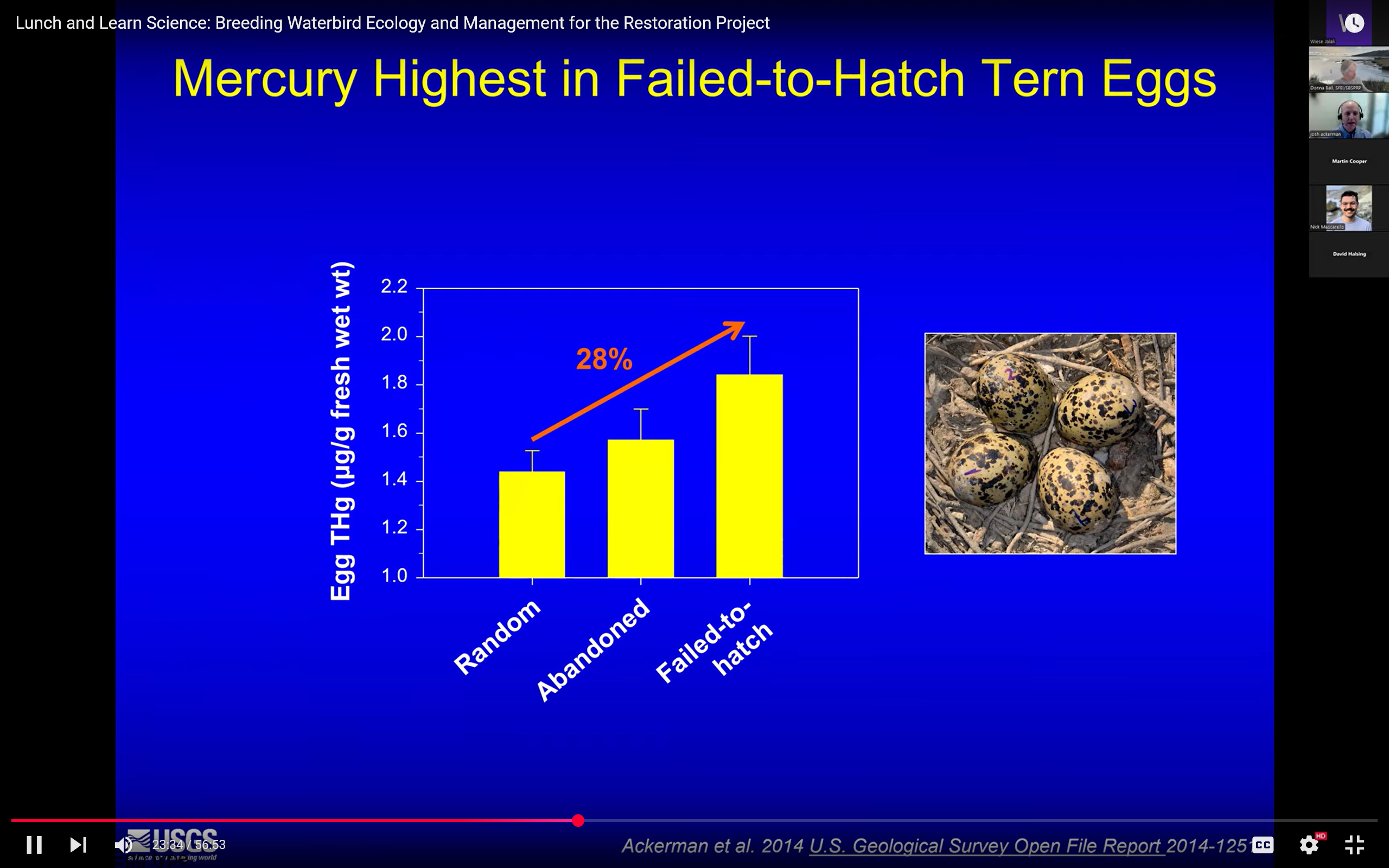
Learn about San Francisco Bay breeding waterbirds from Dr. Josh Ackerman of USGS, who has looked at South Bay avocets, stilts and terns to understand how their abundance has changed since the inception more than 20 years ago of the Restoration Project. He has also examined the effect on birds of predators and the utility of various management actions to maintain and expand waterbird numbers as former industrial salt ponds are restored to tidal wetlands.
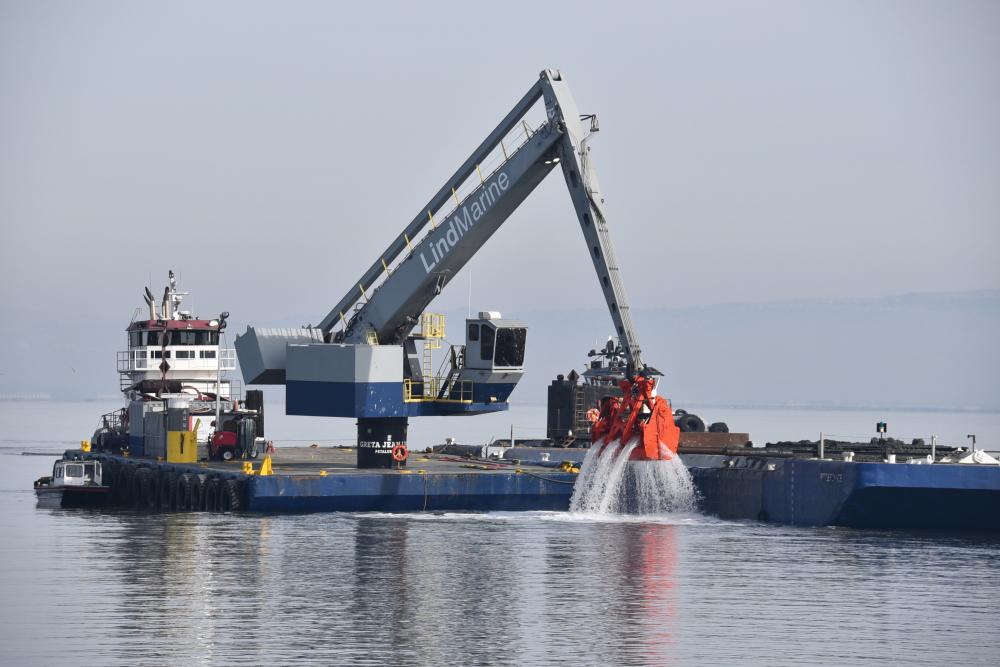
In order to speed the growth of restoring Eden Landing tidal marshes in the face of sea level rise, the U.S. Army Corps of Engineers in late 2023 tried something new: piling sediments off the Eden Landing shore for waves and tides to bring to the nearby marshes and mudflats. This novel approach avoids the harm that could occur by directly placing sediments on marsh. It could be a new tool in the toolbox to help sustain Bay mudflats and marshlands by using natural processes to transport sediment and provide nourishment for long-term wetland restoration efforts.
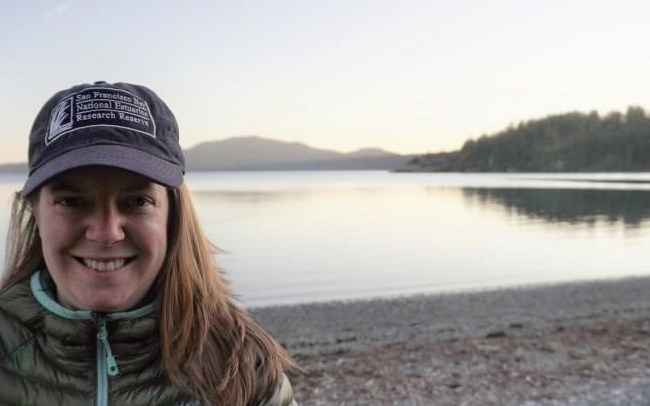
Learn how wetland managers across the Bay Area are collaborating to conduct monitoring at a regional scale to save on costs and gain greater understanding of the factors affecting wetland restoration success. Christina Toms of the Regional Water Quality Control Board on June 10, 2025, joined Restoration Project Lead Scientist Donna Ball for a joint presentation on this Bay-wide collaboration, called the Wetland Regional Monitoring Program (WRMP).
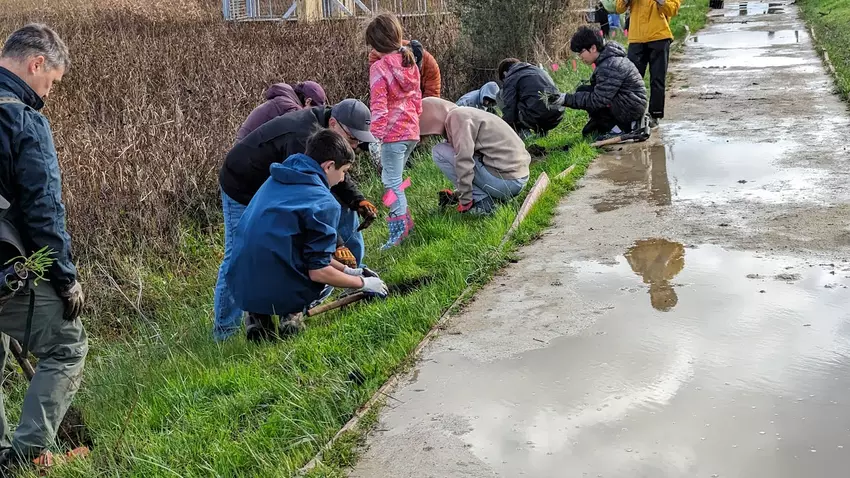
You are invited to join Santa Clara County Parks Natural Resource Management team, in partnership with San Francisco Bay Bird Observatory, in their efforts to restore the coastal habitat of Alviso Marina County Park.
Volunteers will help with removing invasive plants, planting native plants, spreading mulch, and more! SFBBO and County Parks staff will teach volunteers about tidal marsh ecology and the natural history of the San Francisco Bay.
Volunteers will assist in the removal of invasive plants and the spreading of mulch in preparation for the planting of native plants.
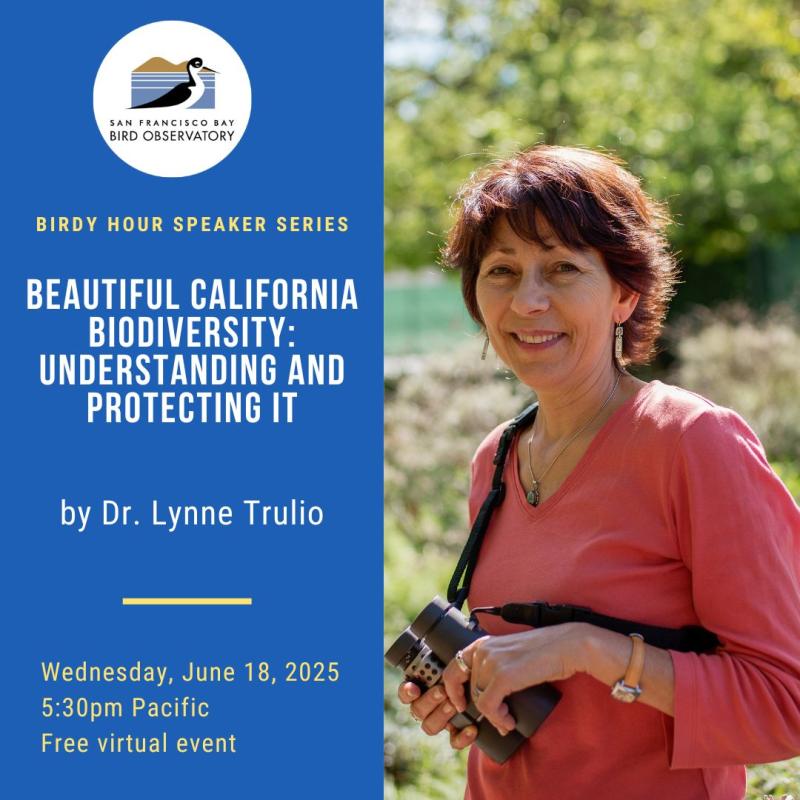
We share the Earth with millions of other species. But, our planet is experiencing a biodiversity crisis in which a significant portion of these species are in danger of extinction in coming decades. While the Earth has undergone mass extinctions in the past—such as when a meteor strike doomed the dinosaurs—the current mass extinction event is caused by humans. This loss of species is a tragedy for the Earth’s ecology and non-human inhabitants, but will also have significant impacts on human societies.
You are invited to join Santa Clara County Parks Natural Resource Management team, in partnership with San Francisco Bay Bird Observatory, in their efforts to restore the coastal habitat of Alviso Marina County Park.
Volunteers will assist in the removal of invasive plants and the spreading of mulch in preparation for the planting of native plants.
Youth and families are encouraged to participate.
Please bring sturdy gloves, closed toe shoes (boots if possible), and your can-do attitudes!
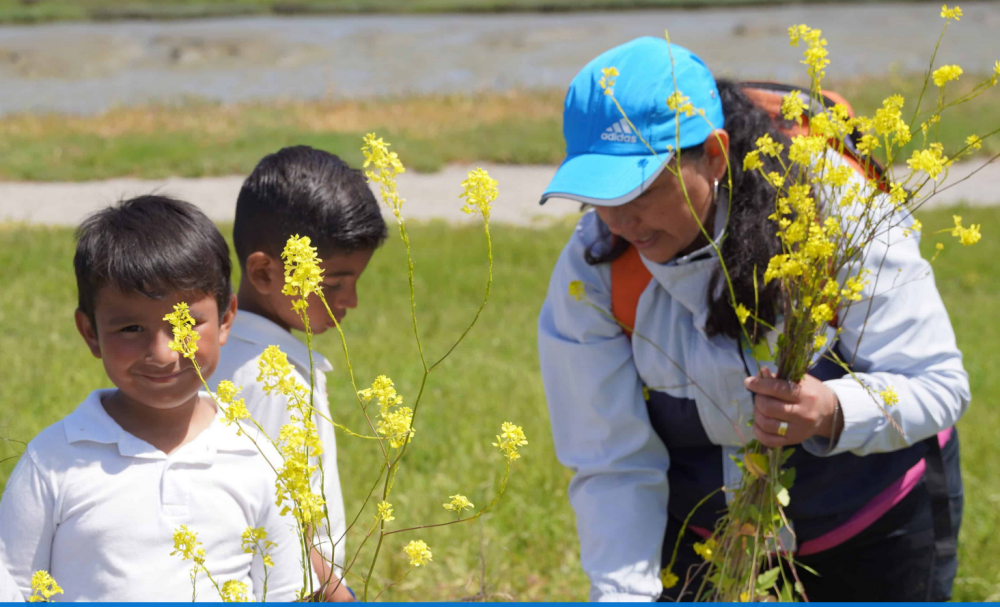
You can come join Save The Bay at the California Department of Fish and Wildlife's Eden Landing Ecological Reserve to help restore former industrial salt ponds into healthy salt marsh habitat! This vision includes turning vulnerable fields of invasive mustard and thistle into resilient shoreline full of natives like California poppy, sticky monkeyflower and marsh gumplant. Restoration leaders hope you will enjoy giving their baby native plants the support they need to transform the land!
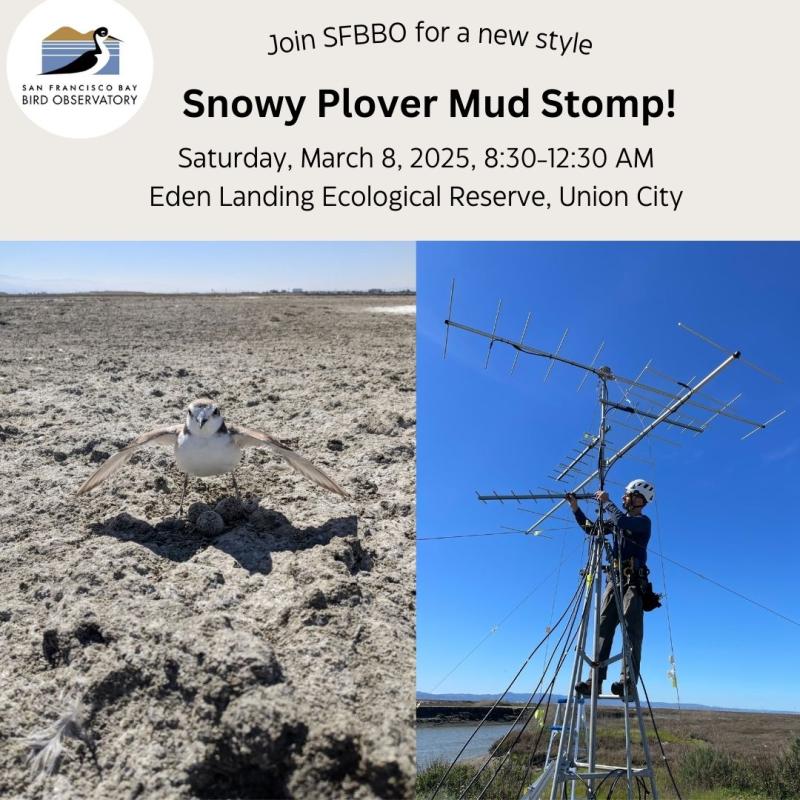
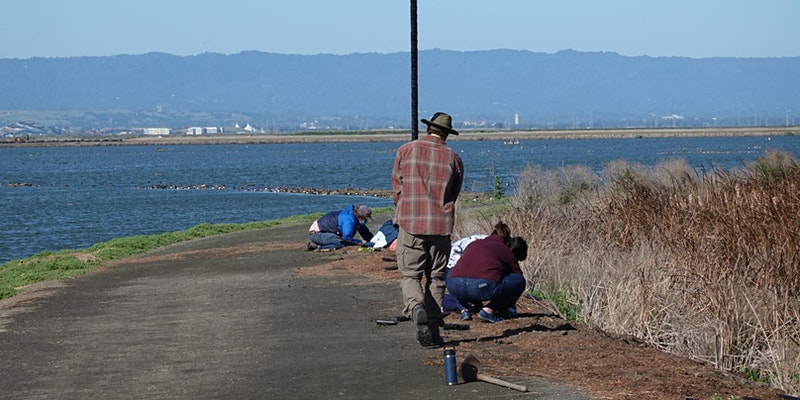
You can join the San Francisco Bay Bird Observatory (SFBBO) to help set up the first national tagging study for threatened western snowy plovers! Volunteers will help do precision work in wet and muddy areas, carrying rebar and other equipment to set up electronic grids across two ponds at the Eden Landing Ecological Reserve in Hayward.
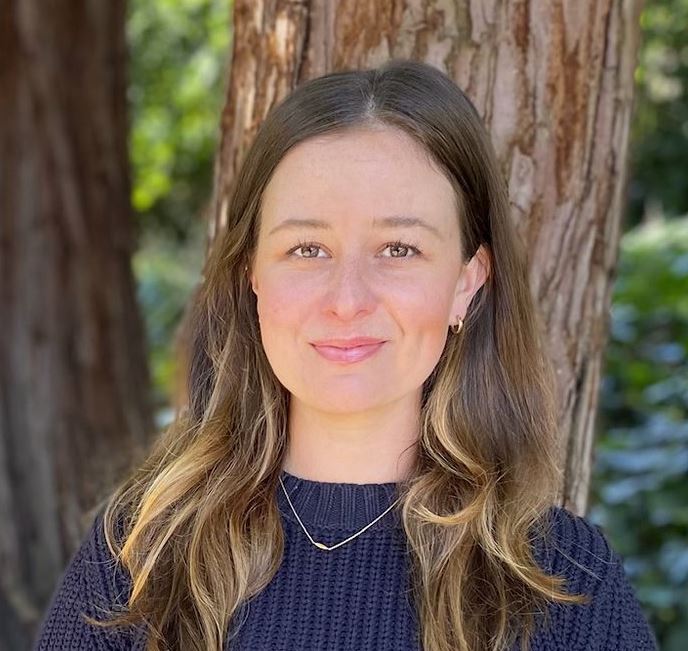
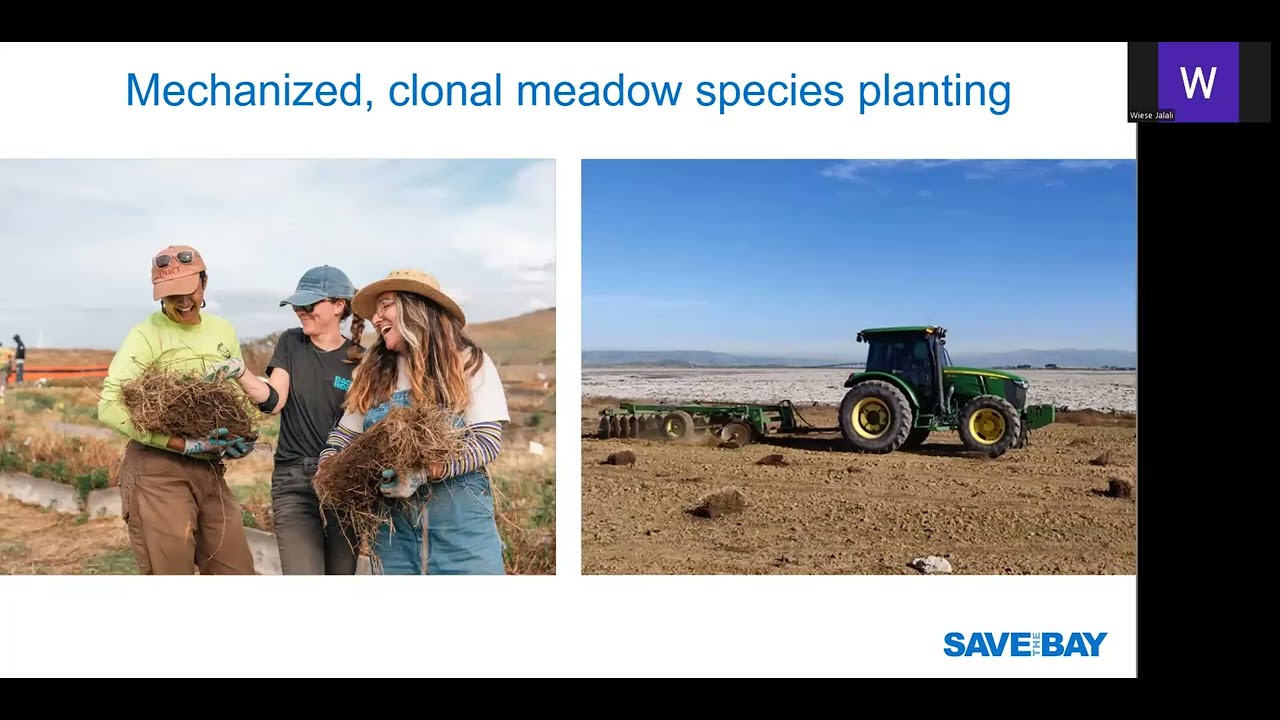
Learn about Save The Bay’s cost-saving methods to revegetate and restore wildlife habitat at the Restoration Project's recently completed Ravenswood Ponds restoration site in Menlo Park. Jessie Olson, Habitat Restoration Director at Save The Bay, discusses the techniques the non-profit has developed that can be scaled up while reducing costs and labor. Save The Bay planted on our newly constructed habitat transition zone slopes (also called “horizontal levees”) bordering restoring tidal marsh at the U.S. Fish and Wildlife Service's Don Edwards San Francisco Bay National Wildlife Refuge.
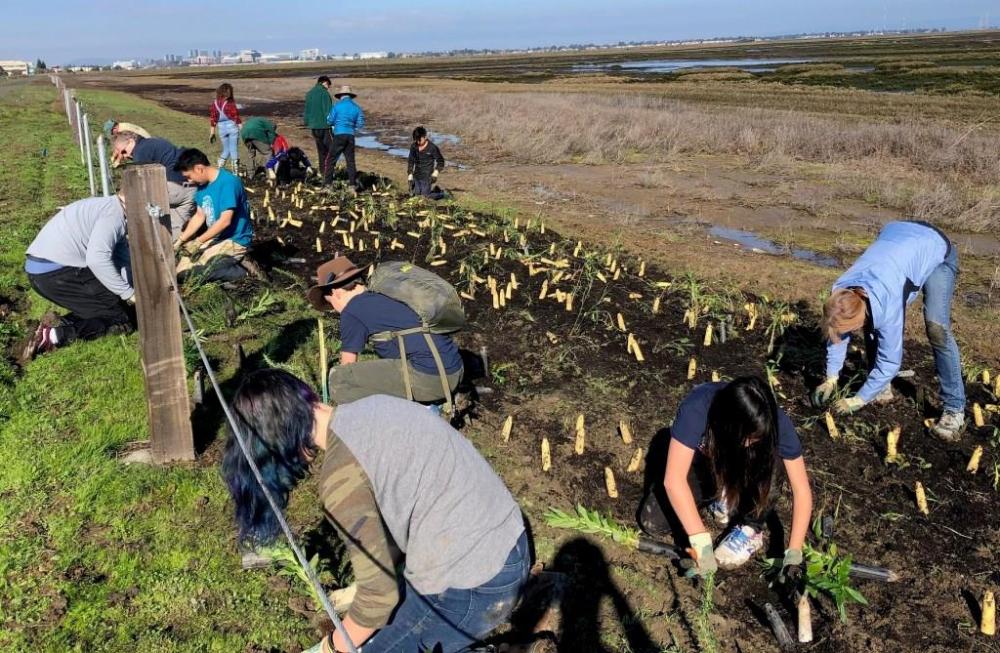
You can join Save The Bay at the California Department of Fish and Wildlife Eden Landing Ecological Reserve to help restore former industrial salt ponds into healthy salt marsh habitat!
This vision includes turning vulnerable fields of invasive mustard and thistle into resilient shoreline full of natives like California poppy, sticky monkeyflower and marsh gumplant. Save The Bay and the Restoration Project hope you will enjoy giving the baby native plants the support they need to transform the land!
Suggested citation and website: Foxgrover, A.C., Fregoso, T.A., and Jaffe, B.E., 2024, Historical bathymetry and bathymetric change within San Francisco Bay, California: 1855 to 2005: U.S.
FINAL REPORT
Suggested citation: Burns, G. 2022. South Bay Salt Pond Waterbird Surveys: September – May 2022. Report prepared for the South Bay Salt Pond Restoration Project.
REVISED FINAL REPORT
Suggested citation: Van Schmidt, Nathan D. 2023. South Bay Salt Pond Waterbird Surveys: September 2022–May 2023. Report prepared for the South Bay Salt Pond Restoration Project.
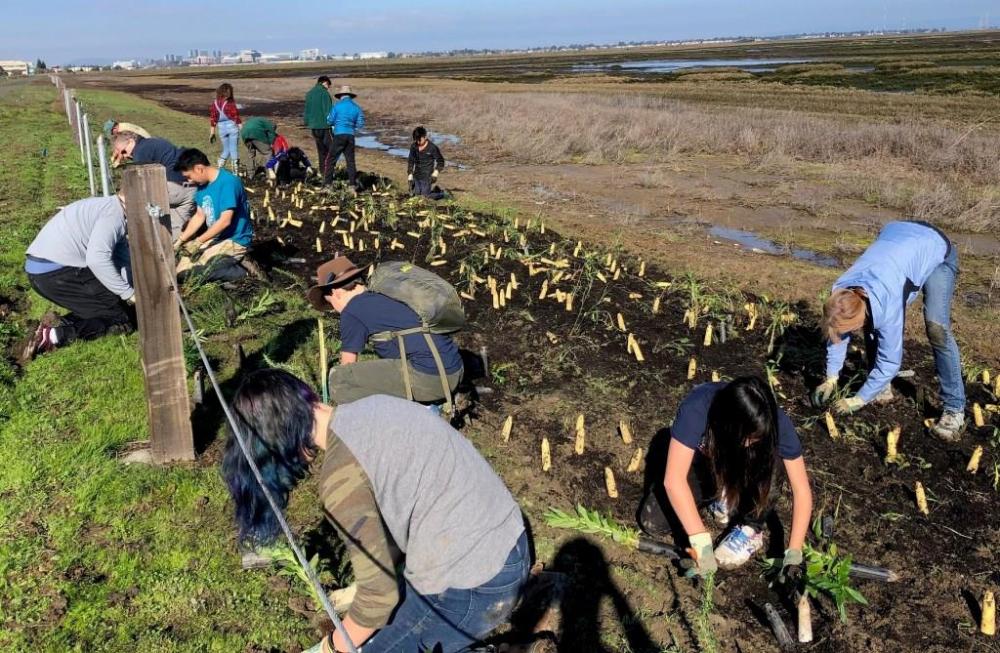
You can join Save The Bay to help pull up invasive plants and maintain beautiful new native plants just planted over the winter! The organization planted a recently completed habitat slope as part of restoration and habitat enhancement at the Don Edwards National Wildlife Refuge Ravenswood Ponds near Menlo Park's Bedwell Bayfront Park.
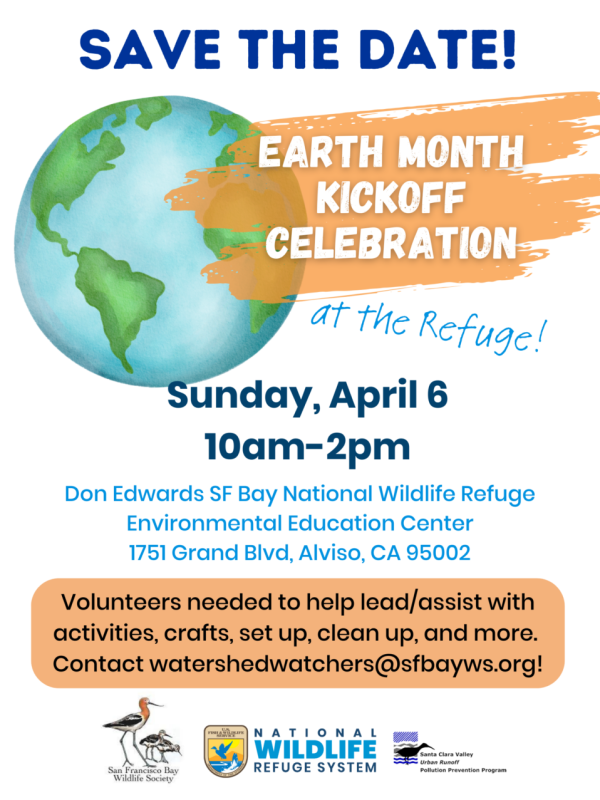
Save the date for the Earth Month Kickoff at the Don Edwards San Francisco Bay National Wildlife Refuge's Environmental Education Center! We’ll have crafts, games, guided tours, and more in celebration of our wildlife and the environment they depend on.
Those interested in volunteering to help with activities, crafts, set up, clean up, and more can contact the San Francisco Bay Wildlife Society at [email protected].
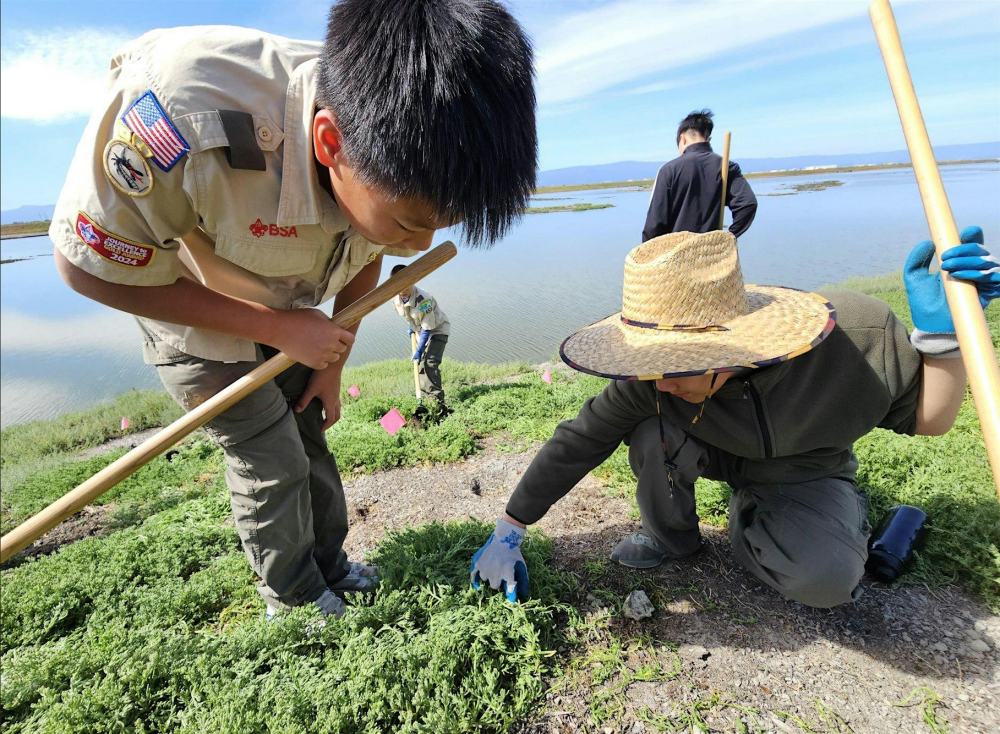
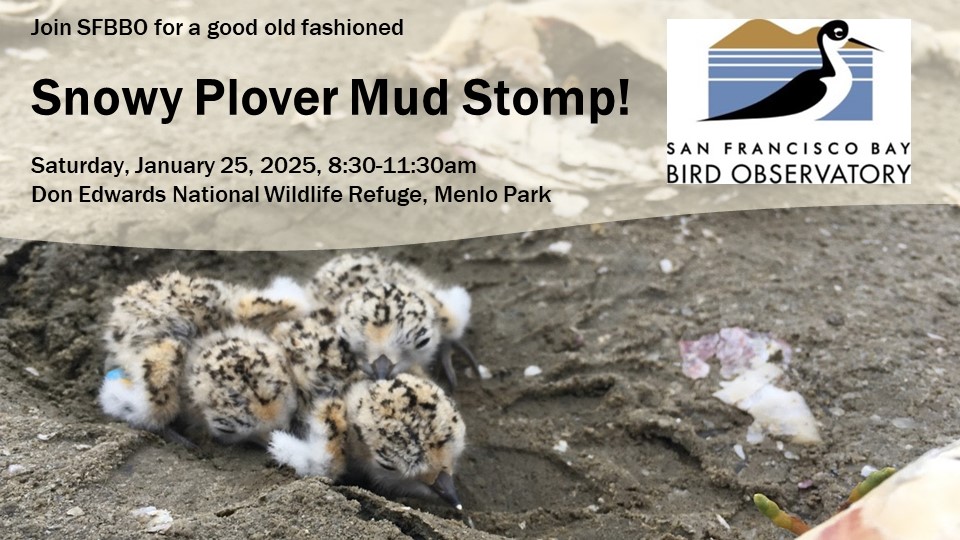
Help improve the nesting success of threatened western snowy plovers at a Ravenswood habitat restoration event where you get to stomp around in the mud and throw around shells!
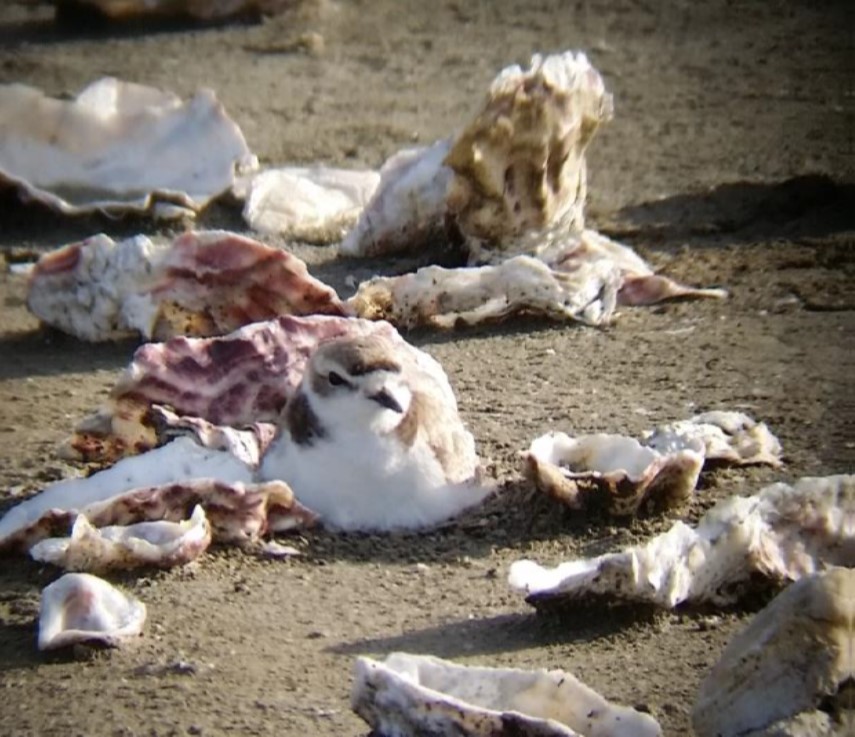
Volunteers can join San Francisco Bay Bird Observatory (SFBBO) staff at the U.S. Fish and Wildlife Service Don Edwards Refuge in Menlo Park to carry and spread oyster shells for the benefit of plovers. These birds nest in salt flats, where their eggs and chicks can get eaten by predators. The oyster shells help camouflage nests, eggs, and chicks.
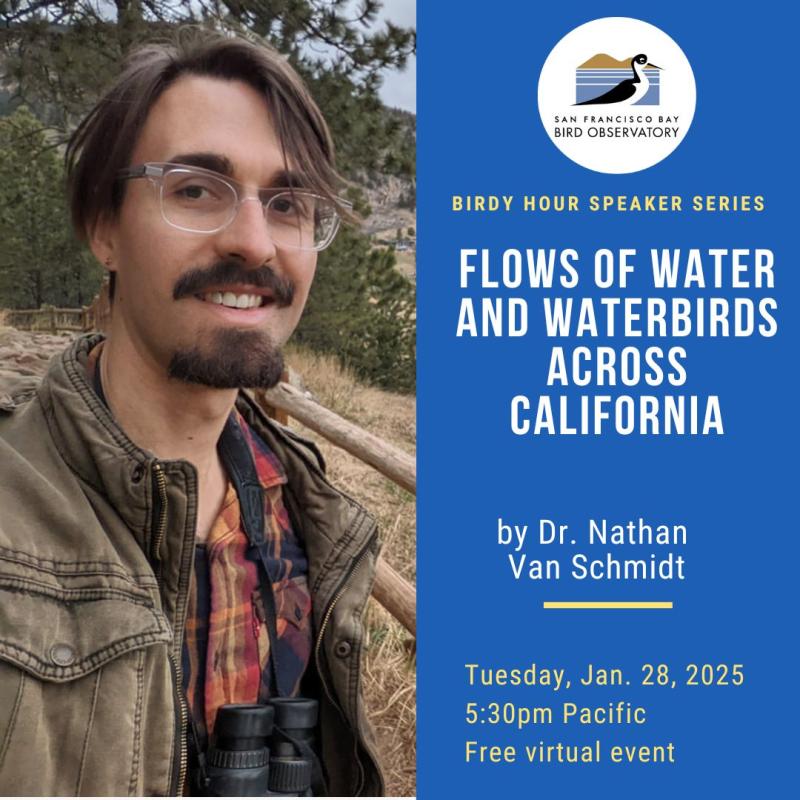
At this free virtual talk, Dr. Nathan Van Schmidt, Science Director at the San Francisco Bay Bird Observatory, will discuss the challenges of bird conservation, after birds displaced by development and human presence on beaches and former Central Valley wetlands have come to depend on man-made ponds in the South Bay Salt Pond Restoration Project lands.
Find out more and register here.

We have canceled the April Lunch and Learn. Please join us for the May presentation by Save The Bay on its work vegetating and restoring upland transition zones (also called horizontal levees)!
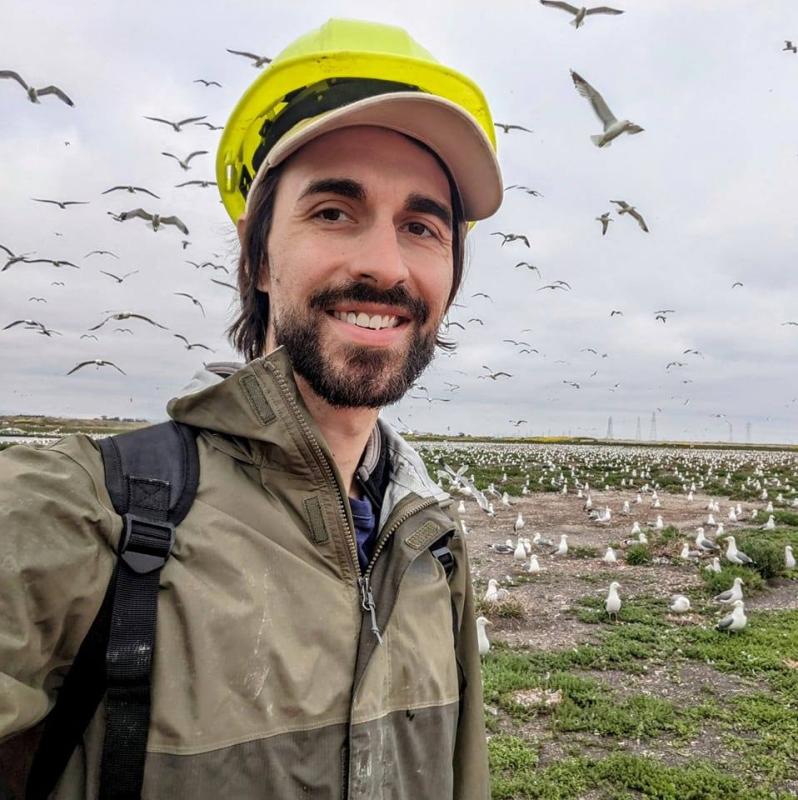
Scientist Nathan Van Schmidt of the San Francisco Bay Bird Observatory (SFBBO) talks about his research on the challenges facing waterbirds of the Pacific Flyway within the Restoration Project.
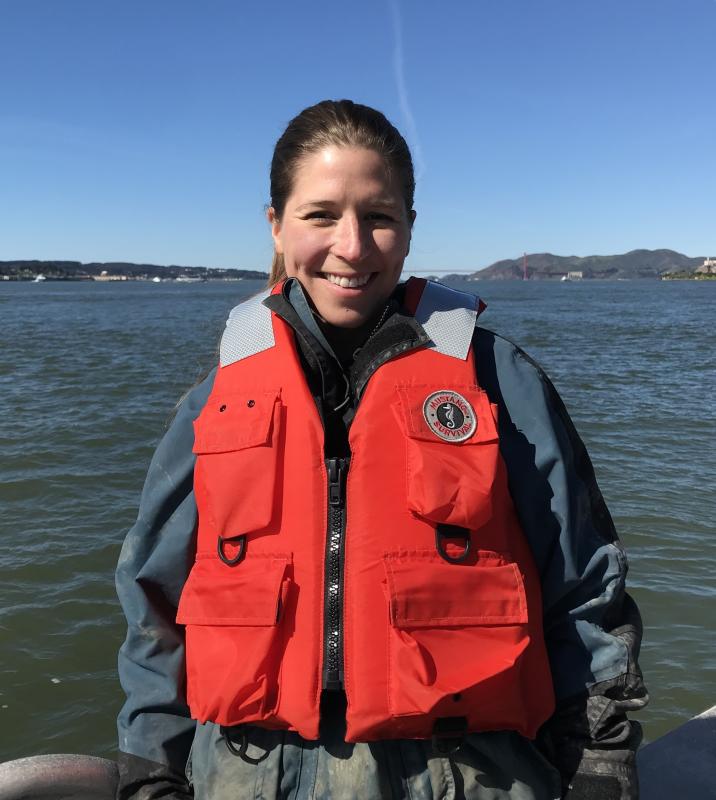
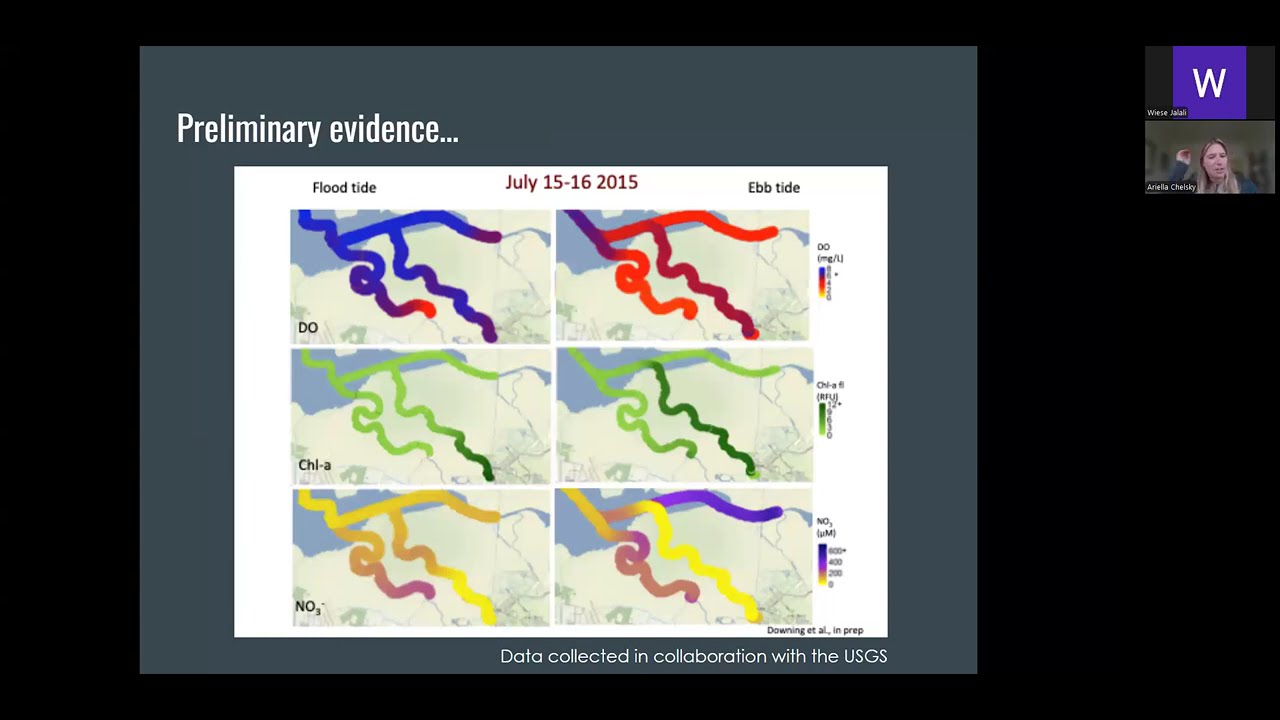
Learn about water quality issues, such as low dissolved oxygen, that can arise in the complex environment of Lower South Bay sloughs and the Restoration Project’s gated and culverted pond habitats, as Ariella Chelsky of the San Francisco Estuary Institute discusses her research.
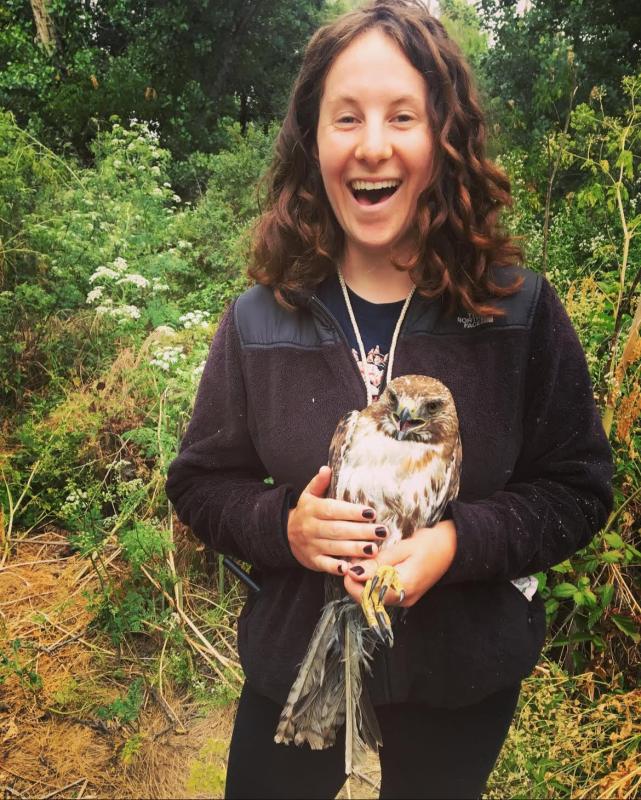
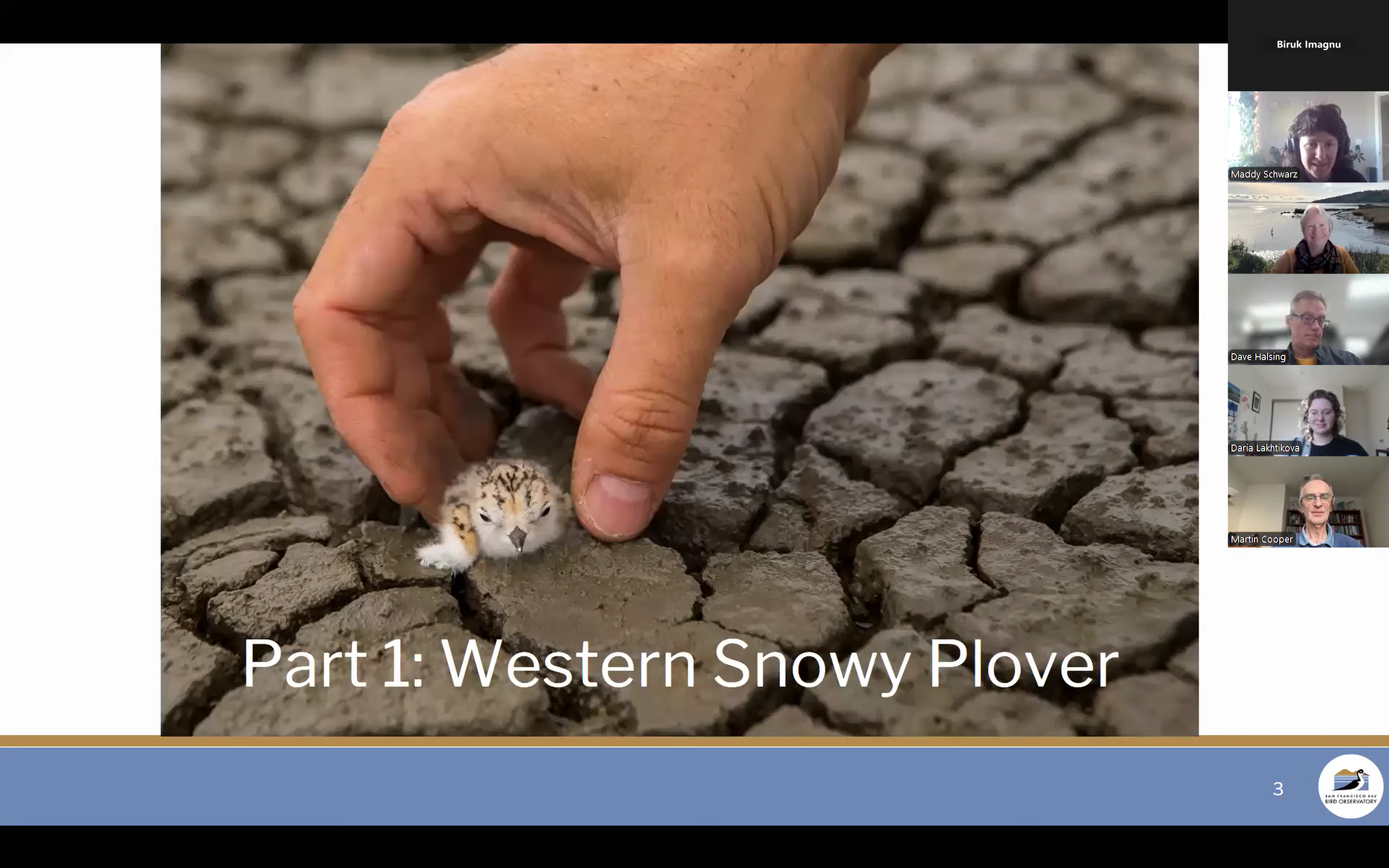
Learn the latest about one of the Restoration Project’s most charismatic megafauna, the threatened Western Snowy Plover, from Maddy Schwarz of the San Francisco Bay Bird Observatory (SFBBO). Snowy plovers nest and raise their chicks on stretches of dry ponds, where their eggs and young are vulnerable to predators from the ground and above.
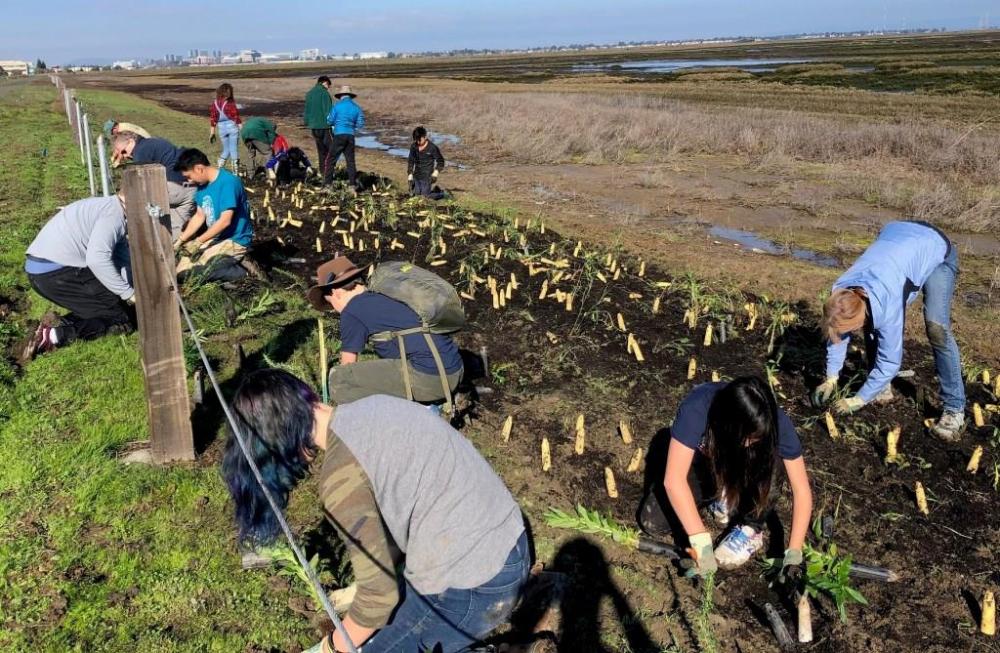
It is planting season! All the work Save The Bay has done throughout the year collecting seed, growing and caring for precious native plants has been leading to this moment right as the seasonal rains approach. They hope you will join them in putting these plants in the ground at the California Dept. of Fish and Wildlife's Eden Landing Ecological Reserve, where they will restore former industrial salt ponds into healthier salt marsh habitat for all.
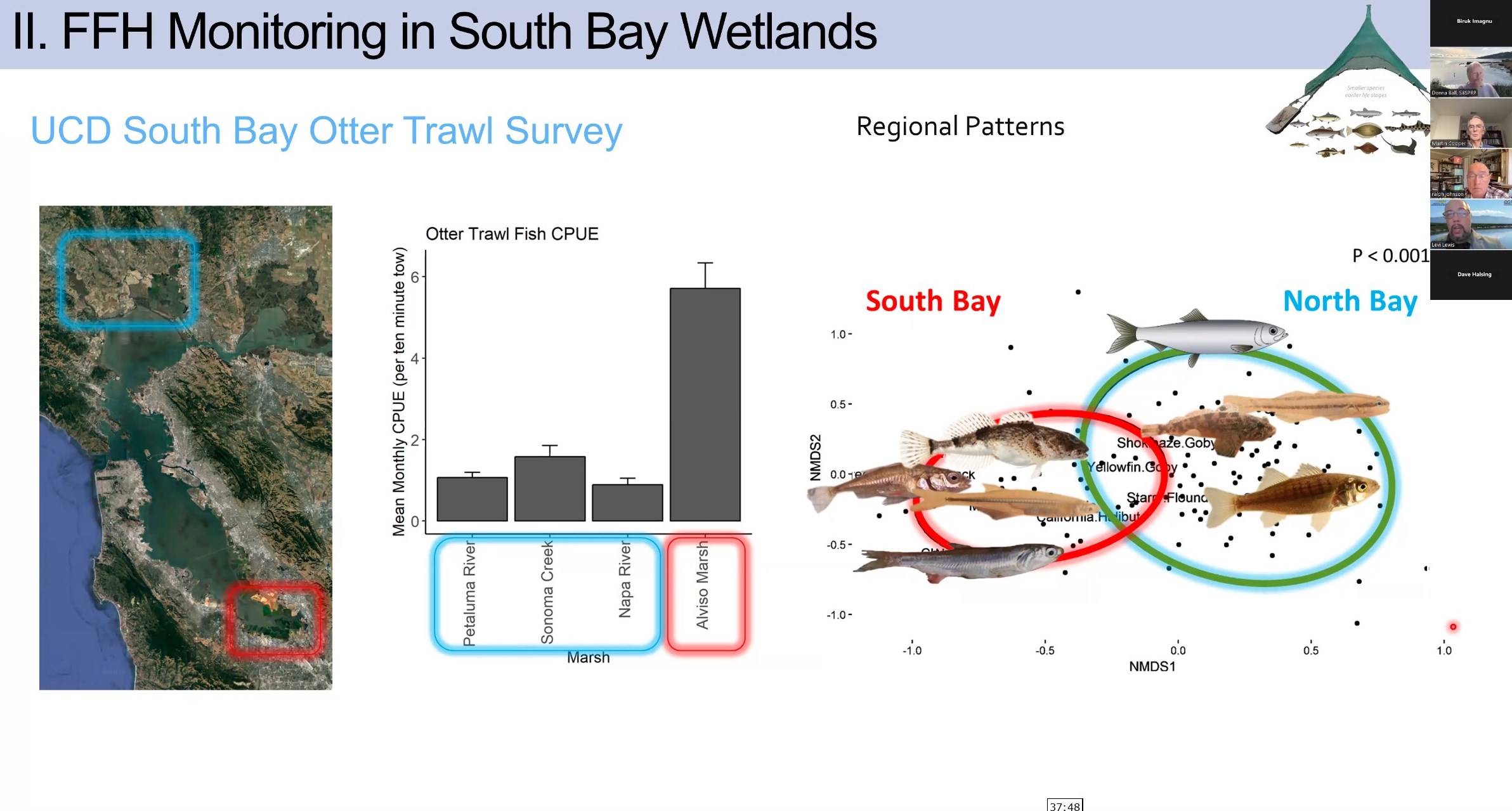
Dr. Levi S. Lewis, Director of the UC Davis Otolith Geochemistry and Fish Ecology Laboratory, discusses studies of South Bay fish and fish habitats, highlighting key findings regarding their status and trends, and how these results have informed the development of bay-wide fish monitoring under the Wetlands Regional Monitoring Program.
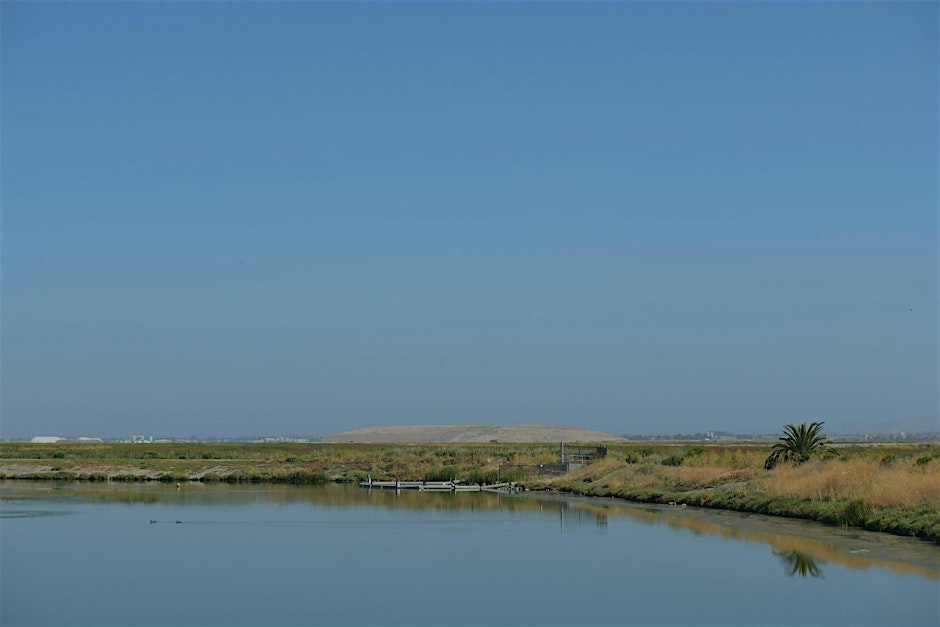
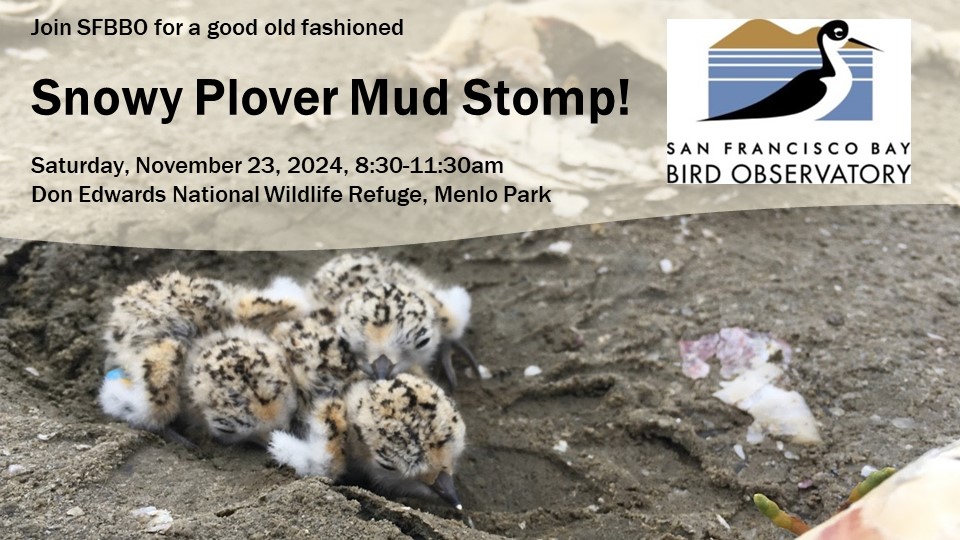
You can join us to help improve the nesting success of threatened western snowy plovers at the Ravenswood Ponds!
Partner San Francisco Bay Bird Observatory (SFBBO) will host a volunteer and scientist event to stomp nesting holes in the mud and scatter oyster shells for camouflage at the U.S. Fish and Wildlife Service’s Don Edwards San Francisco Bay National Wildlife Refuge in Menlo Park. These activities increase ground and pond texture and habitat complexity, helping the birds camouflage their nests so they can better evade predators.
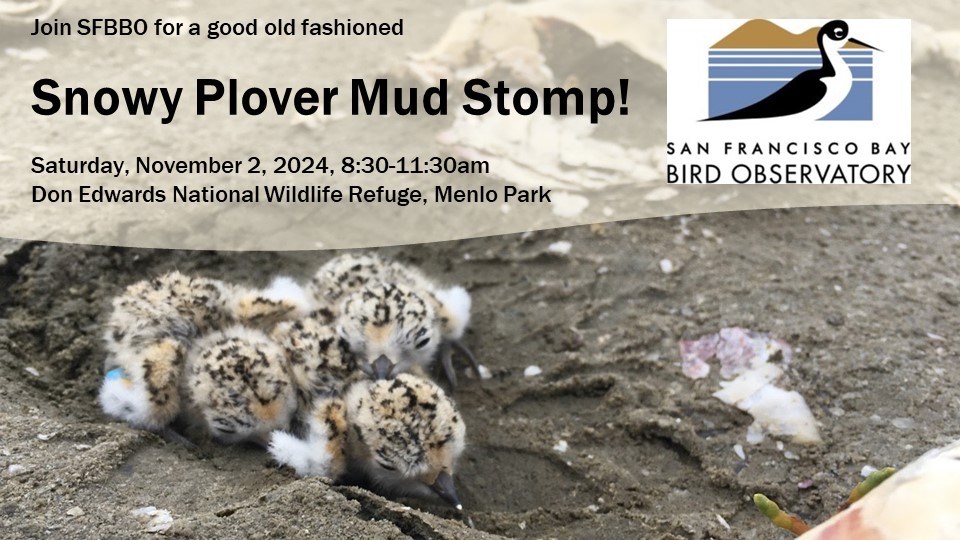
Help create habitat for threatened birds! You can join the San Francisco Bay Bird Observatory at the Ravenswood Ponds in Menlo Park to stomp in the mud and thereby improve nesting habitat for threatened western snowy plovers.
To help improve the nesting success of these threatened species, SFBBO and volunteers will increase ground and pond texture and habitat complexity to help camouflage nests from predators. The event is at the U.S. Fish and Wildlife Service's Don Edwards San Francisco Bay National Wildlife Refuge near the Dumbarton Bridge.
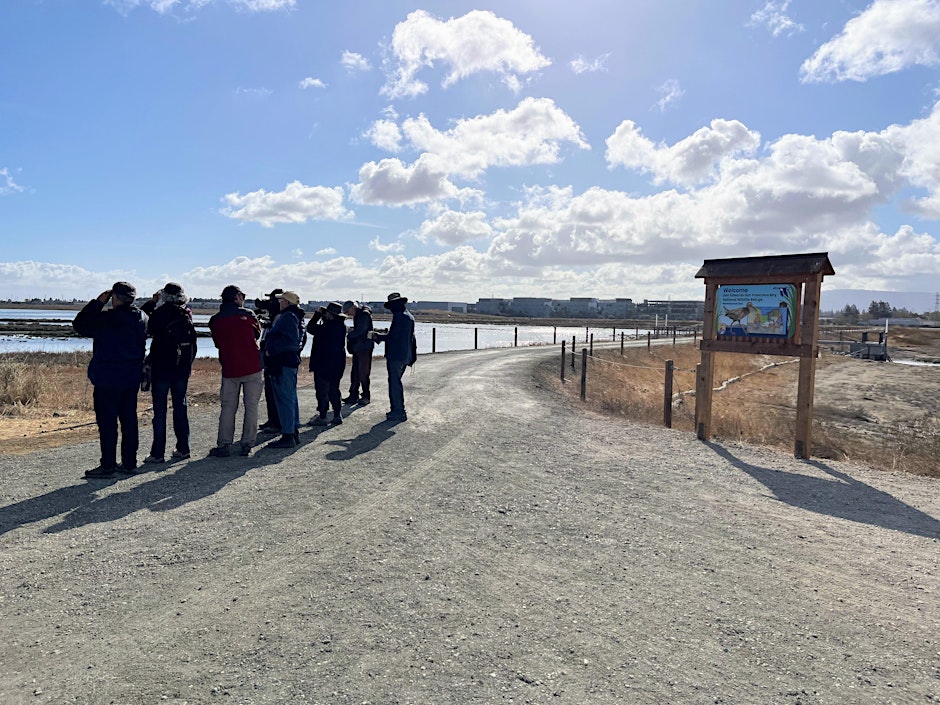
You can discover wildlife from a 360 degree view at the shore-side new Flyway Trail in Menlo Park!
Join Park Rangers for a walk of less than 2 miles along the new trail, which travels along bird ponds and newly restoring tidal marsh, connecting Bayfront Highway and the Meta Bridge with Menlo Park's Bedwell Bayfront Park. The trail, newly built by the South Bay Salt Pond Restoration Project, is in the Ravenswood Unit of the U.S. Fish and Wildlife Service's Don Edwards San Francisco Bay National Wildlife Refuge.
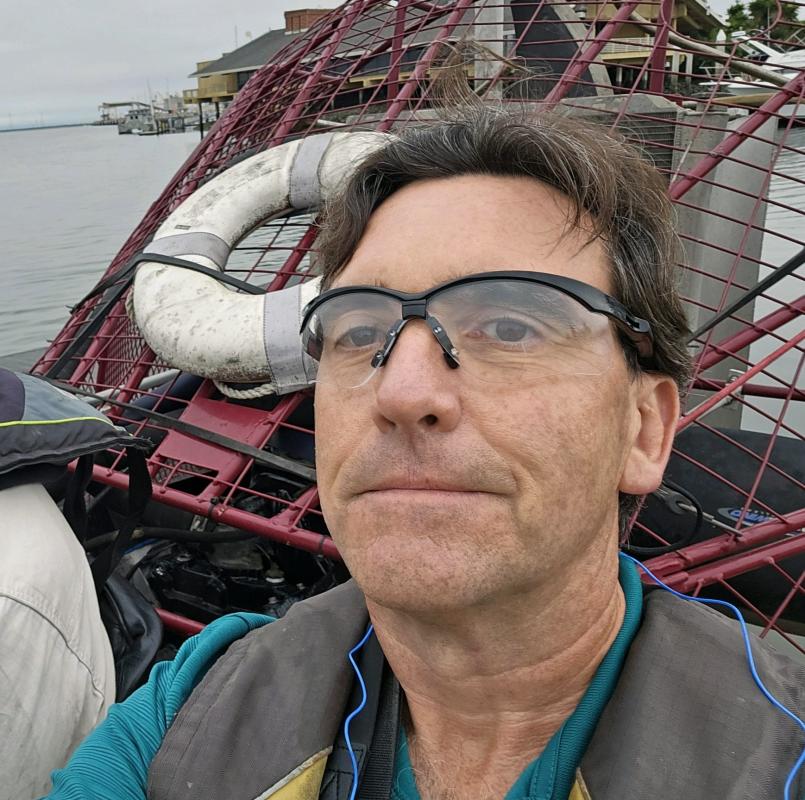
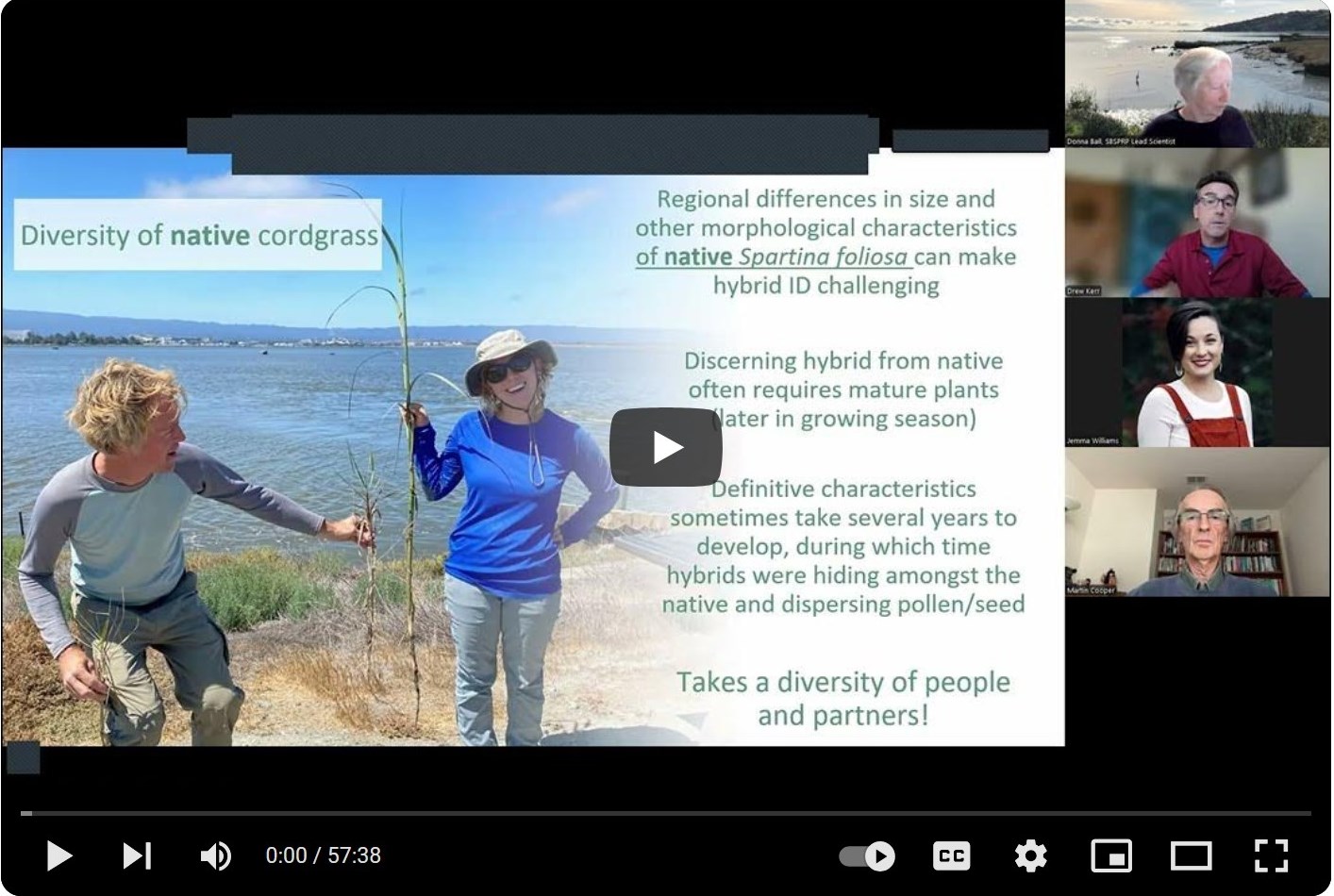
Drew Kerr of the Invasive Spartina Project discussed how managing invasive plants as tidal marshes develop and mature provides a critical foundation for successfully establishing diverse Restoration Project marsh plant communities.
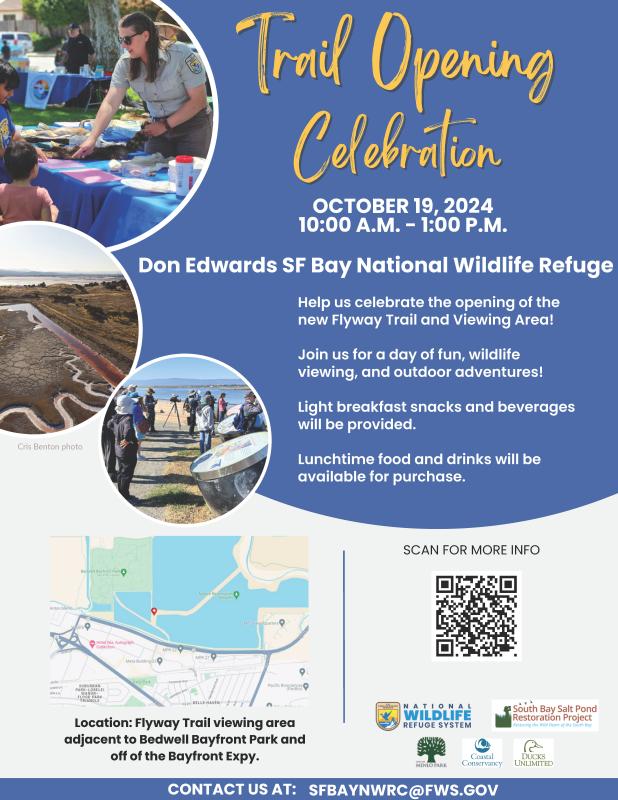
You can join a day of fun, wildlife viewing, and outdoor adventures at the opening celebration of the new Flyway Trail and Viewing Area at the Ravenswood Ponds!
The free event will feature guided bird-viewing, games, hands-on demonstrations, educational booths, and food.
The event will kick off with a brief presentation and dedication ceremony on the new viewing areas, interpretive signs, and Flyway Trail, followed by games and other activities.
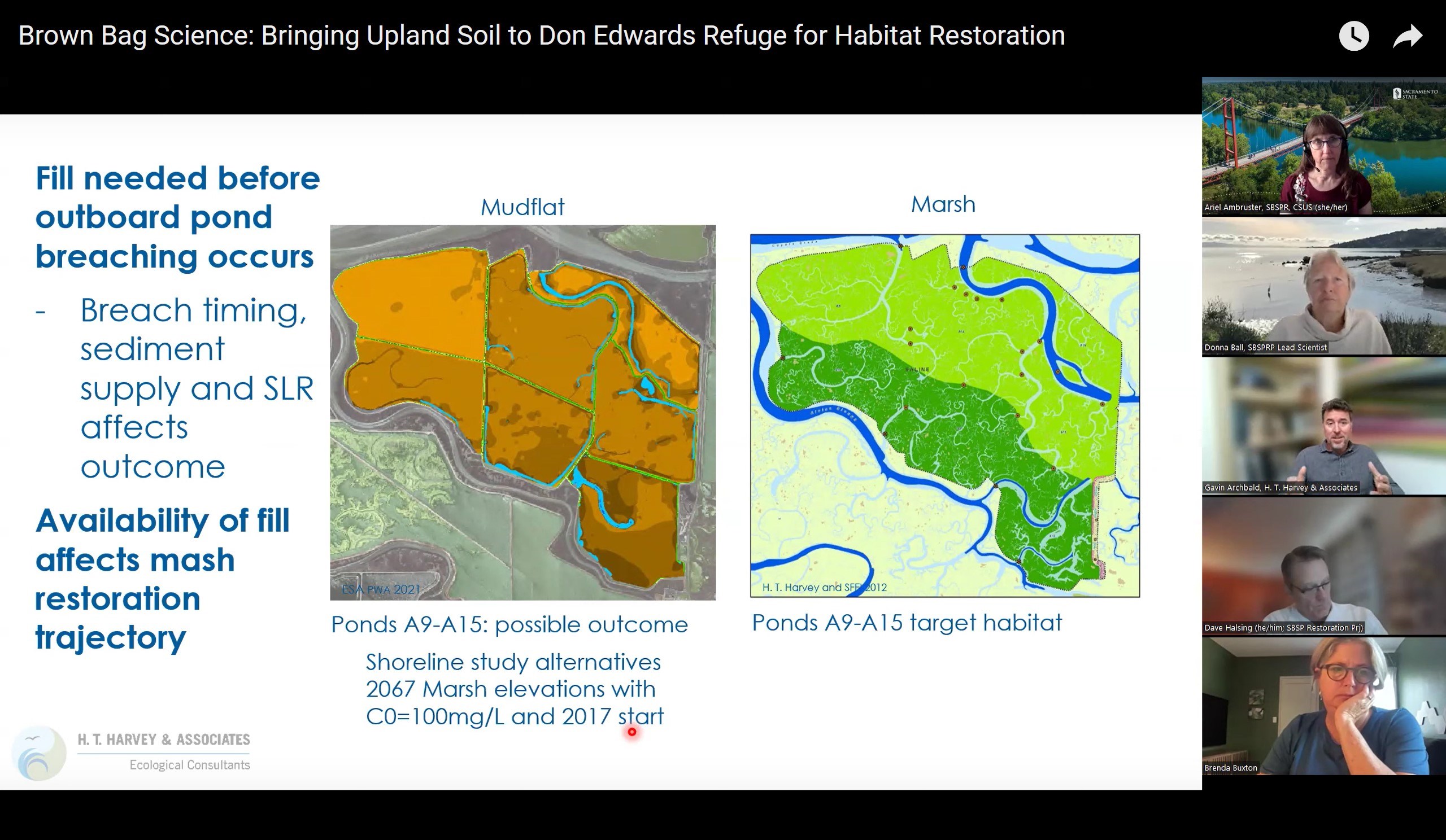
Learn how restoration ecologists have helped Don Edwards Refuge maximize the amount of soil it obtains to build habitat and levees while ensuring that soil has low contaminant levels so wildlife and wetlands are protected. Gavin Archbald of H. T. Harvey & Associates discusses his work implementing and refining the regulator-required Refuge plan for sampling soil pollutants and managing which soils are clean enough to place onsite.
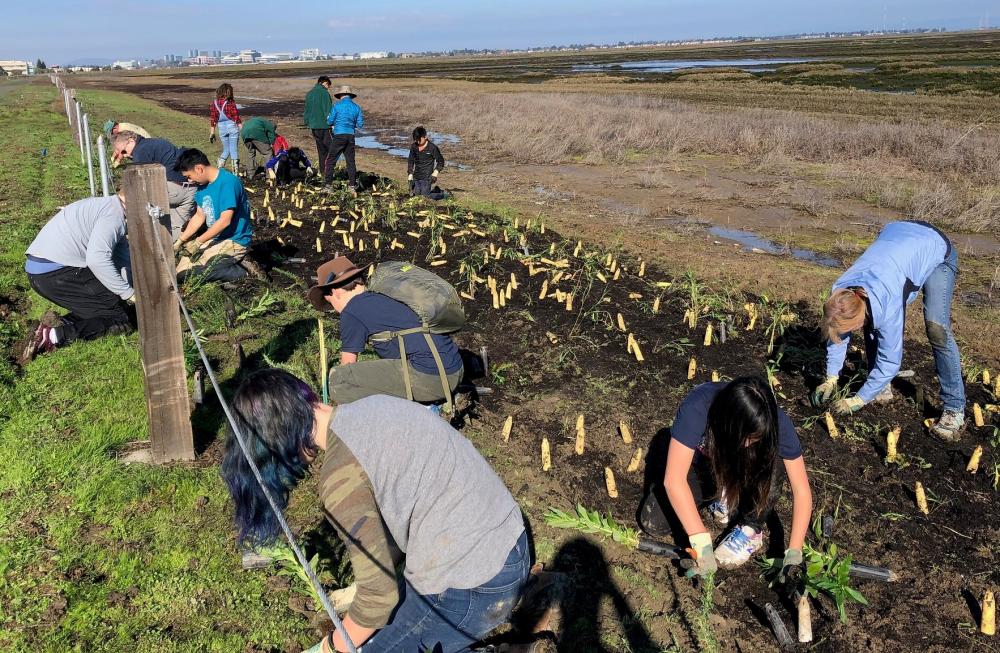
It is planting season! All the work Save The Bay has done throughout the year collecting seed, growing and caring for precious native plants has been leading to this moment right as the seasonal rains approach.
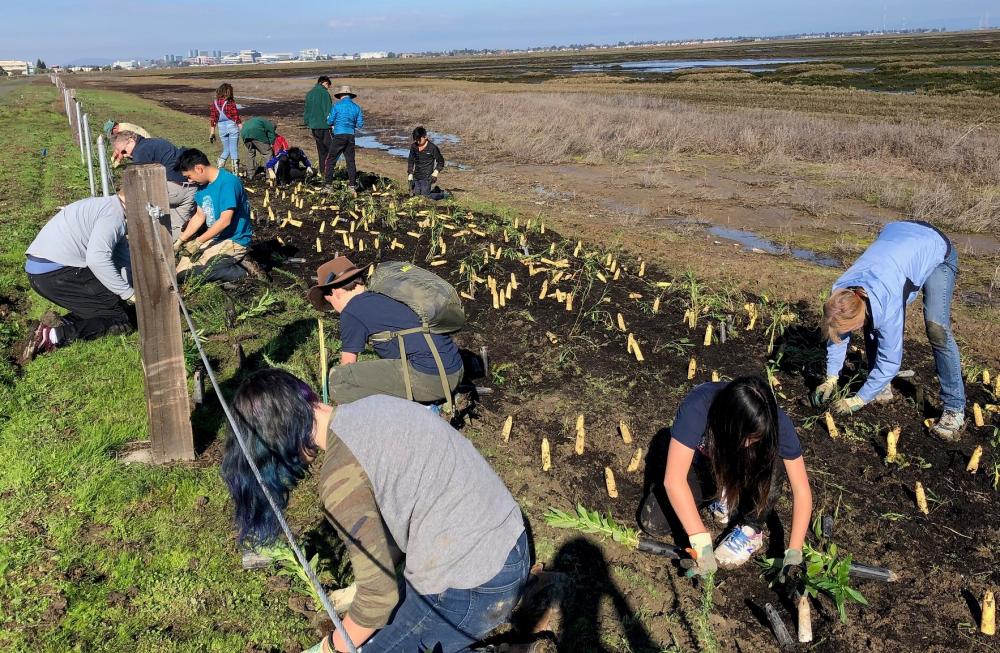
It is planting season! All the work Save The Bay has done throughout the year collecting seed, growing and caring for their precious native plants has been leading to this moment of opportunity provided by the seasonal rains. They hope you will join them in putting these plants in the ground at the Ravenswood Unit of Don Edwards NWR, adjacent to Bedwell Bayfront Park, part of the South Bay Salt Pond Restoration Project.
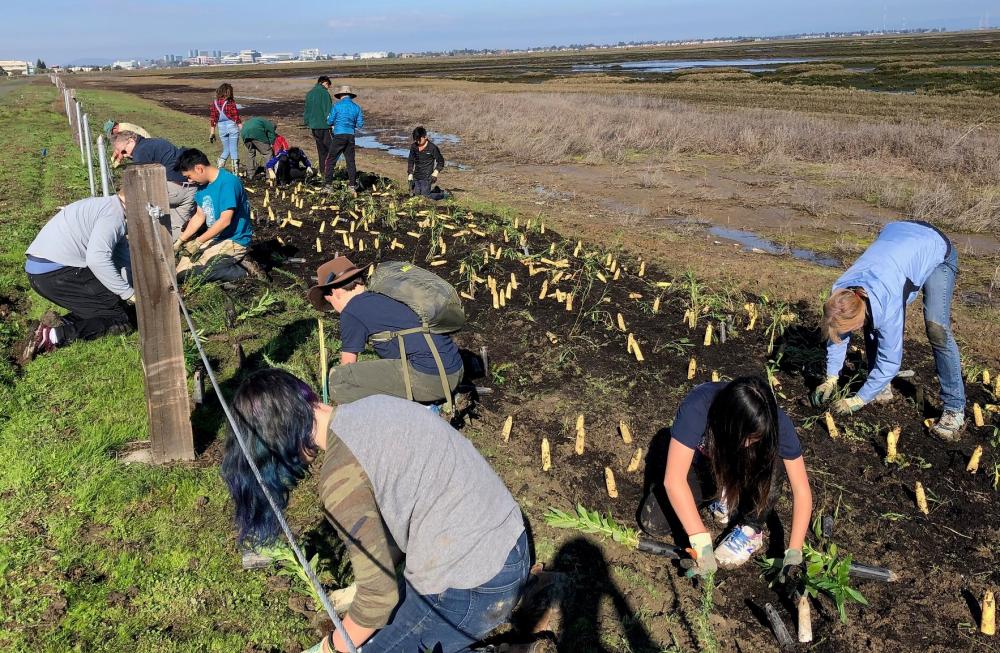
It is planting season! All the work Save The Bay has done throughout the year collecting seed, growing and caring for their precious native plants has been leading to this moment of opportunity provided by the seasonal rains. They hope you will join them in putting these plants in the ground at the Ravenswood Unit of Don Edwards NWR, adjacent to Bedwell Bayfront Park, part of the South Bay Salt Pond Restoration Project.
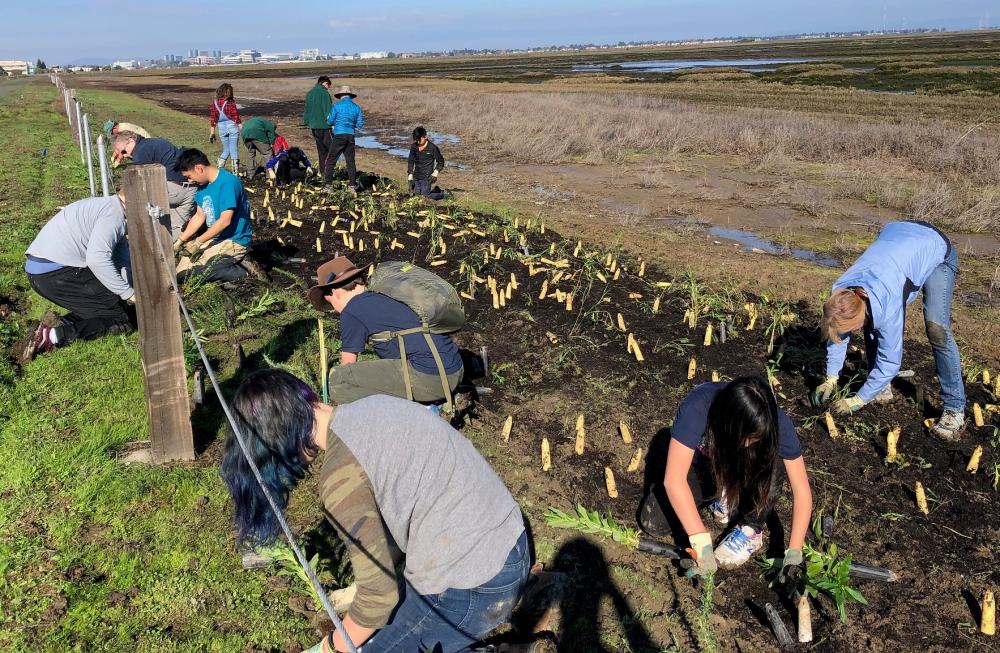
It is planting season! All the work Save The Bay has done throughout the year collecting seed, growing and caring for their precious native plants has been leading to this moment of opportunity provided by the seasonal rains. They hope you will join them in putting these plants in the ground at the Ravenswood Unit of Don Edwards NWR, adjacent to Bedwell Bayfront Park, part of the South Bay Salt Pond Restoration Project.
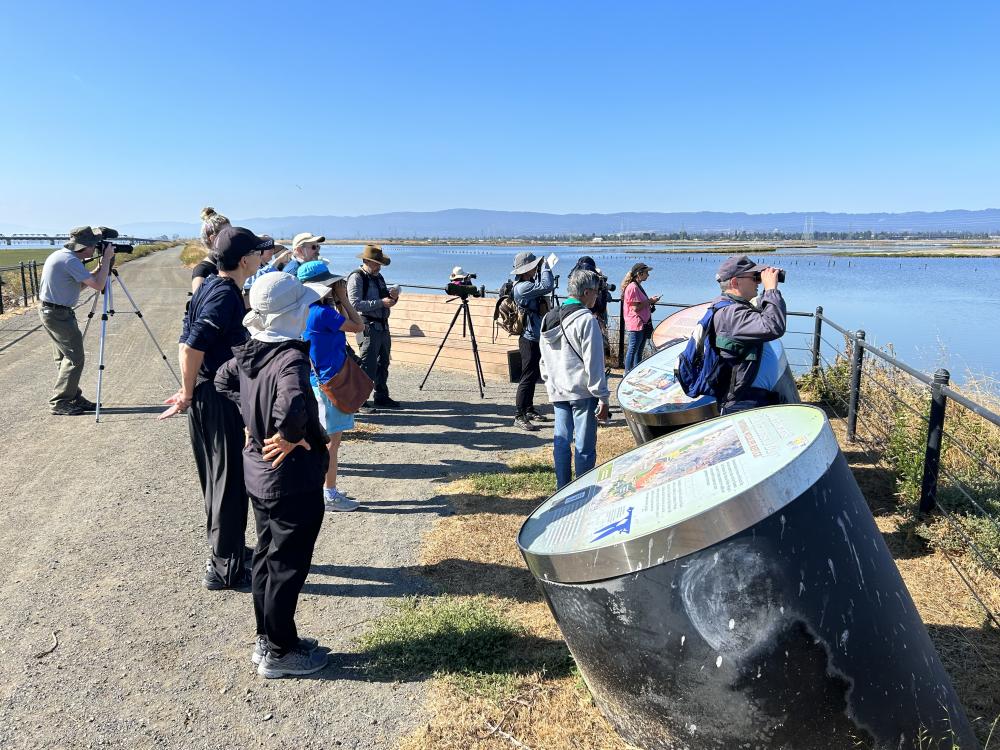
You can join an interpretative guided tour at the Don Edwards Refuge for a leisurely stroll to view the many migrating shorebirds that frequent Ravenswood Pond Pond SF2 and its nesting islands.
The tour will inform on resident bird species, migratory birds and the South Bay Salt Pond Restoration Project. Many migratory waterfowl travel through the Bay Area along what is known as the Pacific Flyway migratory path stretching from Alaska to the southern tip of South America.
Wave-driven erosion of marsh boundaries is a major cause of marsh loss, but little research has captured the effect of seasonal differences on marsh-edge retreat rates to illuminate temporal patterns of when the majority of this erosion is occurring.
Reserve your spot to Explore Biodiversity at Eden Landing Ecological Reserve on Saturday, September 7th! Tune into engaging talks on local conservation efforts, take a guided walking tour showcasing the biodiversity and management of Eden Landing's dynamic wetlands, and get a chance to bird watch with the pros! Make memories and take pictures, because participants are also encouraged to join a photo-based bioblitz using iNaturalist to contribute to invaluable citizen science data!
Sign up soon, as space is limited!
The Restoration Project launches its 2024-25 Brown Bag Science Speaker Series with a presentation on the latest research by Kevin Buffington of USGS on the potential sea level rise threat to South Bay tidal marshes and restoration sites.
Executive Summary
This report provides a project update for year two of a three-year collaboration between the San
Francisco Bay Nutrient Management Strategy (NMS), San Francisco Bay Regional Monitoring Program,
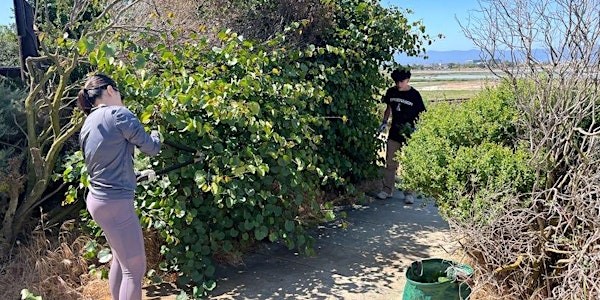
Project managers are thrilled to once again receive a Friends of the Estuary Outstanding Environmental Project Award at San Francisco Estuary Partnership's State of the Estuary Conference, this time for our Phase 2 Ravenswood restoration on the shores of Menlo Park!
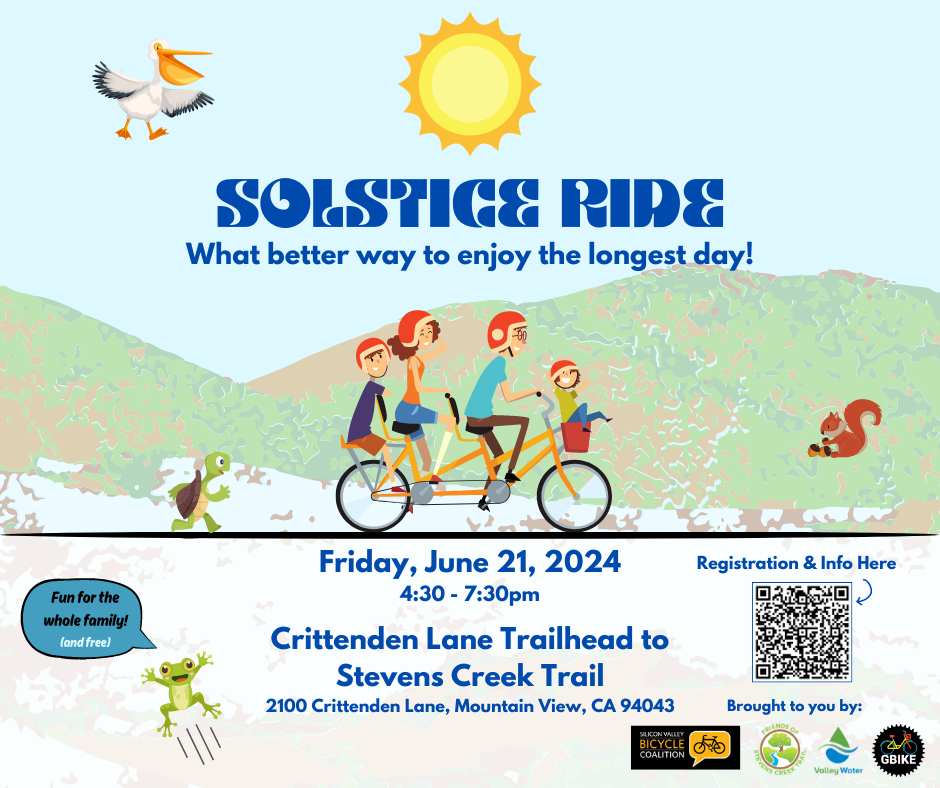
Learn about Mountain View wetlands and get some pleasant exercise at a summer solstice evening bike tour.
Part guided tour by bike, part summer solstice celebration, and full-on fun festivities! Silicon Valley Bicycle Coalition and Friends of Stevens Creek Trail are partnering for an unforgettable community event. Come together to ride, celebrate nature, hear bikes playing your favorite music from speakers, and experience the Stevens Creek Trail like never before.
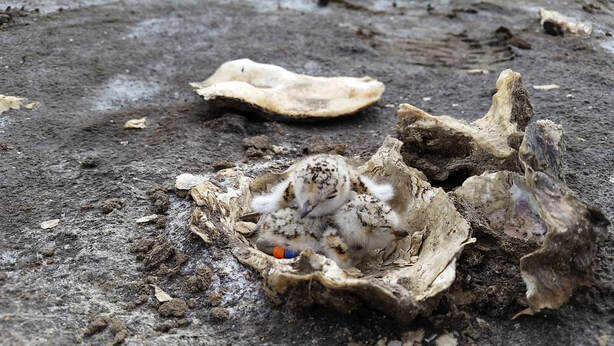
Dr. Nathan Van Schmidt, Director of Waterbird Science at the San Francisco Bay Bird Observatory, will give a virtual presentation on the Restoration Project's dilemma of needing to offer habitat for species that have accidentally ended up in San Francisco Bay after their habitat elsewhere was degraded. The event is hosted by the Golden Gate Bird Alliance.
More info and access here.
The presentation description:
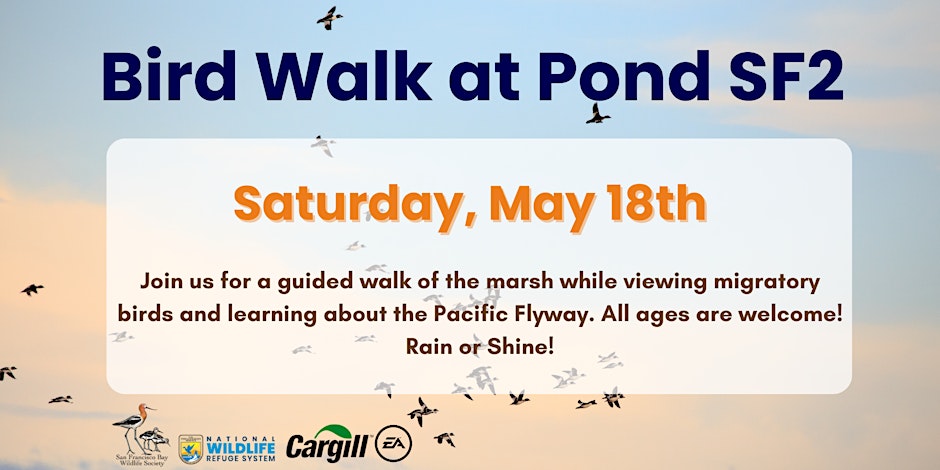
Join the Don Edwards San Francisco Bay National Refuge for a leisurely, morning stroll to view shorebirds that frequent the Pond SF2! This will be an interpretive guided tour to learn about resident bird species, migratory birds and the South Bay Salt Pond Restoration Project. Many migratory waterfowl travel through the Bay Area along what is known as the Pacific Flyway migratory path.

Join San Jose State University Professor Dr. Costanza Rampini for a discussion on whose values and voices are prioritized in climate change solutions. Dr. Rampini, an Assistant Professor in the Department of Environmental Studies, will inquire into who will benefit, who will lose, and who will be left out as different countries, regions, cities, and communities try to reduce their greenhouse gas emissions and implement strategies to cope with the impacts of climate change.
The objectives of this study were to 1) determine whether avian and mammalian predator activity, density, and space use can be successfully detected and quantified using camera traps, 2) employ multiple field techniques to estimate the activity, density, and space use of the array of species that
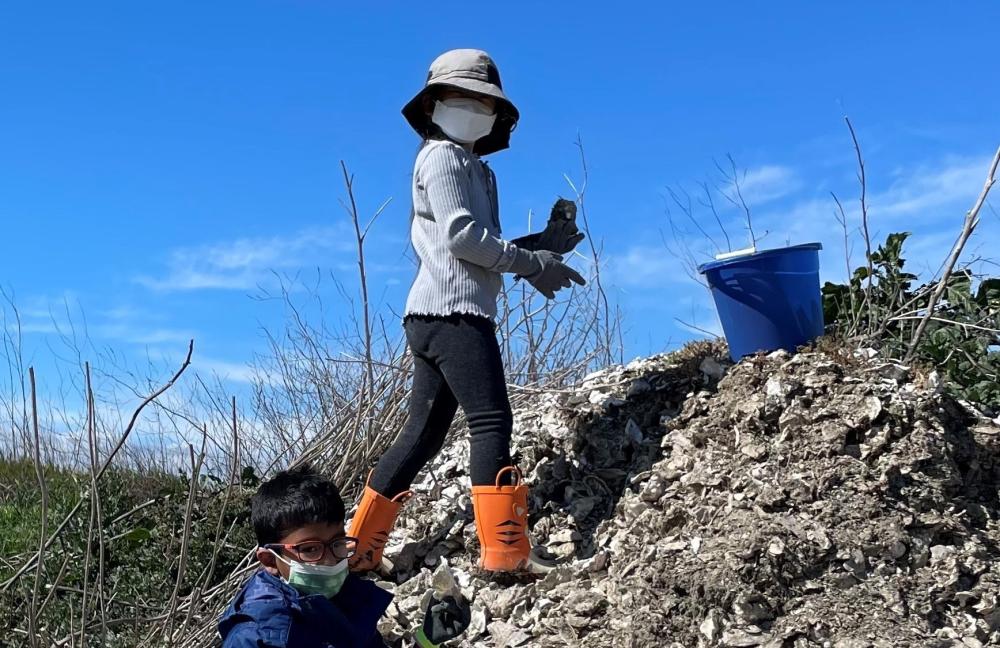
You can join the San Francisco Bay Bird Observatory (SFBBO) and the Restoration Project to help improve nesting habitat for threatened western snowy plovers and endangered California least terns! Staff and volunteers will spread oyster shells donated from area restaurants on a dry pond bottom.
This event is open to all ages, but please note that there are no restroom facilities at the site. Volunteers will have to drive on a graded dirt road for a short distance. Due to access restrictions, all volunteers will need to stay for the duration of the event.
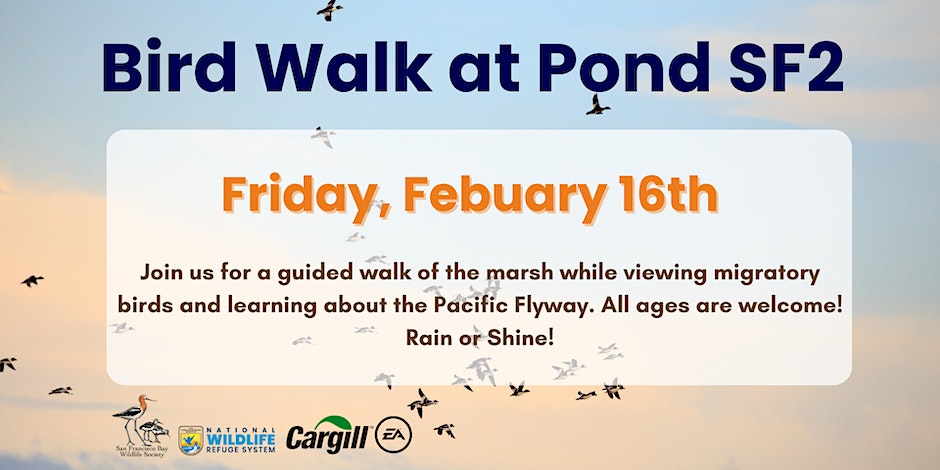
Join a Refuge biologist for a leisurely morning stroll to view shorebirds that frequent the Pond SF2! This will be an interpretive guided tour to learn about resident bird species, migratory birds and the South Bay Salt Pond Restoration Project. Many migratory waterfowl are traveling through the Bay Area from October through January along what is known as the Pacific Flyway migratory path. This free event is open to all, but registration is required. Register here.
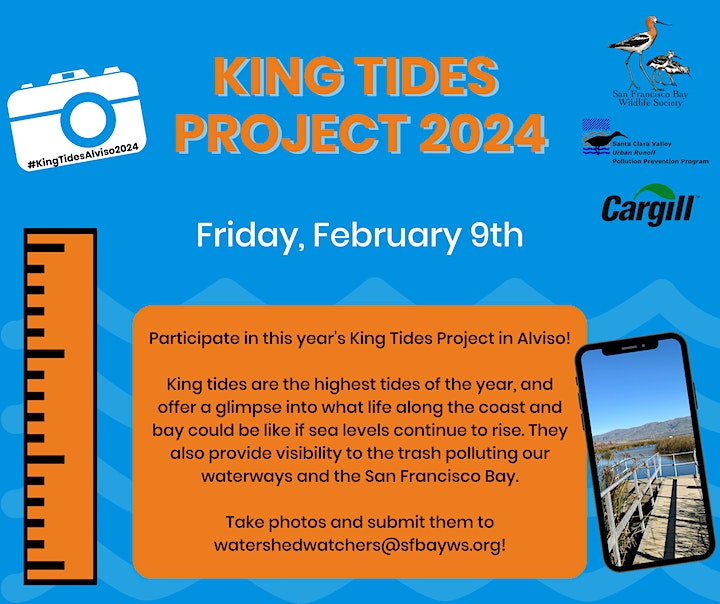
Interested in a volunteer opportunity you can do for school, work, or just for fun, that you can do on your own or with your household? Calling middle and high school students and scout groups! Come to the Don Edwards SF Bay National Wildlife Refuge and take photos to record the high tides called King Tides. The Refuge has a few spots around Alviso to view the year's highest tides. Participants will snap photos and submit them to the Refuge's Friends organization, the San Francisco Bay Wildlife Society, at [email protected].
During the 2023 breeding season, SFBBO monitored Snowy Plover population size, nesting and fledging success, the use of experimental habitat enhancement sites, and potential predators at eight historical salt production pond complexes in the South San Franc
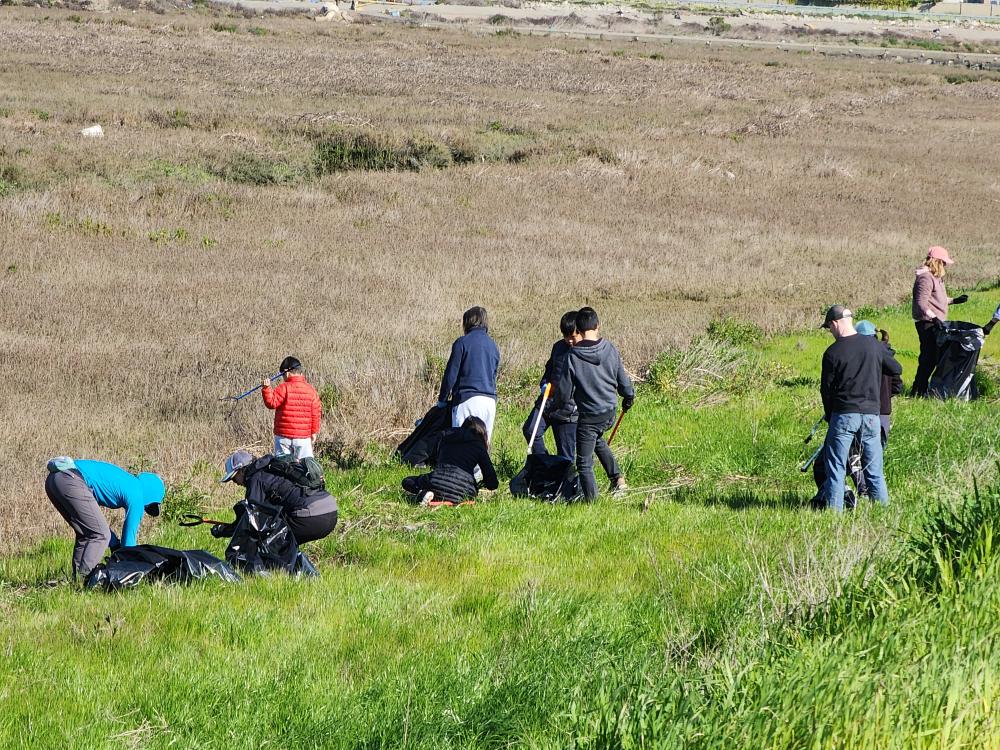
You can join ecologists to help restore habitat for birds and other wildlife at Eden Landing Ecological Reserve in Union City! Volunteers at the San Francisco Bay Bird Observatory (SFBBO) event will get to tour an active restoration site that is not normally accessible to the public, learn about restoration goals and techniques, view wildlife, and improve the health of San Francisco Bay.
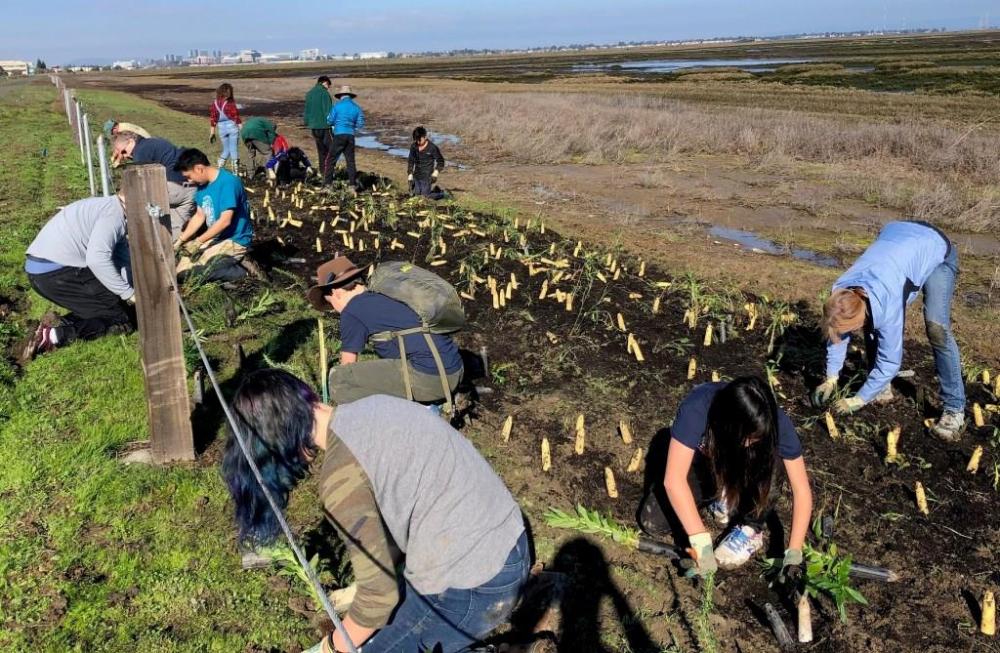
You can join Save The Bay at the California Department of Fish and Wildlife Eden Landing Ecological Reserve to help restore former industrial salt ponds into healthy salt marsh habitat!
This vision includes turning vulnerable fields of invasive mustard and thistle into resilient shoreline full of natives like California poppy, sticky monkeyflower and marsh gumplant. Save The Bay and the Restoration Project hope you will enjoy giving the baby native plants the support they need to transform the land!
For more information and registration, see:
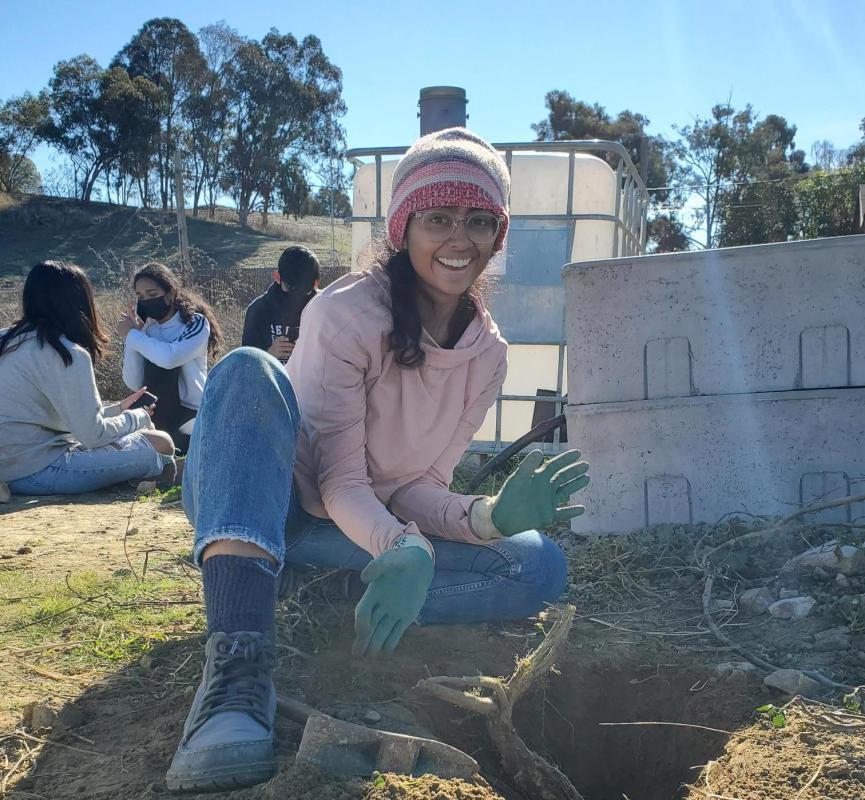
Come join Save The Bay at Ravenswood and help protect marshes from invasive plants! Invasive species degrade habitat by crowding out the California native species that our landscapes and wildlife have adapted to live with. Save The Bay will be pulling invasive plant species to make way for the native plants that staff and volunteers put in the ground. This will transform the degraded habitat around the pond the South Bay Salt Pond Restoration Project recently breached into healthy salt marsh habitat, giving wildlife good homes and our communities nature-based sea level rise protection!
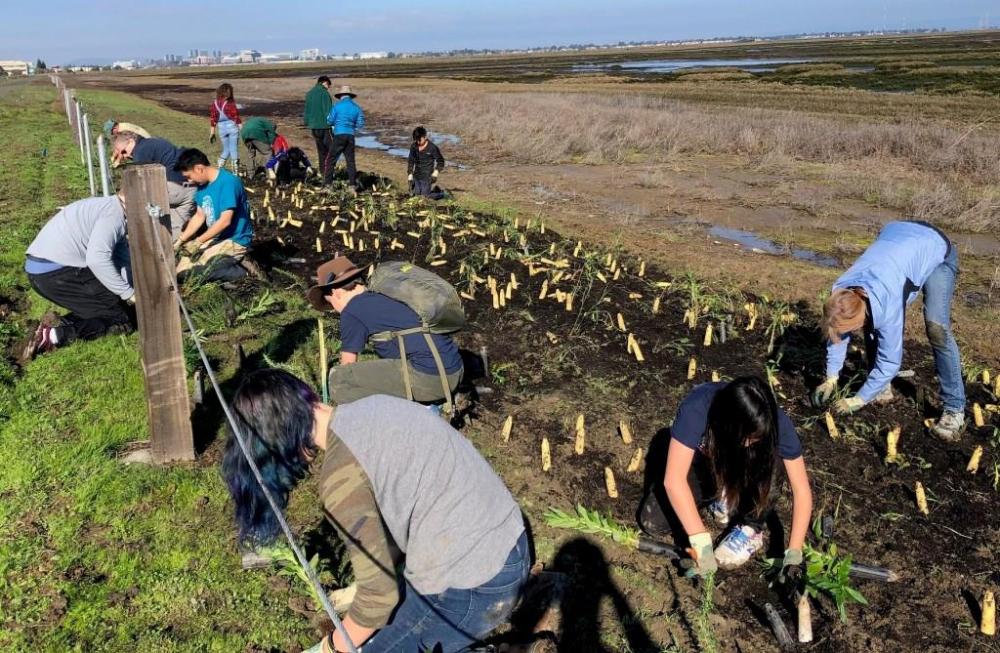
Come join Save The Bay at Eden Landing Ecological Reserve to help restore former industrial salt ponds into healthy salt marsh habitat!
Native plants are the backbone holding the earth at the front lines of sea level rise. The invasive species they will be pulling threaten to crowd the native vegetation out, depriving all species (including humans!) of the benefits that come from healthy salt marshes.
Accessibility: This program involves walking on a gravel trail and working on a sloped dirt surface. There is a porta-potty onsite.
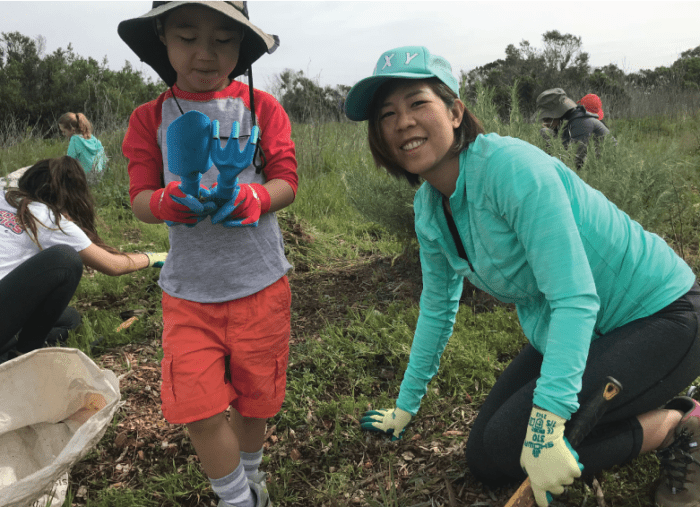
It is planting season! All the work Save The Bay has done throughout the year collecting seed, growing and caring for our precious native plants has been leading to this moment of opportunity provided by the seasonal rains. Save The Bay invites you to join them in putting these plants in the ground at the Ravenswood Unit of Don Edwards NWR, adjacent to Bedwell Bayfront Park.
San Francisco Bay got slightly bigger Wednesday when federal wildlife officials breached a levee near Menlo Park. KQED climate reporter Ezra David Romero explains they are restoring a three-hundred-acre former industrial salt pond into a wetland.
Analysis of total and methyl mercury as part of continuing monitoring to establish baseline concentrations in the sediments of the ponds comprising the South Bay Salt Pond Restoration Project.
The San Francisco Bay Bird Observatory surveyed 22 salt evaporation ponds for waterbirds and sampled water quality from October 2008 through September 2009.
The San Francisco Bay Bird Observatory (SFBBO), Don Edwards San Francisco Bay National Wildlife Refuge (Refuge), California Department of Fish and Game (CDFG), Hayward Area Recreational and Park District (HARD), and East Bay Regional Parks District (EBRPD) form the Western Snowy Plover Recovery U
The Santa Clara Valley Water District (District) and the U.S. Fish and Wildlife Service Don Edwards National Wildlife Refuge (Refuge) implemented the Island Ponds Restoration Project to fulfill two goals:
The Santa Clara Valley Water District (District) and the U.S. Fish and Wildlife Service Don Edwards National Wildlife Refuge (Refuge) implemented the Island Ponds Restoration Project to fulfill two goals:
The Santa Clara Valley Water District (District) and the U.S. Fish and Wildlife Service Don Edwards National Wildlife Refuge (Refuge) implemented the Island Ponds Restoration Project to fulfill two goals:
The Santa Clara Valley Water District (District) and the U.S. Fish and Wildlife Service Don Edwards National Wildlife Refuge (Refuge) implemented the Island Ponds Restoration Project to fulfill two goals:
The Santa Clara Valley Water District (District) and the U.S. Fish and Wildlife Service Don Edwards National Wildlife Refuge (Refuge) implemented the Island Ponds Restoration Project to fulfill two goals:
This annual self-monitoring report summarizes the results of the water quality monitoring and sediment sampling conducted at the Baumberg Complex in Hayward, California, July through November 2004.
This annual self-monitoring report summarizes the results of the water quality monitoring and sediment sampling conducted at the Baumberg Complex, also known as the Eden Landing Ecological Reserve (ELER), in Hayward, California, April through November 2005. Data was collected by the U.S.
This annual self-monitoring report summarizes the results of the water quality monitoring and sediment sampling conducted at the Baumberg Complex, also known as the Eden Landing Ecological Reserve (ELER), in Hayward, California, April through November 2006. Data was collected by the U.S.
This annual self-monitoring report summarizes the results of the water quality monitoring and sediment sampling conducted at the Baumberg Complex, also known as the Eden Landing Ecological Reserve (ELER), in Hayward, California, April through November 2006.
This annual self-monitoring report summarizes the results of the water quality monitoring and sediment sampling conducted at the Baumberg Complex, also known as the Eden Landing Ecological Reserve (ELER), in Hayward, California, April through November 2006.
This annual self-monitoring report (ASMR) summarizes the results of the water quality monitoring and pond management sampling conducted at the Baumberg Complex, also known as the Eden Landing Ecological Reserve (ELER), in Hayward, California, from May through October 2009.
This annual self-monitoring report summarizes the water quality monitoring and pond management sampling conducted by the Department of Fish and Game (Department) from May through October 2010 at the former Baumberg Complex salt ponds, now known as the Eden Landing Ecological Reserve (ELER), in Ha
This annual self-monitoring report summarizes the pond operations, management and monitoring conducted by the Department of Fish and Game (Department) from May through October 2011 at the former Baumberg Complex salt ponds, now known as the Eden Landing Ecological Reserve (ELER), in Hayward, Cali
This annual self-monitoring report summarizes the pond operations, management and monitoring conducted by the Department of Fish and Wildlife (Department) from May through October 2012 at the former Baumberg Complex salt ponds, also known as the Eden Landing Ecological Reserve (ELER), in Hayward,
This annual self-monitoring report summarizes the pond operations, management and monitoring conducted by the Department of Fish and Wildlife (Department) from May through October 2013 at the former Baumberg Complex salt ponds, also known as the Eden Landing Ecological Reserve (ELER), in Hayward,
This annual self-monitoring report summarizes the pond operations, management and monitoring conducted by the Department of Fish and Wildlife (Department) from May through October 2014 at the former Baumberg Complex salt ponds, also known as the Eden Landing Ecological Reserve (ELER), in Hayward,
This annual report summarizes the results of the 2004 water quality sampling conducted at the Alviso Salt Ponds in Santa Clara County, which are part of the South San Francisco Bay Low Salinity Salt Ponds. Operations occurred from July through December 2004.
Attached are the original and revised reports.
This annual report summarizes the results of the 2006 water quality sampling conducted at the Alviso Salt Ponds in Santa Clara County, California, which are part of the South San Francisco Bay Low Salinity Salt Ponds. Operations occurred from May through October 2006.
This annual report summarizes the results of the 2007 water quality sampling conducted at the Alviso Salt Ponds in Santa Clara County, California, which are part of the South San Francisco Bay Low Salinity Salt Ponds. Operations occurred from May through October 2007.
This annual report summarizes the results of the 2008 water quality sampling conducted at the Alviso Ponds in Santa Clara County, California, which are part of the South San Francisco Bay Low Salinity Salt Ponds. Operations occurred from May through October 2008.
This annual report summarizes the results of the 2009 water quality sampling conducted at the Alviso Ponds in Santa Clara County, California, which are part of the South San Francisco Bay (Bay) Low Salinity Salt Ponds. Operations occurred from June through October 2009.
This annual self-monitoring report provides the results of the 2010 water quality monitoring and applied studies conducted at the Alviso Ponds in Santa Clara County, California.
This South Bay Salt Pond Restoration Project (Project) 2011 Annual Self-Monitoring Report (Report) has been prepared to provide: 1) an update of Project Phase I activities that were completed or began implementation in 2011; 2) information on on-going operations of the Alviso and Ravenswood Ponds
The South Bay Salt Pond Restoration Project (Project) 2012 Annual Self-Monitoring Report (Report) has been prepared to provide: 1) an update of the Project’s 2012 accomplishments; 2) information on on-going operations of the Alviso and Ravenswood Ponds; 3) results of the 2012 applied studies cond
The South Bay Salt Pond Restoration Project (Project) 2014 Annual Self-Monitoring Report (Report) has been prepared to provide: 1) an update of the Project’s 2014 accomplishments; 2) information on on-going operations of the Alviso and Ravenswood Ponds; 3) results of the 2014 studies conducted at
The South Bay Salt Pond Restoration Project (Project) 2015 Annual Self-Monitoring Report (Report) has been prepared to provide: 1) an update of the Project’s 2015 accomplishments; 2) information on on-going operations of the Alviso and Ravenswood Ponds; 3) results of the 2015 studies conducted at
The South Bay Salt Pond Restoration Project (Project) 2016 Annual Self-Monitoring Report (Report) has been prepared to provide: 1) an update of the Project’s 2016 accomplishments; 2) information on on-going operations of the Alviso and Ravenswood Ponds; 3) results of the 2016 studies conducted at
Since the beginning of the South Bay Salt Pond Restoration Project (Project), there has been a
public/private investment of $183 million in the former salt ponds. As a result of this investment:
Bathymetric change analyses document historical patterns of sediment deposition and erosion, providing valuable insight into the sediment dynamics of coastal systems, including pathways of sediment and sediment-bound contaminants.
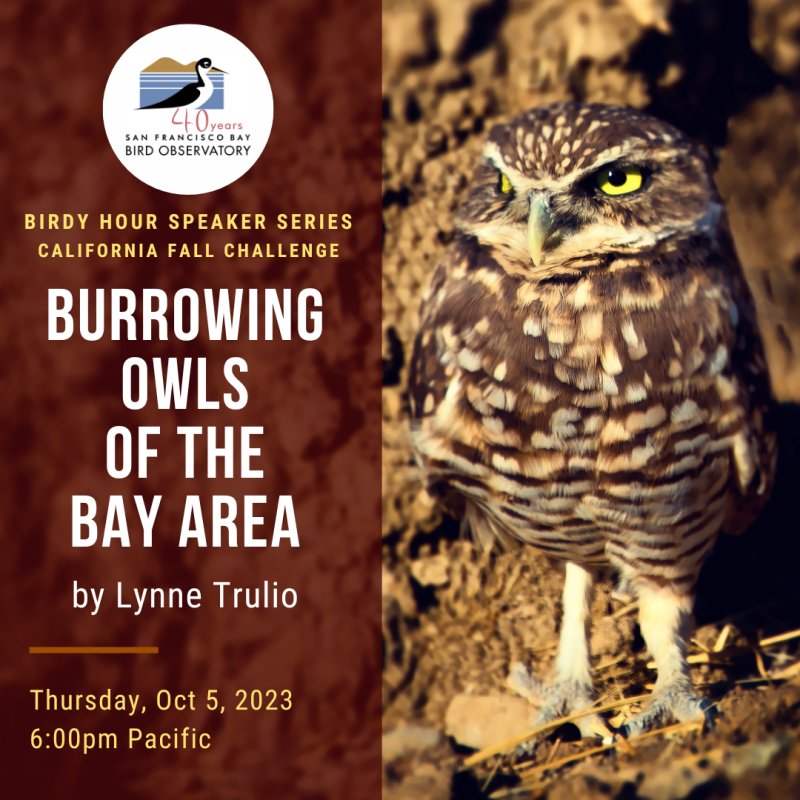
Learn the latest about the life and times of our local burrowing owls from our own first Lead Scientist, Dr. Lynne Trulio of San Jose State University, at this free online lecture hosted by the San Francisco Bay Bird Observatory (SFBBO).
Register here.
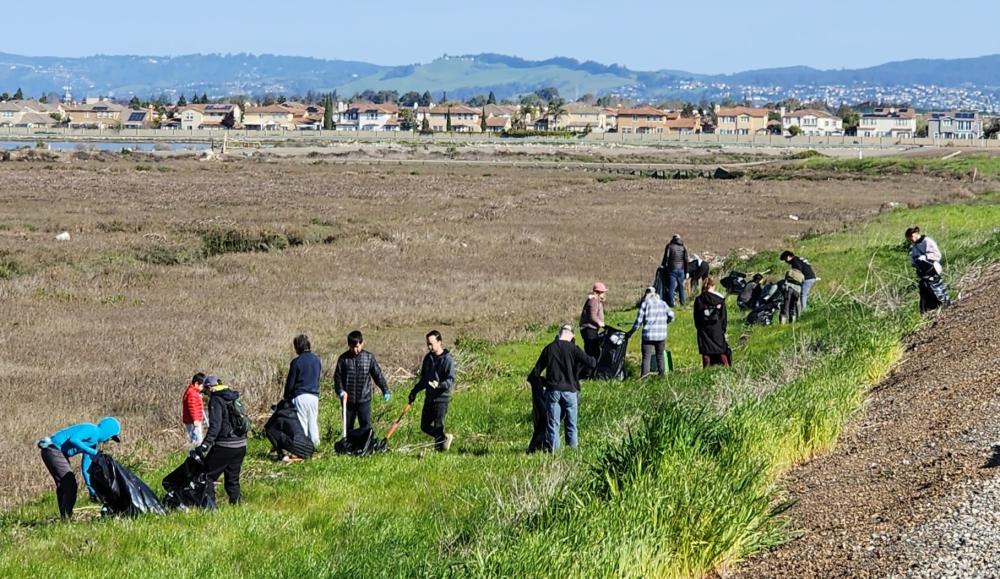
Join San Francisco Bay Bird Observatory ecologists to help restore habitat for birds and other wildlife at Eden Landing Ecological Reserve in Union City!
Volunteers will get to tour a restoration site that was just seeded and planted by SFBBO in fall-winter 2022-2023. The restoration site is not normally accessible to the public, so volunteers will get special access to a restricted area while helping remove invasive weeds like mustard, pepperweed, and poison hemlock!
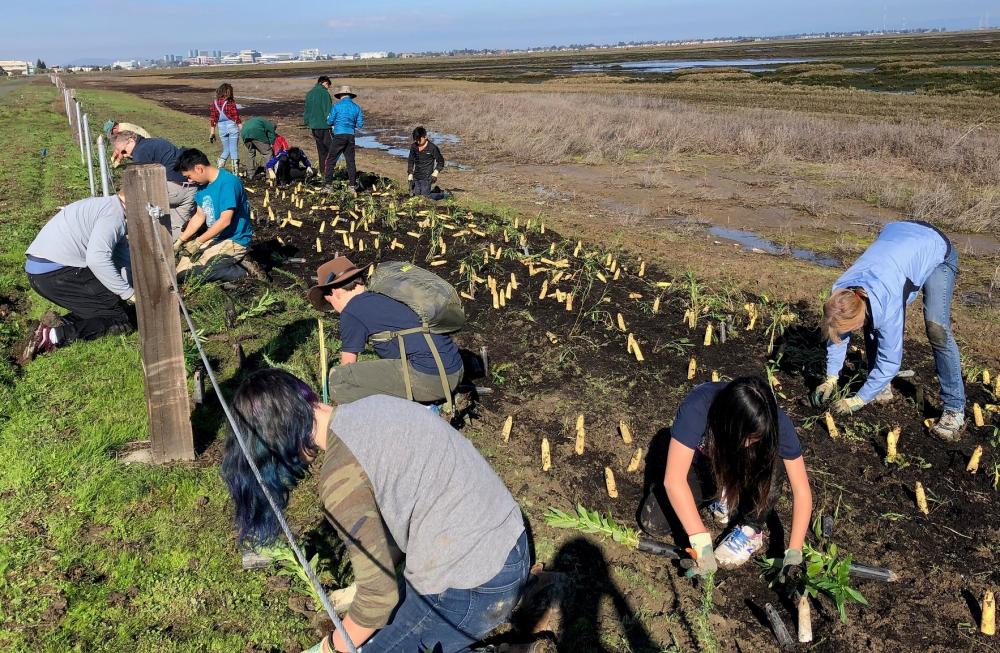
It is planting season! All the work we’ve done throughout the year collecting seed, growing and caring for our precious native plants has been leading to this moment right as the seasonal rains approach. We hope you will join us in putting these plants in the ground at Eden landing, where they will help reclaim former industrial salt ponds and restore them into healthier salt marsh habitat for all.
More info and registration here.
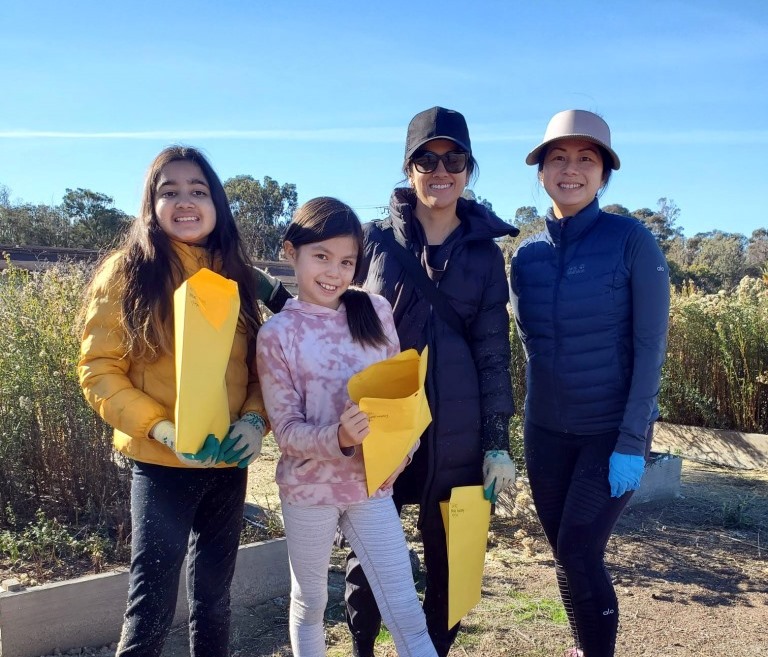
It is planting season! All the work Save The Bay has done throughout the year collecting seed, growing and caring for precious native plants has been leading to this moment right as the seasonal rains approach. Restoration manager hope you will join in putting these plants in the ground at the Ravenswood Unit of Don Edwards National Wildlife Refuge, next to Menlo Park's Bedwell Bayfront Park. These plants will be helping us restore degraded salt pond into healthy salt marsh habitat, giving wildlife good homes and our communities natural sea level rise protection!
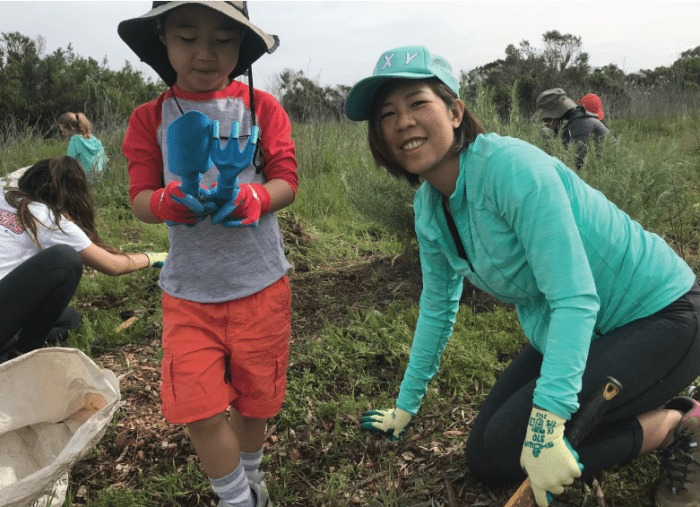
It is planting season!
All the work Save The Bay has done throughout the year collecting seed, growing and caring for precious native plants has been leading to this moment right as the seasonal rains approach.
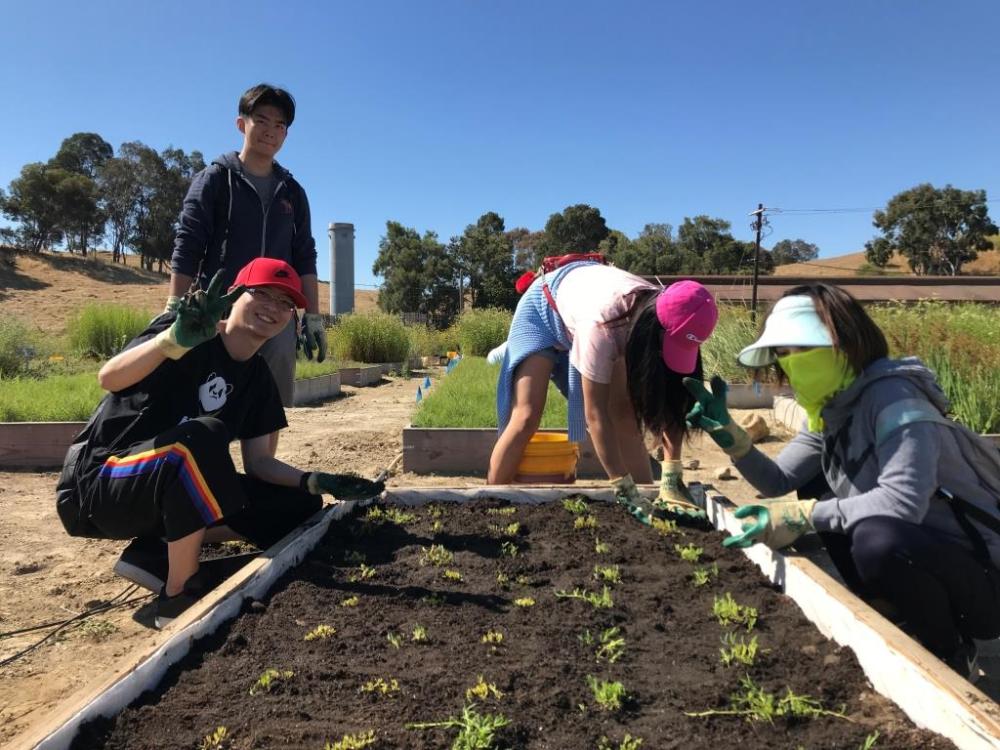
Winter is coming!
For our partners at Save The Bay who are growing plants for our Ravenswood marsh restoration, that means it is time to prepare for planting season in high hopes of catching the seasonal rain.
Save The Bay restoration managers hope you will join them at the Ravenswood Nursery to get the native plants they’ve been growing all season ready to restore the marsh in front of Menlo Park's Bedwell Bayfront Park.
Register here.
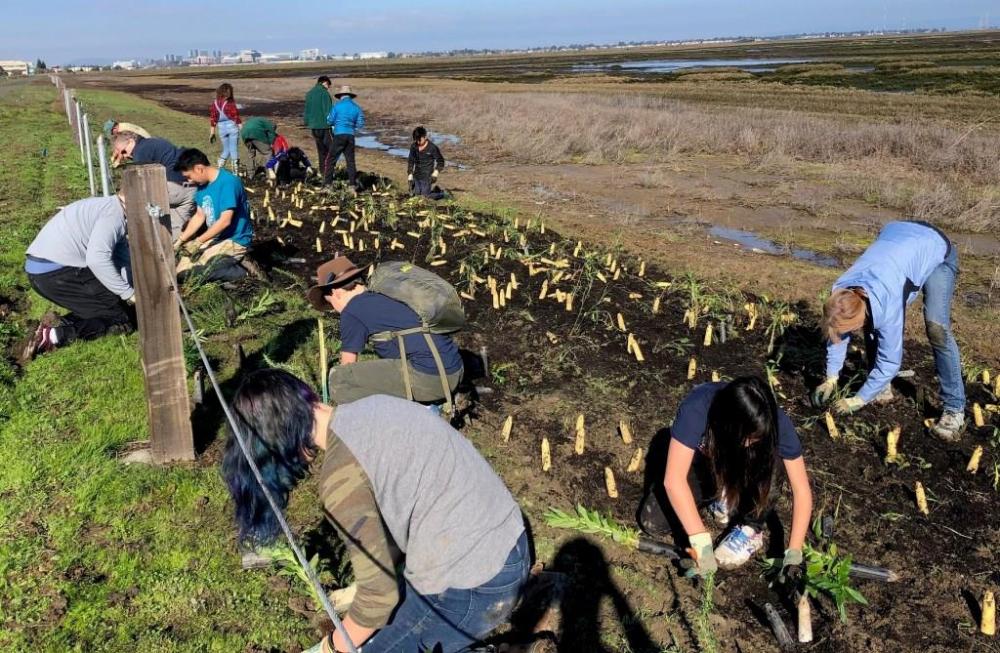
Come join Save The Bay at the California Department of Fish and Wildlife's Eden Landing Ecological Reserve to help restore former industrial salt ponds into healthy salt marsh habitat! As part of a partnership project with the South Bay Salt Pond Restoration Project, volunteers will be pulling invasive plants using hand picks and gloves to give the native marsh plants planted last winter a chance to establish themselves.
Register and get more information here.
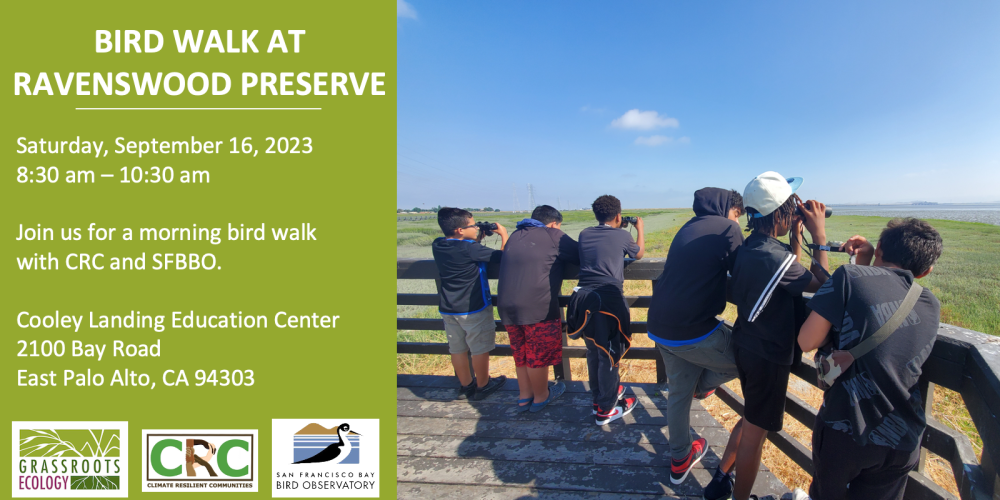
Join Grassroots Ecology, Climate Resilient Communities, and San Francisco Bay Bird Observatory for a bird walk along the East Palo Alto marsh - no prior birding experience is required!
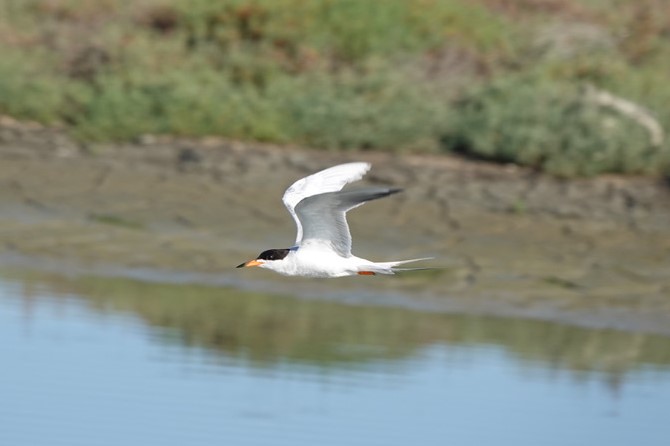
As we celebrate the South Bay Salt Pond Restoration's 20th anniversary, Don Edwards San Francisco Bay National Wildlife Refuge's 51st, and World Conservation Day, you can come explore a Menlo Park hidden gem for migratory shorebirds and nesting waterbirds!
You'll take a leisurely stroll with Wildlife Biologist Rachel Tertes along a Ravenswood pond with bird nesting islands just south of Dumbarton Bridge. You'll view a variety of waterbirds, including nesting terns and early visitors from the fall shorebird migration, and learn about the Restoration Project.
The South Bay Salt Pond Restoration Project aims to restore many former salt production ponds, now managed for wildlife and water quality, to tidal marsh.
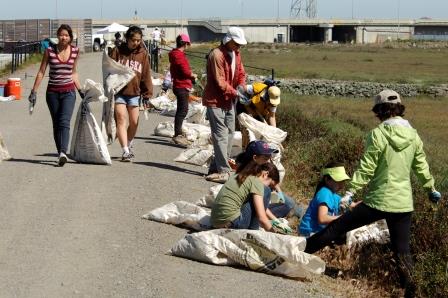
Join Save The Bay at Eden Landing Ecological Reserve to help restore former industrial salt ponds into healthy salt marsh habitat!
Save The Bay staff and volunteers will pull invasive plants using hand picks and gloves to give the native marsh plants put in over the winter a chance to establish themselves.
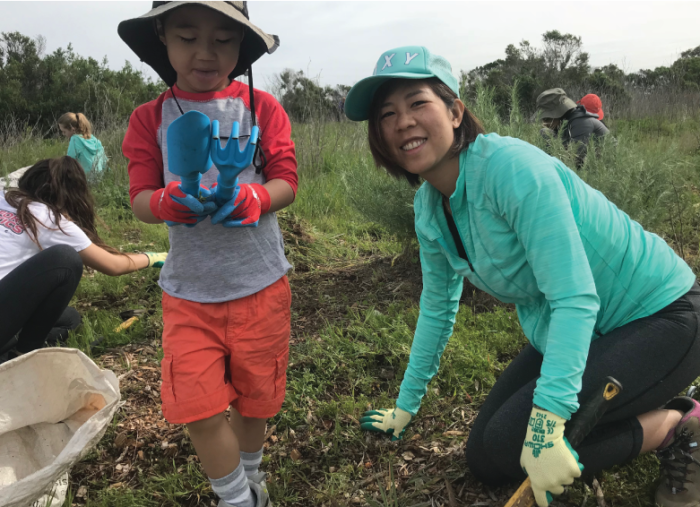
You can come join Save The Bay at the Restoration Project’s Ravenswood Ponds to help clear invasive plants and make room for native seedlings!
Native plants are the backbone holding the earth at the newly constructed All American Canal upland transition zone together. The invasive species we will be pulling threaten to crowd them out and deprive all of the species (including humans!) that benefit from healthy salt marshes.
EXECUTIVE SUMMARY
The South Bay Salt Pond Restoration Project (SBSPRP) is restoring over 15,000 acres of former salt
evaporation ponds to a mix of tidal marsh and ponded wetland habitats. These wetlands provide habitat
EXECUTIVE SUMMARY
The South Bay Salt Pond Restoration Project (SBSPRP) is restoring over 15,000 acres of former
salt evaporation ponds to a mix of tidal marsh and ponded wetland habitats. These wetlands
EXECUTIVE SUMMARY
The South Bay Salt Pond Restoration Project (SBSPRP) is restoring over 15,000 acres of former
salt evaporation ponds to a mix of tidal marsh and ponded wetland habitats. These wetlands
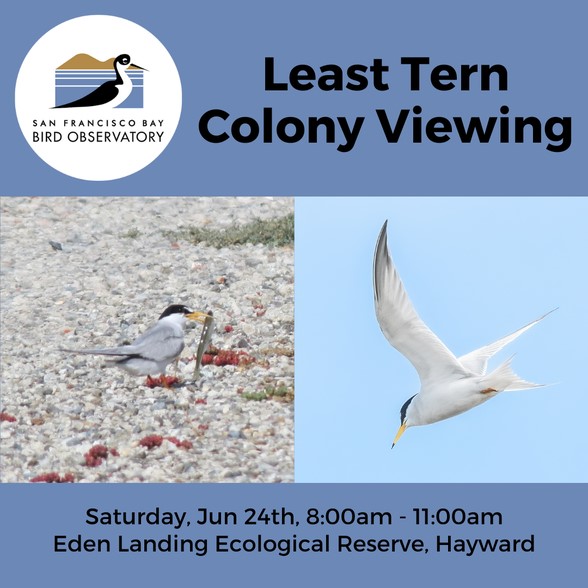
Join biologists at Eden Landing Ecological Reserve to view one of the few breeding colonies of the endangered California Least Tern in the San Francisco Bay!
The group at the free San Francisco Bay Bird Observatory (SFBBO) event will look for adults incubating nests, young downy chicks being fed by their parents, older feathered chicks running around the colony, and fledglings learning to fly!
Participants are urged to bring their own spotting scopes. SFBBO will have a few to share.
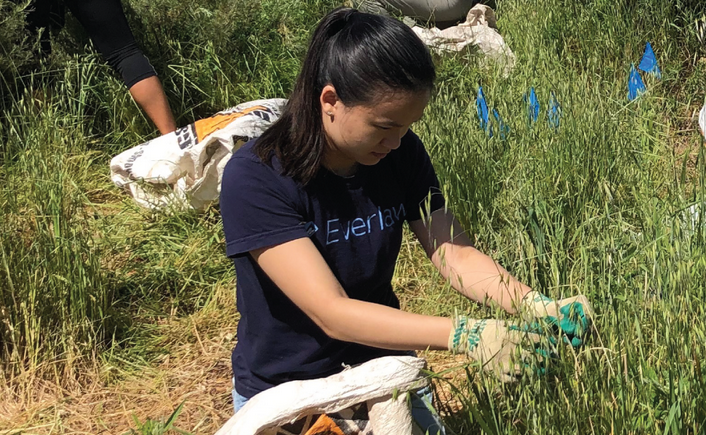
Come join Save The Bay at their Ravenswood site to participate in California Invasive Species Action Week! Invasive species degrade habitat by crowding out the California native species that our landscapes and wildlife have adapted to live with. The crew will be pulling invasive plant species to make way for the native plants that Save The Bay staff and volunteers put in the ground earlier this year to support healthy salt marsh ecosystems. Please dress according to weather and bring water.
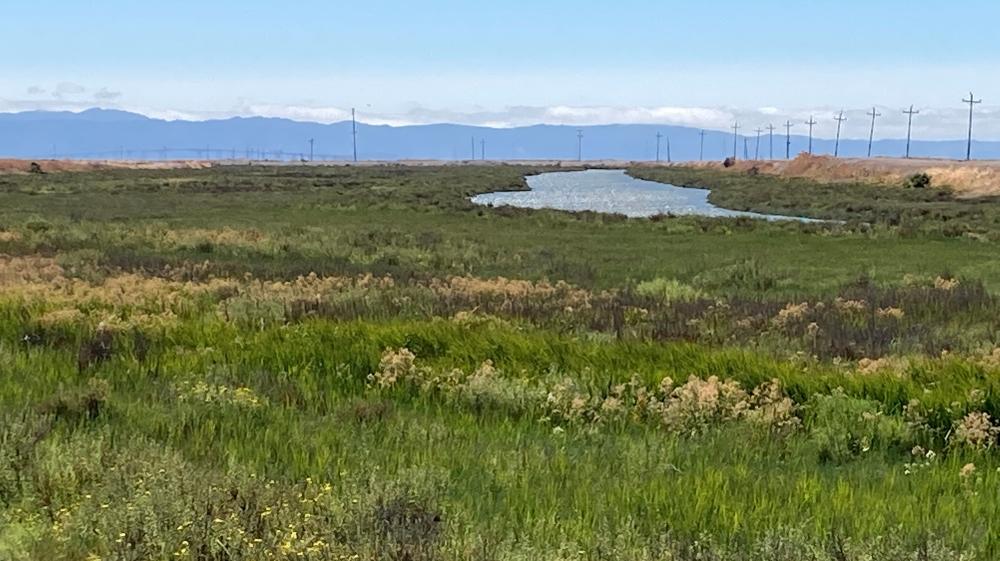
Join us for a walking tour to learn about South Bay Salt Pond Restoration Project Phase 2 recreation, restoration and flood risk management plans for southern Eden Landing.
The 2- to 3-mile guided field tour will be held, along with a van tour that required RSVPs and now has full registration, at the California Department of Fish and Wildlife’s reserve. The walking tour does not require reservations.
San Francisco Bay supports thousands of breeding waterbirds annually and historically has hosted large populations of American avocets (Recurvirostra americana), black-necked stilts (Himantopus mexicanus), and Forster’s terns (Sterna forsteri).
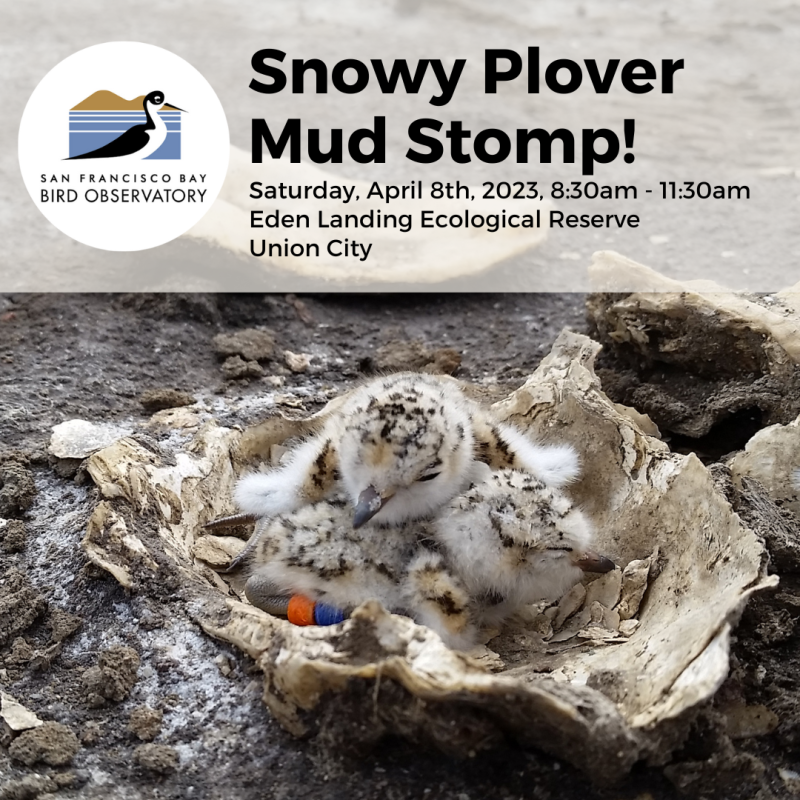
Come to Eden Landing to stomp mud, all to help a threatened little bird!
Join the San Francisco Bay Bird Observatory at a new restoration site at the California Department of Fish and Wildlife's Eden Landing Ecological Reserve in Union City.
It is two decades now since some 23 square miles of South Bay salt evaporation ponds became public property. Eighty-eight old impoundments were to be remade into habitat for birds and other creatures—and into a superior flood-control buffer for communities beside the rising Bay.
Join the U.S. Fish and Wildlife Service for Earth Day at the Refuge to celebrate our Earth and its endangered species & learn how we can do our part to protect them!
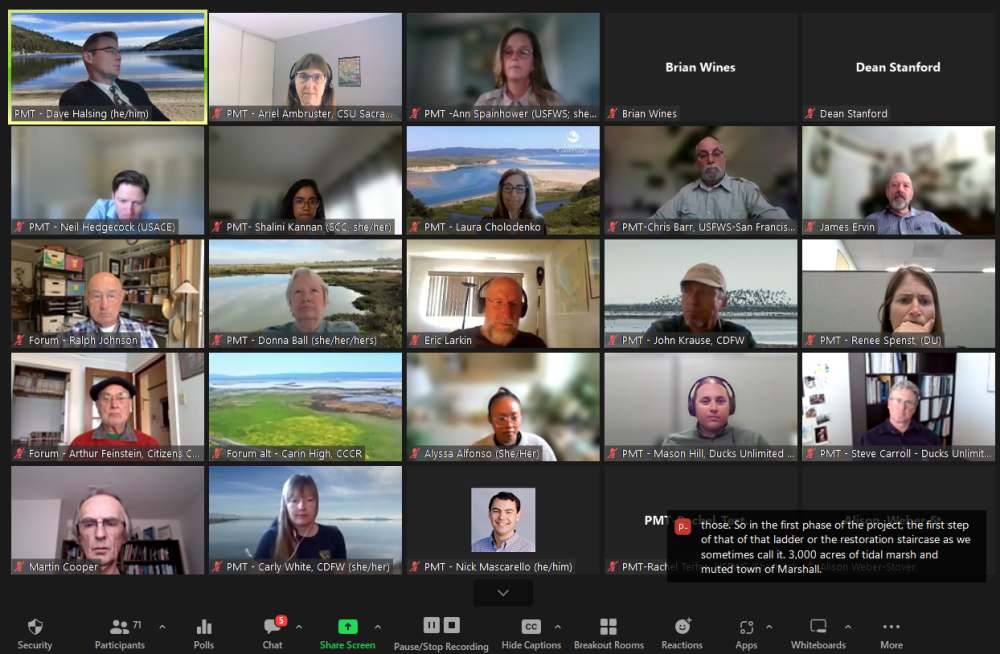
More than 70 members of the Stakeholder Forum and the public participated in this periodic public meeting to inform and dialogue about the Restoration Project's latest construction work and science.
The event began with a half-hour pre-meeting mixer for casual conversation. The formal portion of the meeting took place from 9:30 a.m. to Noon, ending with an optional open house to allow time for remaining questions and comments.
The South Bay Salt Pond Restoration Project (SBSPRP) encompasses over 6,000 hectares of former salt production ponds along the south edge of the San Francisco Bay and represents t
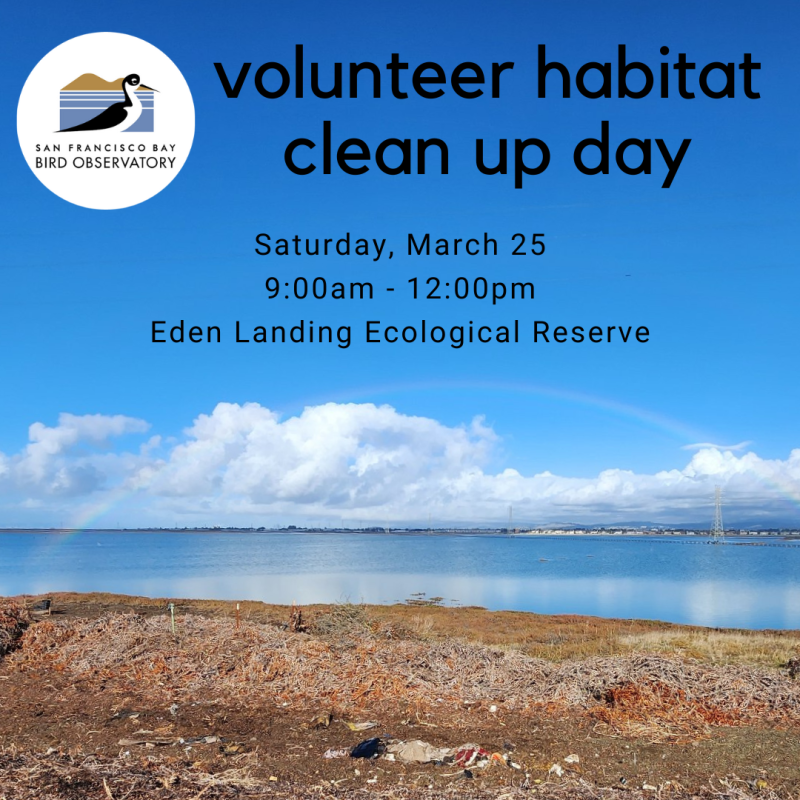
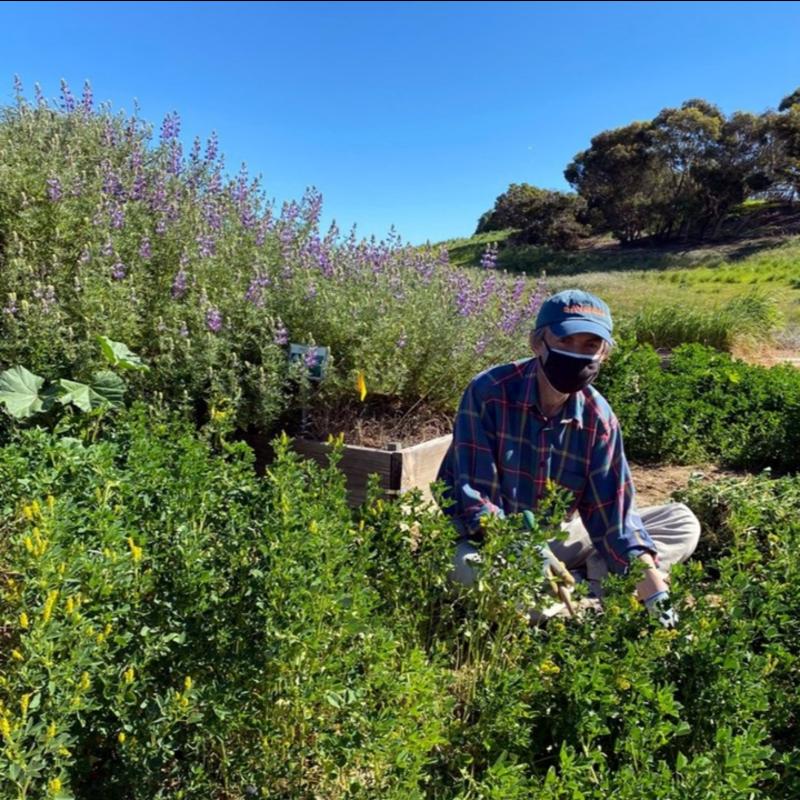
Join Save the Bay March 18th at Eden Landing to help weed, mulch, and maintain our beautiful new native plants, just planted in January! Please dress for any weather (we will run programs in light rain), wear closed toed shoes, and bring water.
Come join Save The Bay at Eden Landing to help with maintena
Come join Save The Bay at their Ravenswood site to help remo
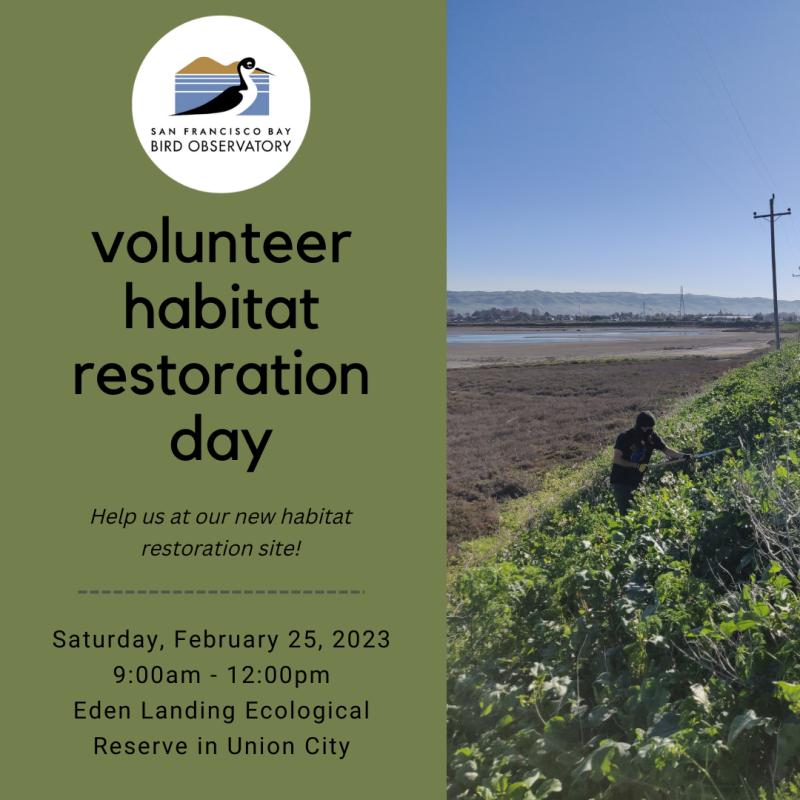
Join ecologists with the San Francisco Bay Bird Observatory (SFBBO) to help restore habitat for birds and other wildlife at Eden Landing Ecological Reserve in Union City! Volunteers will get to tour a brand new South Bay Salt Pond Restoration Project restoration site that was just seeded and planted by SFBBO in fall-winter 2022-2023. The restoration site is not normally accessible to the public, so volunteers will get special access to a restricted area while helping us remove invasive weeds like wild radish, mustard, and poison hemlock.
Join Save The Bay on the shoreline at Eden Landing Ecological Reserve to help take care of their brand new site along the road to the kayak launch. They’ll be weeding, mulching, and watering the native plants that are going out this winter. Save The Bay strives to include volunteers of all abilities in their programs.
Register here.
If you have specific access needs, please reach out to [email protected] to coordinate.
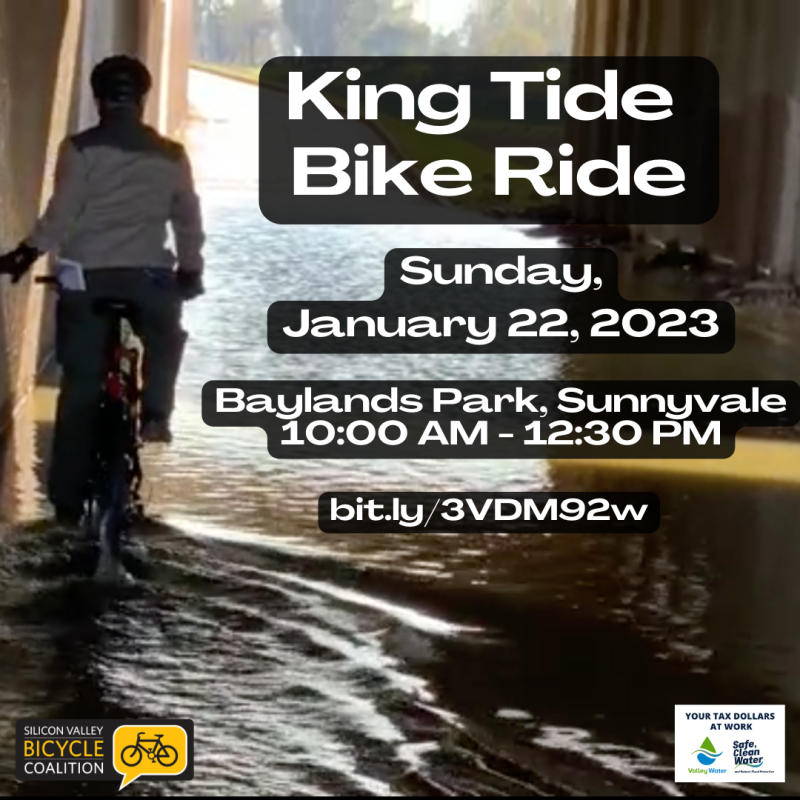
Join us on a 2-mile bike ride along the San Francisco Bay Shoreline to Alviso to see the highest tides of the year. Meet at Baylands Park, Sunnyvale, and join Silicon Valley Bicycle Coalition to see how the South Bay is responding with massive construction projects to combat the effects of climate change and sea level rise.
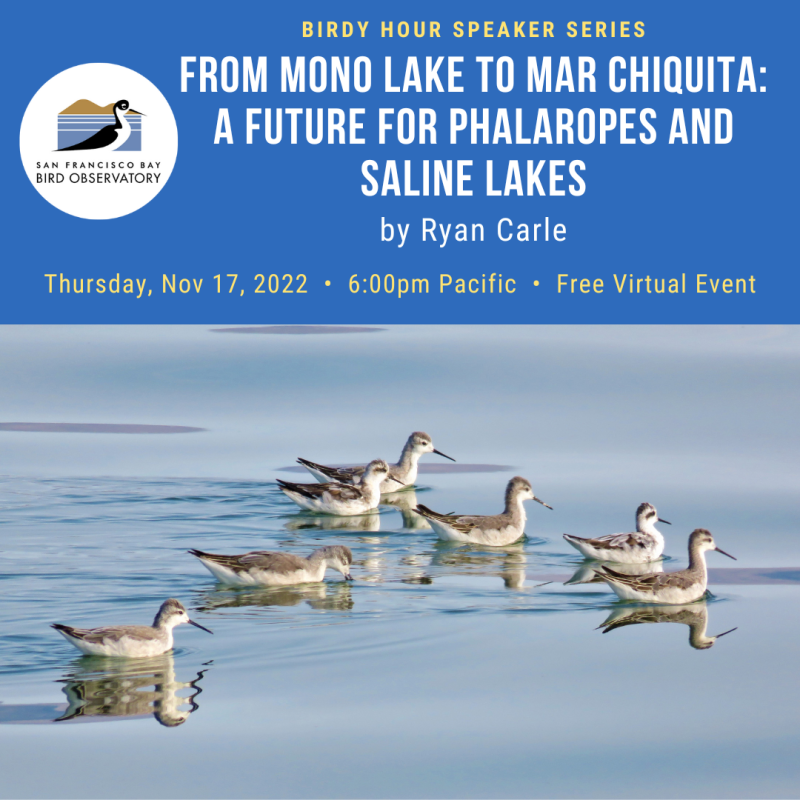
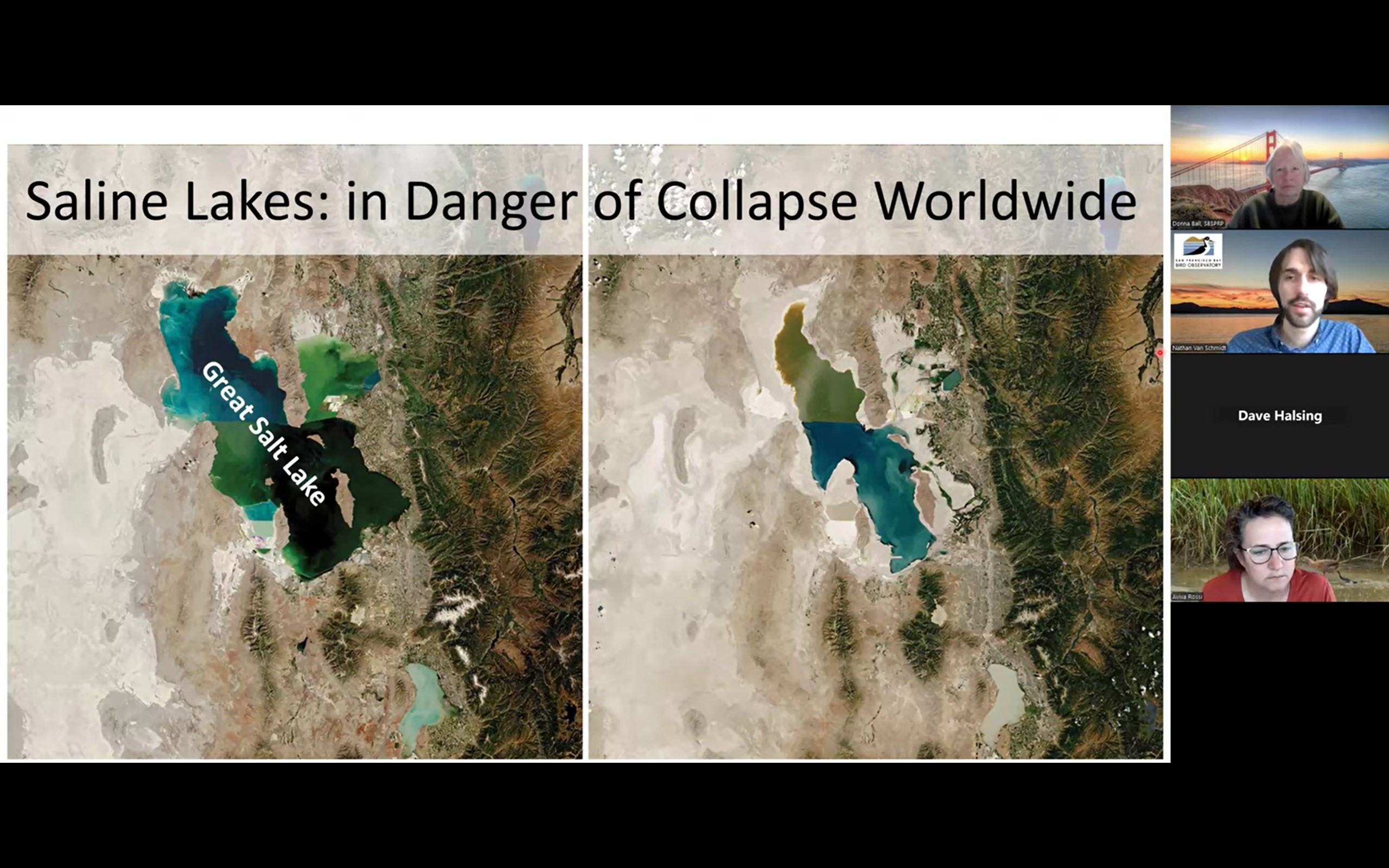
Wilson's and Red-necked Phalaropes are tiny but charismatic shorebirds that rely on saline lakes like Mono Lake and Owens Lake as their most critical gas stations on their epic migration to South America. Saline lakes are threatened worldwide by water diversion and climate change, and presumably phalaropes are threatened along with them.
Save The Bay needs your help at its nursery in Bedwell Bayfront Park, Menlo Park. Habitat restorers and volunteers will be weeding and preparing plants for their journey to the outside world!
Registration Link
Website link
Upon registering, folks will receive confirmation and directions.
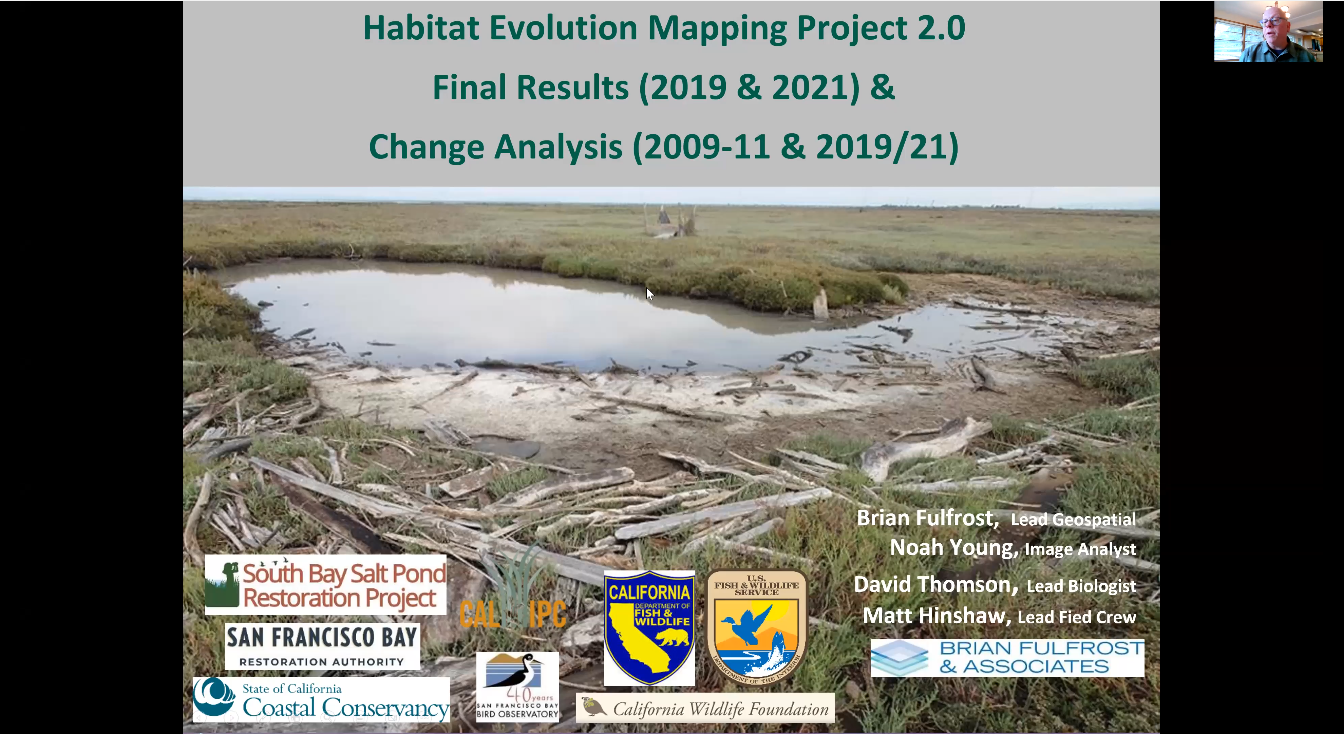
Despite fluctuations in acreages between years, the marshes and mudflat south of the San Mateo bridge appear relatively stable between the period 2009 – 2021, in that the relative proportions between different habitat types have not changed significantly. Within a number of restored ponds (
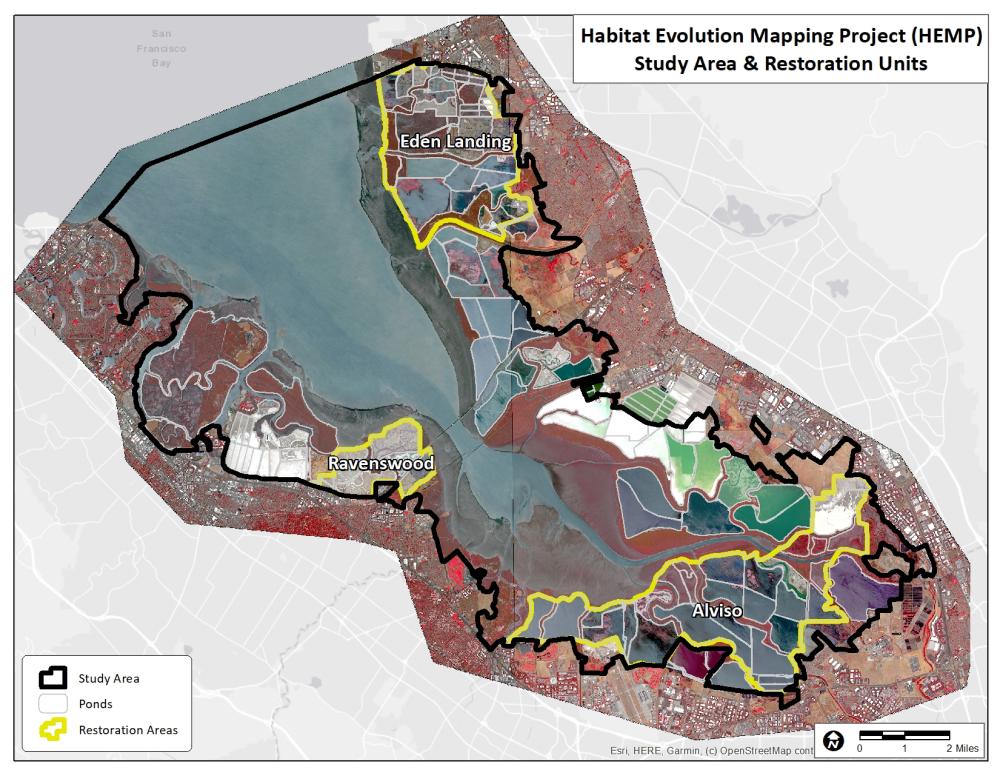
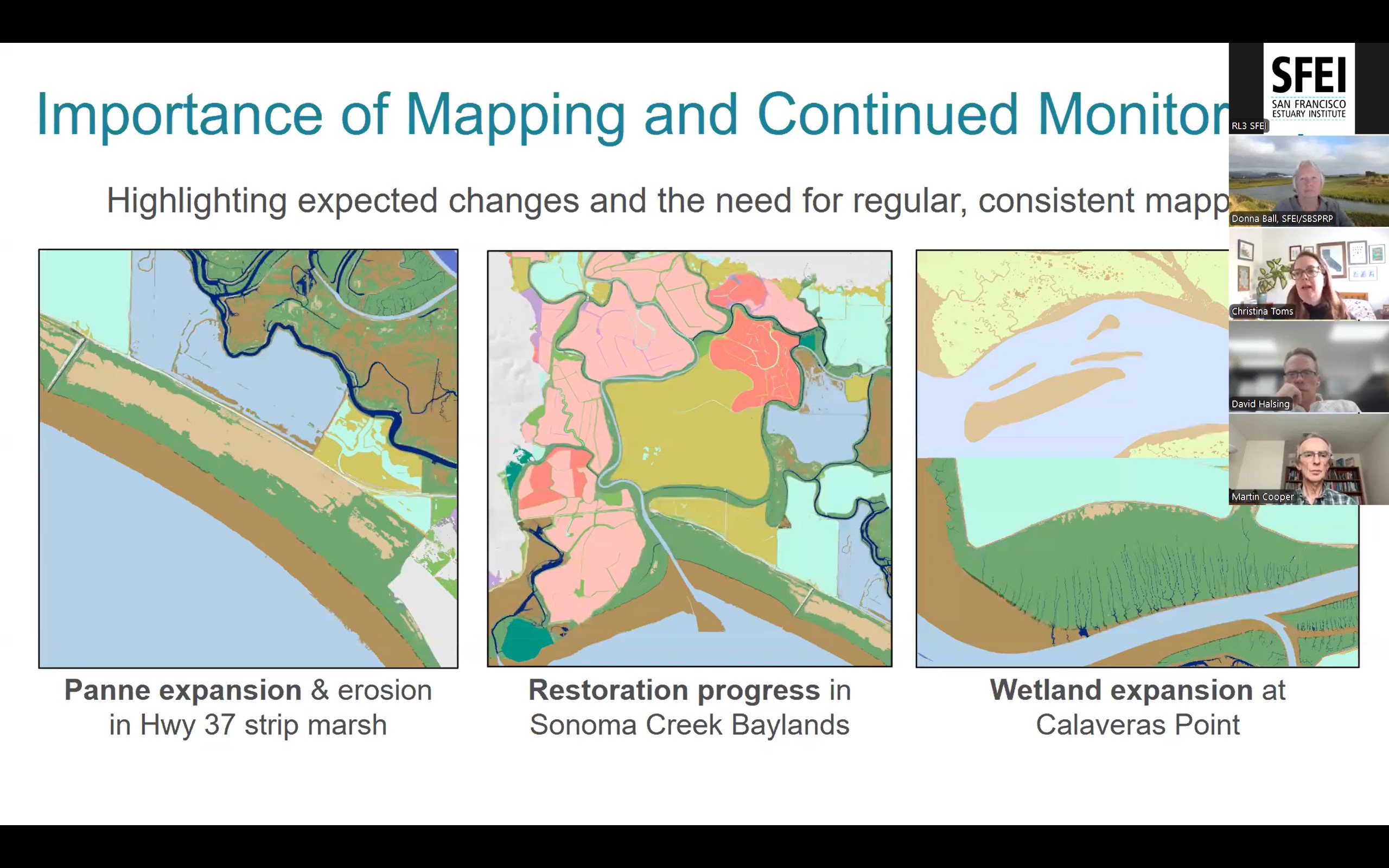
As part of its Adaptive Management Plan, the South Bay Salt Pond Restoration Project tracks habitat evolution and change in South San Francisco Bay, with particular focus on changes to marsh vegetation and mudflat acreages.
United States Government Accountability Office (GAO) Report to the Committee on Transportation and Infrastructure,
House of Representatives
Want to learn more about the large-scale restoration projects taking place around the San Francisco Bay? Interested in how the Don Edwards San Francisco Bay National Wildlife Refuge and its partners undertake daily restoration activities? Looking to improve your outdoor spaces and make them more watershed-friendly and drought-resistant?
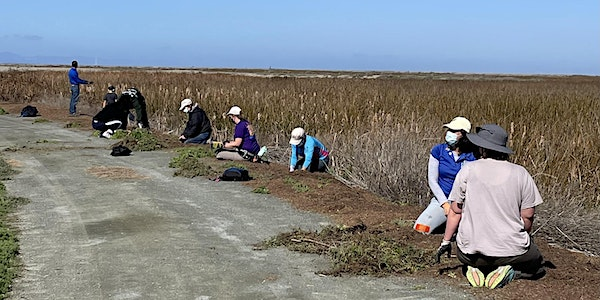
Help restore our Bay and get some much needed fresh air at the Refuge!
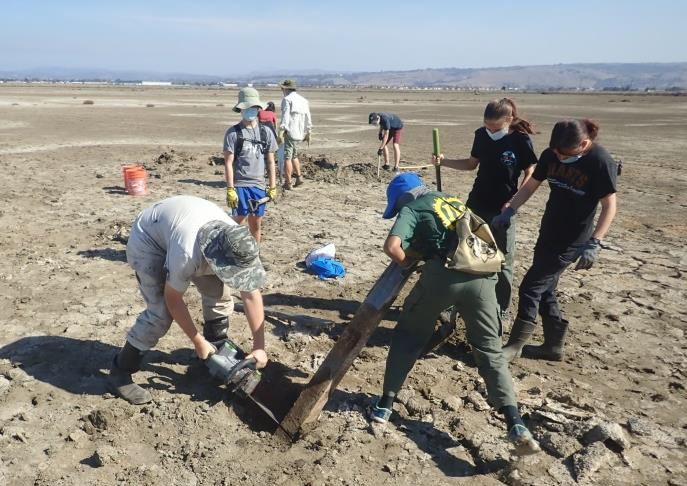
Join the San Francisco Bay Bird Observatory to help enhance habitat for snowy plovers and least terns!
Volunteers will gather at the California Department of Fish and Wildlife's Eden Landing Ecological Reserve in Hayward to remove predator perches, trim overgrown vegetation, and spread oyster shells to help camouflage the protected birds from predators. These activities will help improve the breeding success of these protected species.
Eden Landing supports a large proportion of the Bay's plover and least tern breeding each year.
PURPOSE: This technical note is part of a series collaboratively produced by the US Army Corps of Engineers (USACE)–Institute for Water Resources (IWR) and the US Army Engineer Research and Development Center (ERDC).
You are invited to a celebratory Don Edwards San Francisco Bay National Wildlife Refuge 50th anniversary open house, including guided walks, ranger talks, crafts and activities, refreshments, and fun for all!
Here is the day's activities:
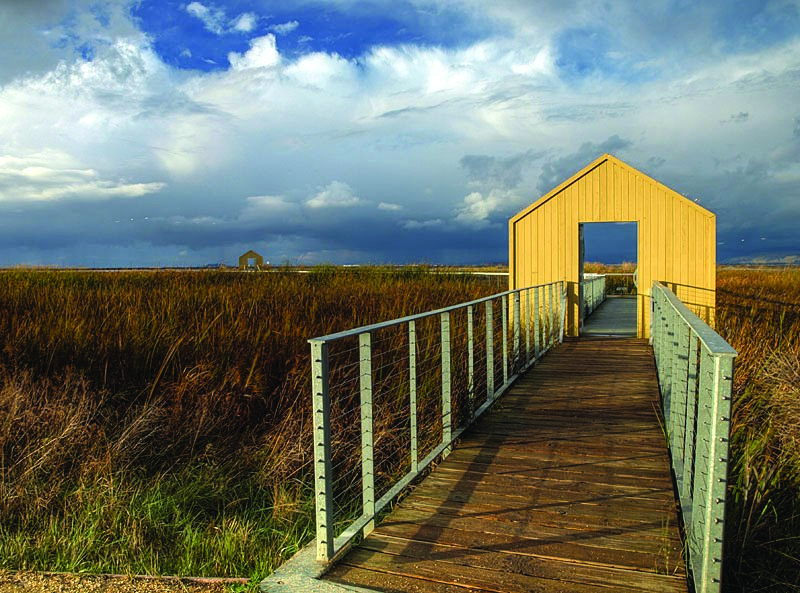
Weeding Party: You are invited to join Santa Clara County Parks Natural Resource Management team, in partnership with San Francisco Bay Bird Observatory, in their efforts to restore the coastal habitat of Alviso Marina County Park.
Volunteers will assist in the removal of invasive plants and the spreading of mulch in preparation for the planting of native plants.
Please bring sturdy gloves, closed toe shoes (boots if possible), and your can-do attitudes! Youth and families are invited to participate.
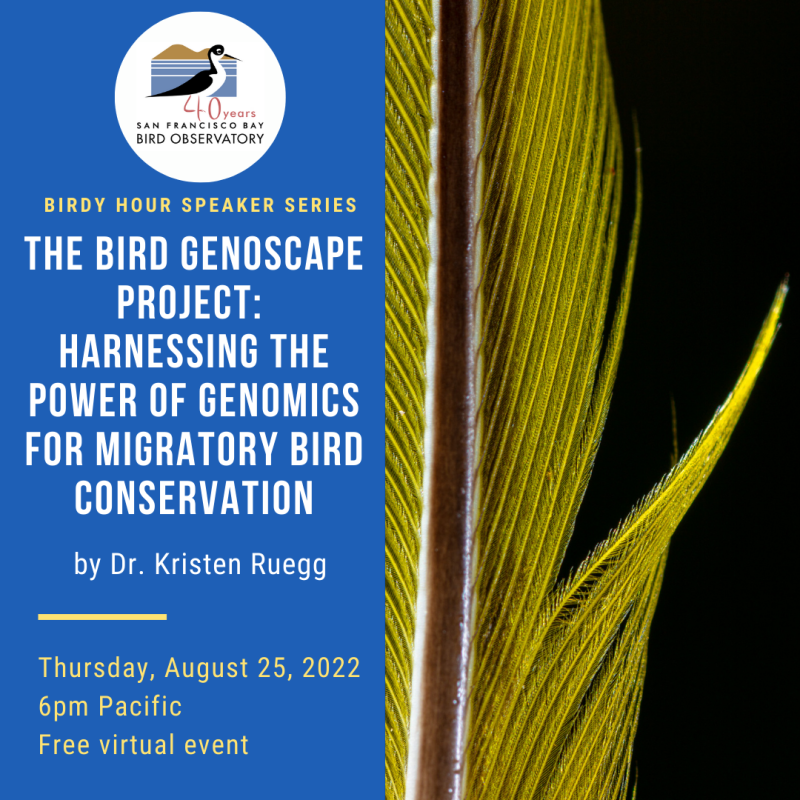
This dataset includes mercury and other constituent concentration and physical properties data for surface sediment, pore water and surface water collected as part of the South San Francisco Bay Salt Pond Restoration Phase 1 (2010 to 2018) studies.
Harris-Lovett, S., Bradt, J., Juvera, L., Nutters, H., and Wren, I. Nature Based Solutions for Coastal Resilience, Habitat Enhancement, and Water Quality Improvement at the San Francisco Bay Shoreline: Challenges, Solutions, and Next Steps.
A yearly snapshot of Project milestones and assessment of progress toward meeting restoration, public access and flood management goals
A yearly snapshot of Project milestones and assessment of progress toward meeting restoration, public access and flood management goals
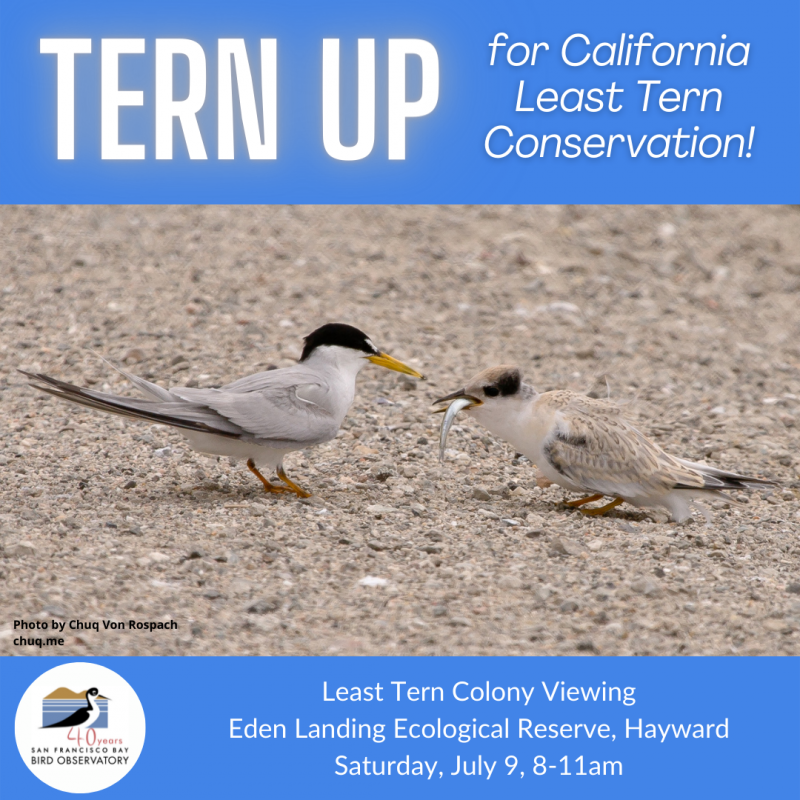
Join San Francisco Bay Bird Observatory biologists at Eden Landing Ecological Reserve to view one of only six San Francisco Bay breeding colonies of endangered California least terns.
The group at the free event will look for adults incubating nests, young downy chicks being fed by their parents, older feathered chicks running around the colony, and fledglings learning to fly.
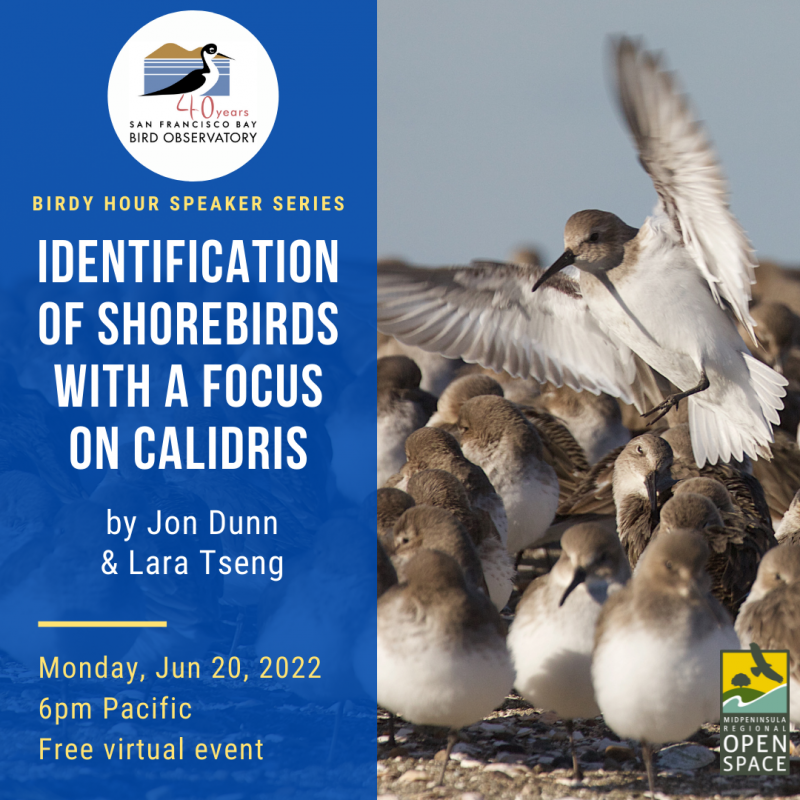
Shorebirds are an exciting yet vexing group for birders to identify. At this free virtual event, Jon Dunn and Lara Tseng will discuss sandpipers: not only their identification, but also plumages, structure, molts, behavior, status and distribution. They will also talk about how to look at and study shorebirds – doing so requires some memorization but more importantly patience, love, and understanding of the many varied species in these families.
2021 Self-Monitoring Report prepared for USFWS's Don Edwards SF Bay National Wildlife Refuge
Coastal communities around the world are facing increased coastal flooding and shoreline erosion from factors such as sea-level rise and unsustainable development practices.
This report conveys the results of the 2005 nesting waterbird monitoring program, led by the San Francisco Bay Bird Observatory.
This report conveys the results of the 2006 nesting waterbird monitoring program, led by the San Francisco Bay Bird Observatory.
This report conveys the results of the 2007 nesting waterbird monitoring program, led by the San Francisco Bay Bird Observatory.
This report conveys the results of the 2008 nesting waterbird monitoring program, led by the San Francisco Bay Bird Observatory.
This report conveys the results of the 2009 nesting waterbird monitoring program, led by the San Francisco Bay Bird Observatory.
This report conveys the results of the 2010 nesting waterbird monitoring program, led by the San Francisco Bay Bird Observatory.
This report conveys the results of the 2011 nesting waterbird monitoring program, led by the San Francisco Bay Bird Observatory.
This report conveys the results of the 2012 nesting waterbird monitoring program, led by the San Francisco Bay Bird Observatory.
This report conveys the results of the 2013 nesting waterbird monitoring program, led by the San Francisco Bay Bird Observatory.
This report conveys the results of the 2014 nesting waterbird monitoring program, led by the San Francisco Bay Bird Observatory.
This report conveys the results of the 2016 nesting waterbird monitoring program, led by the San Francisco Bay Bird Observatory.
This report conveys the results of the 2017 nesting waterbird monitoring program, led by the San Francisco Bay Bird Observatory.
This report conveys the results of the 2018 nesting waterbird monitoring program, led by the San Francisco Bay Bird Observatory.
This report conveys the results of the 2019 nesting waterbird monitoring program, led by the San Francisco Bay Bird Observatory.
This report conveys the results of the 2020 nesting waterbird monitoring program, led by the San Francisco Bay Bird Observatory.
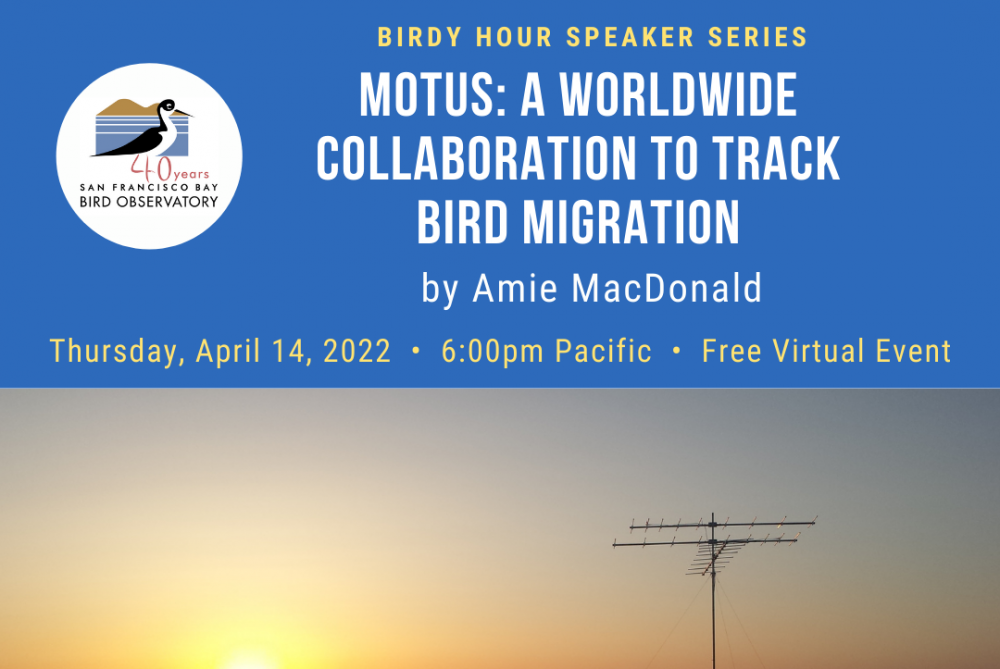
Amie MacDonald at the San Francisco Bay Bird Observatory's Birdy Hour Speaker Series discusses the latest technological approach to tracking bird migration.
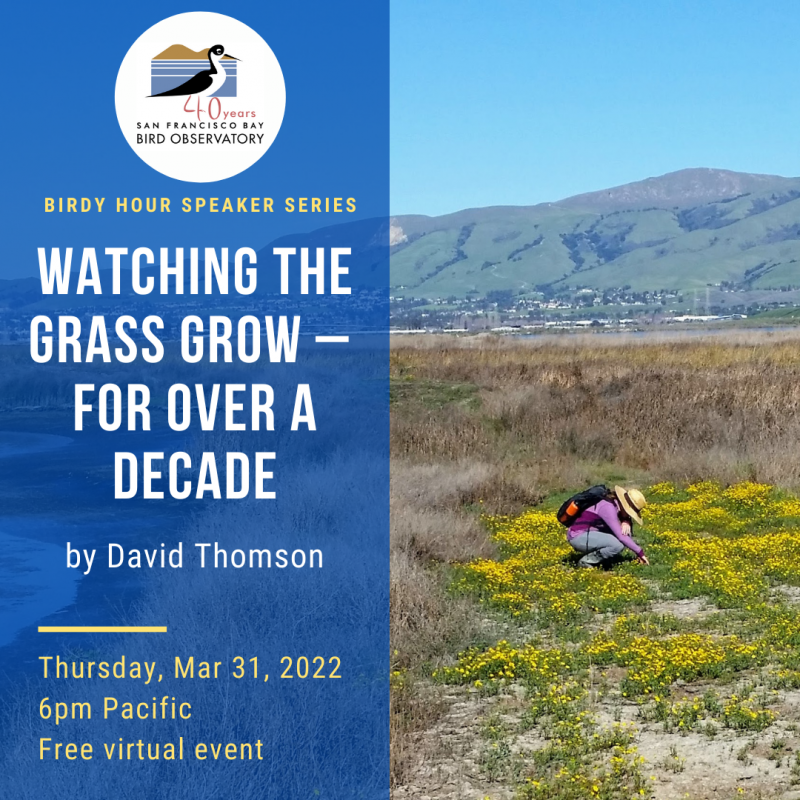
David Thomson, founder of San Francisco Bay Bird Observatory's Habitats Program, will discuss upland transition zone strategies and other activities of the Habitats Program during more than a decade of work at SFBBO's latest Birdy Hour.
The San Francisco Bay Bird Observatory (SFBBO), USFWS Don Edwards San Francisco Bay National Wildlife Refuge (Refuge), California Department of Fish and Wildlife (CDFW), Hayward Area Recreation and Park District (HARD), East Bay Regional Park District (EBRPD), USFWS Bay Delta Fish and Wildlife Of
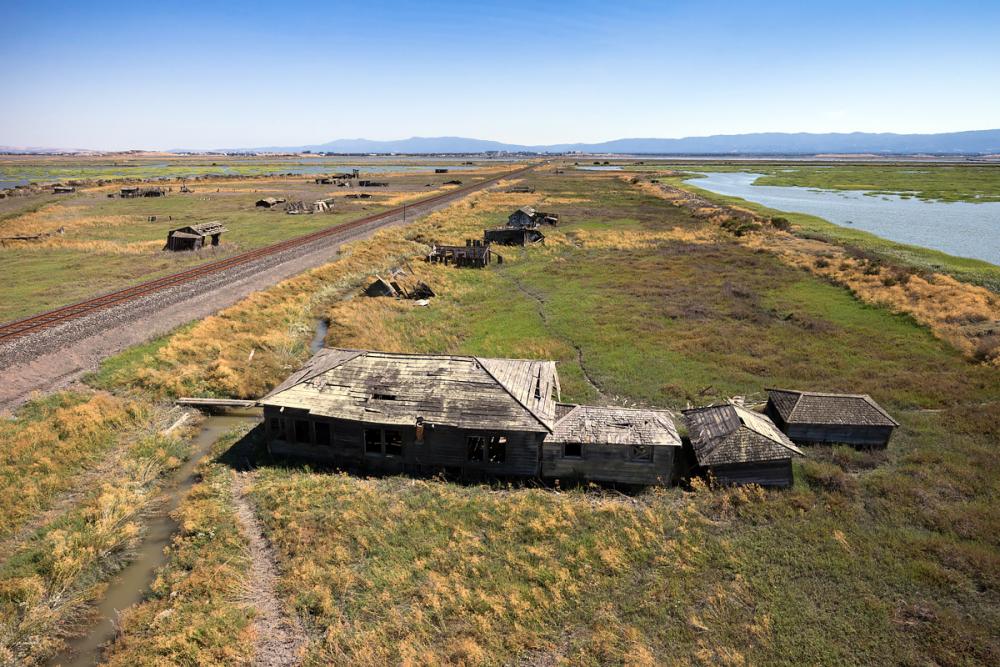
Join Ceal Craig, Ph.D., a 20+ year volunteer for the U.S.
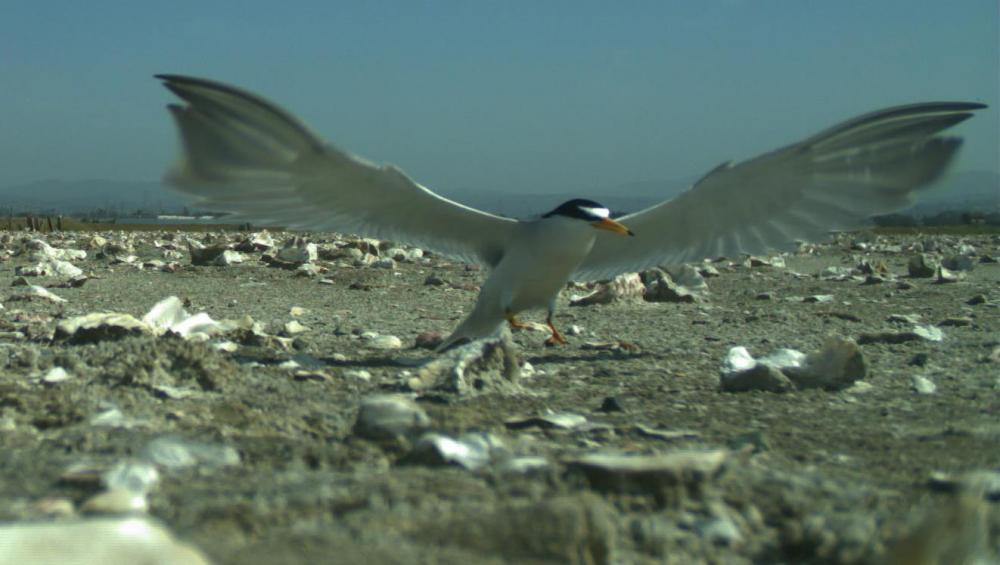
Join San Francisco Bay Bird Observatory at Eden Landing to help enhance habitat for endangered California least terns!
Volunteers will join SFBBO staff at Pond E14 in Eden Landing Ecological Reserve, which supports one of only six Least Tern breeding colonies in the San Francisco Bay estuary!
Help restore our Bay and get some much needed fresh air at the Refuge.
Join us for the San Francisco Bay Bird Observatory's annual event to help enhance habitat for western snowy plovers!
10:00 AM - 12:00 PM
City of Sunnyvale
Council Chambers, City Hall
456 West Olive Avenue, Sunnyvale, CA [map]
Dave Halsing, Restoration Project Executive Project Manager, will share information about wetlands restoration at a group bike ride along the Bay Trail in Mountain View. Mountain View Council Member Pat Showalter and environmental advocate Lenny Siegel will also participate in the event, which will include information about environmental issues at Moffett Field. The bike ride is sponsored by Balanced Mountain View and the Silicon Valley Bicycle Coalition, with support from Mountain View Coalition for Sustainable Planning (MVCSP) and GreenSpacesMV.
Wilson’s and red-necked phalaropes (Phalaropus tricolor and P. lobatus, respectively), have
poorly understood conservation statuses. These species breed in northerly latitudes of North
America to migrate to staging areas at saline lakes in western North America, before migrating to
In south San Francisco Bay, former salt ponds now managed as wildlife habitat support large populations of breeding waterbirds. In 2006, the South Bay Salt Pond Restoration Project began the process of converting 50% to 90% of these managed pond habitats into tidal marsh.
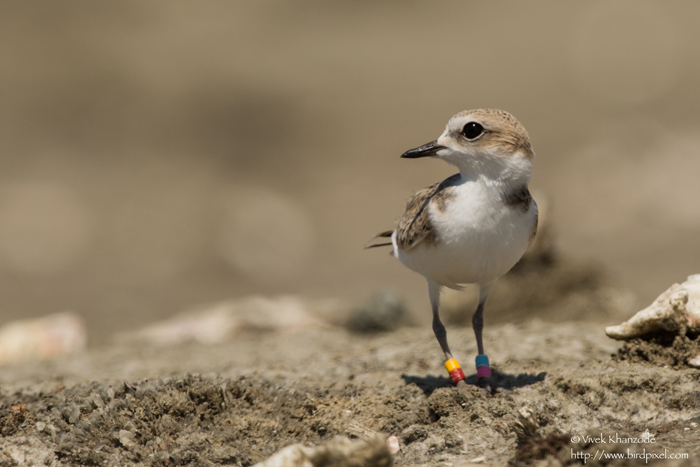
Join the plucky group of volunteers who will meet at Eden Landing Ecological Reserve in Hayward to improve the lot of least terns and western snowy plovers by spreading oyster shells, removing predator perches, and improving foraging habitat for the listed species.
The 2nd annual event at the California Department of Fish and Wildlife reserve is sponsored by the San Francisco Bay Bird Observatory.
Volunteers are asked to bring face mask, work gloves, muck boots, and tools such as a shovel, pick, and saw. And, of course, water and snacks.
Refuge Ranger Miguel Marquez and Olivia Poulosthe, an Associate with the Watershed Watchers anti-pollution program, will lead this virtual tour of marsh habitat near the Don Edwards Refuge's Environmental Education Center in Alviso.
The event is part of a celebration o California Biodiversity Week, September 4-13. More information:
Celebrate California Biodiversity Week and learn about the Don Edwards SF Bay National Wildlife Refuge!
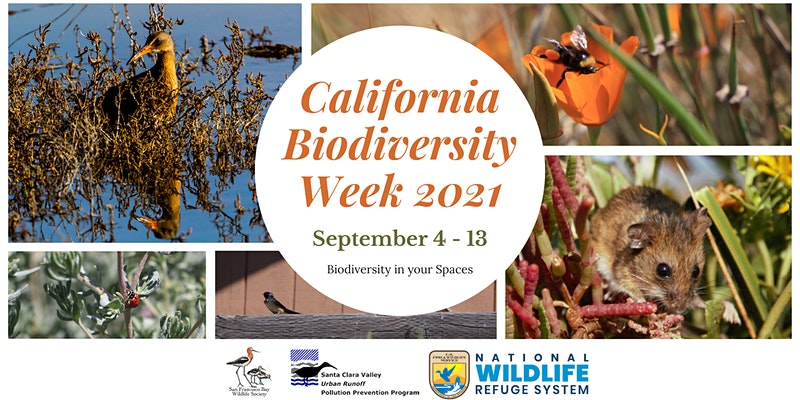
Join Don Edwards Refuge Wildlife Biologist Rachel Tertes for a virtual program on South San Francisco Bay salt marsh biodiversity. The event is part of a celebration o California Biodiversity Week, September 4-13. More information:
Celebrate California Biodiversity Week and learn about the Don Edwards SF Bay National Wildlife Refuge!
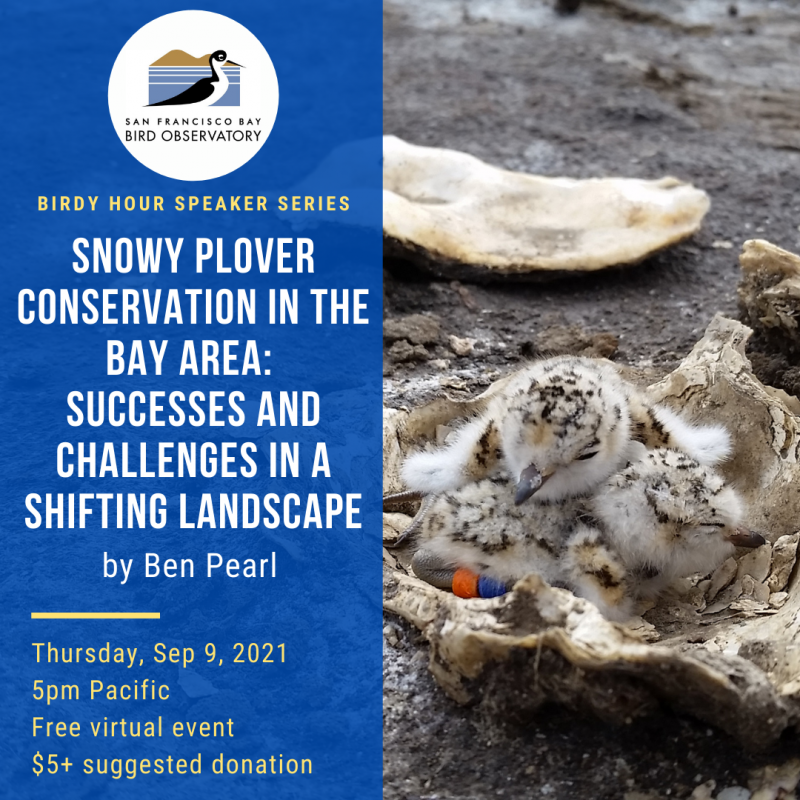
Join Ben Pearl, an SFBBO science director, for an update on recent Western Snowy Plover conservation efforts in Eden Landing and other parts of Alameda County.
Register here.
Further information:
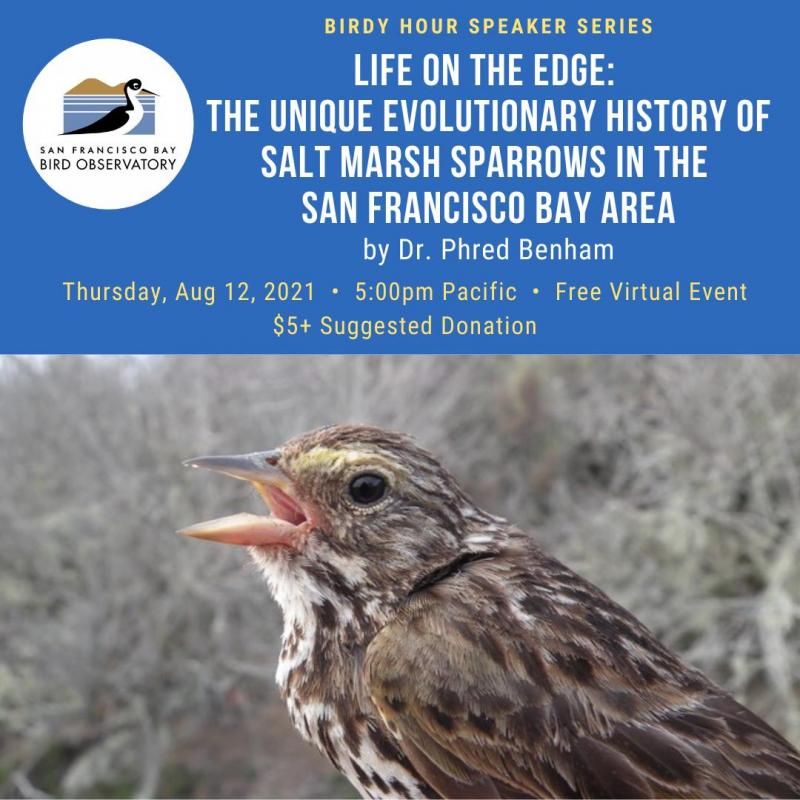
The San Francisco Bay Bird Observatory's latest Birdy Hour presentation features Dr. Phred Benham, a UC Berkeley post-doctoral researcher, discussing how salt marsh sparrows survive in the harsh edge ecologies of coastal salt marsh, exposed to high salinity, daily coastal flooding, and increasing human pressures on coastal habitats.
The free talk is recommended for ages high school and up.
For more information on the talk and Dr. Benham, or to register, see here.
This report outlines the preliminary results of the 2019 update to the original Habitat Evolution Mapping Project (HEMP). HEMP mapped the marshes and mudflats south of the San Mateo bridge yearly between 2009 and 2011.
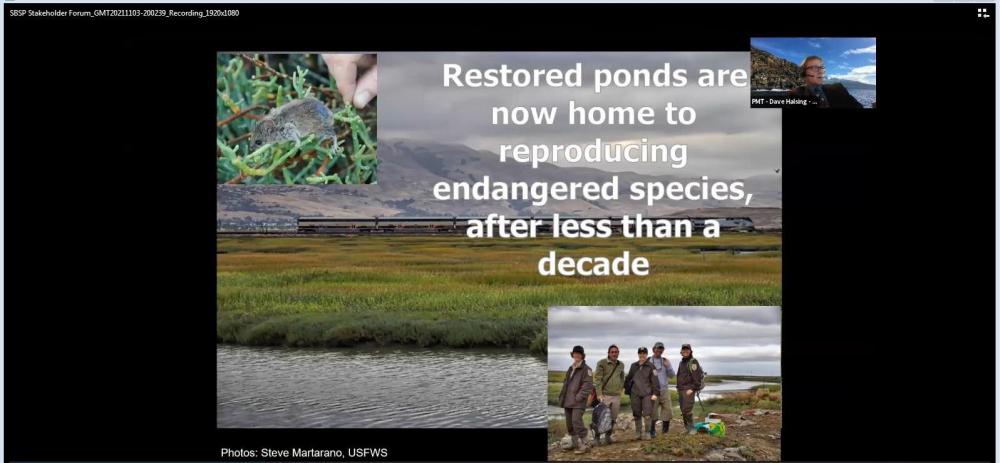
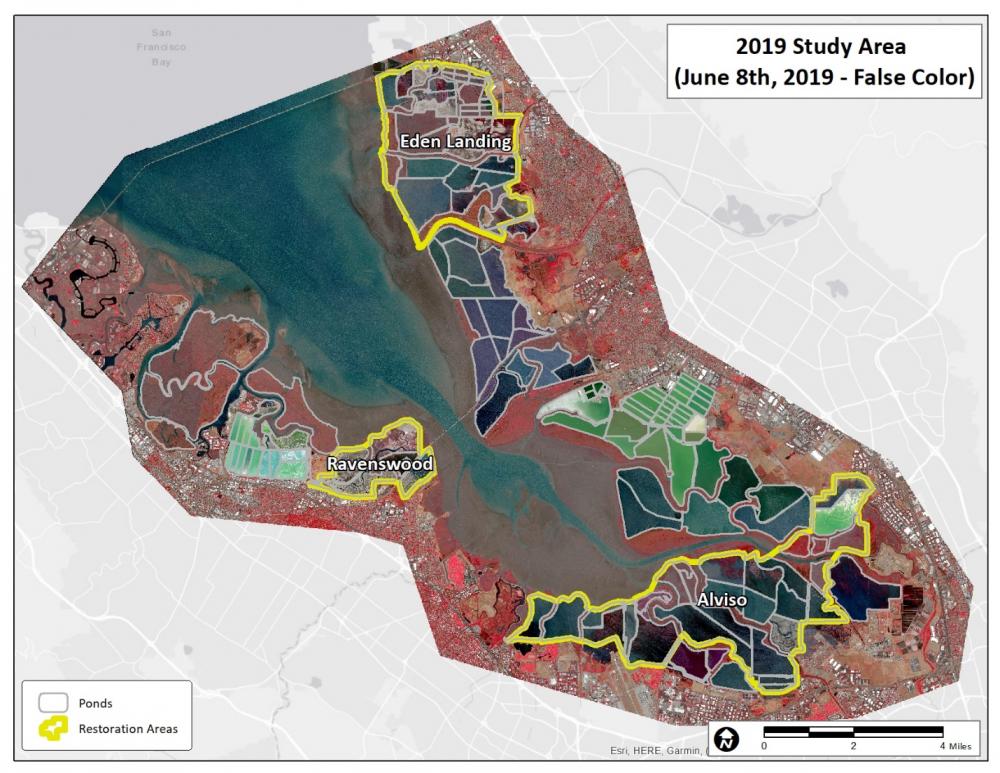
Project consulting scientist Brian Fulfrost of Brian Fulfrost & Associates shared information on his latest effort to use satellite imagery to map South Bay habitats. His background information on the project:
2020 Self-Monitoring Report prepared for CDFW's Baumberg Complex/Eden Landing Ecological Reserve in compliance with the San Francisco Bay Regional Water Quality Control Board.
2018 Self-Monitoring Report prepared for USFWS's Don Edwards SF Bay National Wildlife Refuge
2019/2020 Self-Monitoring Report prepared for USFWS's Don Edwards SF Bay National Wildlife Refuge
2012 Self-Monitoring Report prepared for CDFW's Baumberg Complex/Eden Landing Ecological Reserve in compliance with the San Francisco Bay Regional Water Quality Control Board.
2013 Self-Monitoring Report prepared for CDFW's Baumberg Complex/Eden Landing Ecological Reserve in compliance with the San Francisco Bay Regional Water Quality Control Board.
2014 Self-Monitoring Report prepared for CDFW's Baumberg Complex/Eden Landing Ecological Reserve in compliance with the San Francisco Bay Regional Water Quality Control Board.
2015 Self-Monitoring Report prepared for CDFW's Baumberg Complex/Eden Landing Ecological Reserve in compliance with the San Francisco Bay Regional Water Quality Control Board.
2016 Self-Monitoring Report prepared for CDFW's Baumberg Complex/Eden Landing Ecological Reserve in compliance with the San Francisco Bay Regional Water Quality Control Board.
2017 Self-Monitoring Report prepared for CDFW's Baumberg Complex/Eden Landing Ecological Reserve in compliance with the San Francisco Bay Regional Water Quality Control Board.
2018 Self-Monitoring Report prepared for CDFW's Baumberg Complex/Eden Landing Ecological Reserve in compliance with the San Francisco Bay Regional Water Quality Control Board.
2019 Self-Monitoring Report prepared for CDFW's Baumberg Complex/Eden Landing Ecological Reserve in compliance with the San Francisco Bay Regional Water Quality Control Board.
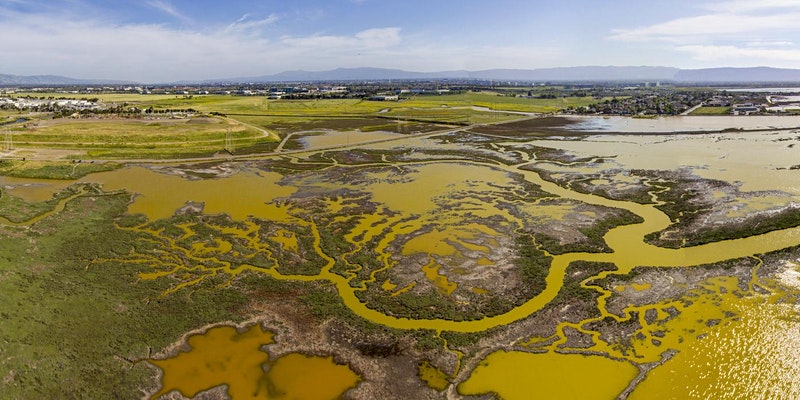
Watch the recording of this event.
Celebrate World Wetlands Day with us by learning about the largest wetland restoration project on the West Coast!
Interested in learning about the wetland restoration project happening here in the South Bay? Join the South Bay Salt Pond Restoration Project and San Francisco Bay Wildlife Society for an engaging and educational program featuring our Executive Project Manager, Dave Halsing.
This document extends/renews the permit issued by BCDC to CDFW for operations and maintenance actions at the Eden Landing Ecological Reserve.
Citation: Foxgrover, A.C., Finlayson, D.P., Jaffe, B.E., and Fregoso, T.A., 2011, Bathymetry and digital elevation models of Coyote Creek and Alviso Slough, South San Francisco Bay, California (ver. 5.0, June 2020): U.S.
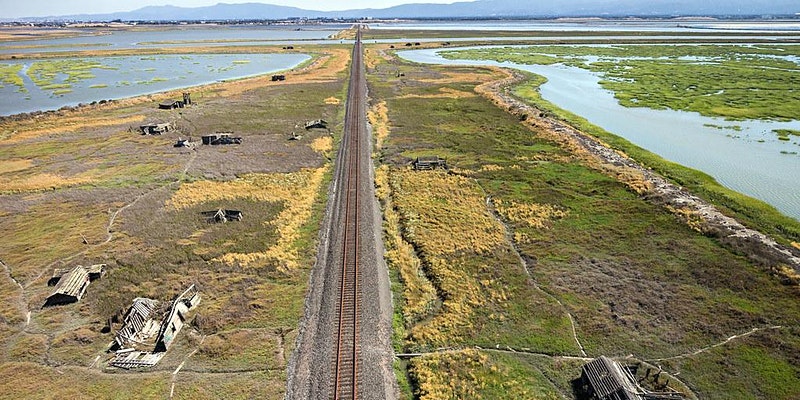
Behind the peaceful Don Edwards San Francisco Bay National Wildlife Refuge and beautiful San Francisco Bay are many fascinating tales: the little rail vs. the big rail, the mouse with the mighty tail, the amazing mistake that led to the discovery of the Bay, the marsh named after Chicago, how the Bay was nearly destroyed (twice!), how three women saved the Bay, why the Refuge was created, and many more! Join docent Larry Rosenblum as he recounts little-known tales that will give you an appreciation of the Refuge and the Bay.
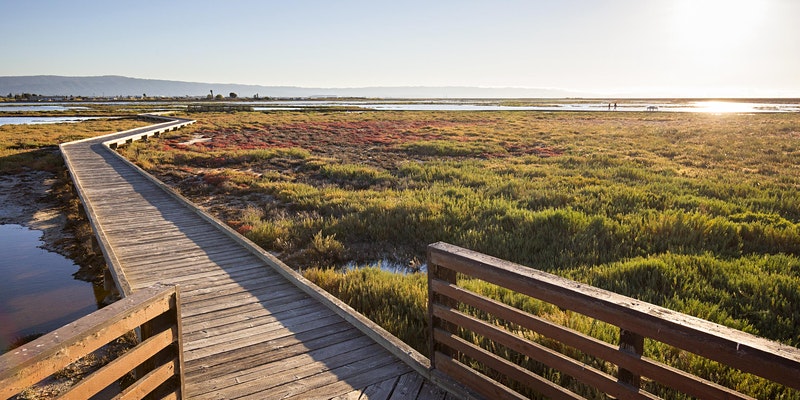
The Don Edwards San Francisco Bay National Wildlife Refuge was created in 1972, but this story starts 200 years earlier when Europeans discovered San Francisco Bay. Learn about the Bay’s history and the answers to mysteries such as: Why are mercury and gold a lethal duo? How did silver mining in Nevada affect the Bay? Why was Oscar the Grouch happier 60 years ago than today? Join docent Larry Rosenblum to discover the answer to these mysteries and others, then take a virtual tour through one of the marshes of the Refuge.
Map of the segment of the Bedwell Bayfront Park/Baytrail impacted by current construction.
This Science Program Framework provides a transparent, rational approach for identifying and implementing the most relevant science to inform restoration and management decisions in pursuit of the South Bay Salt Pond Restoration Project’s mission, which is the restoration and enhancement of wetla
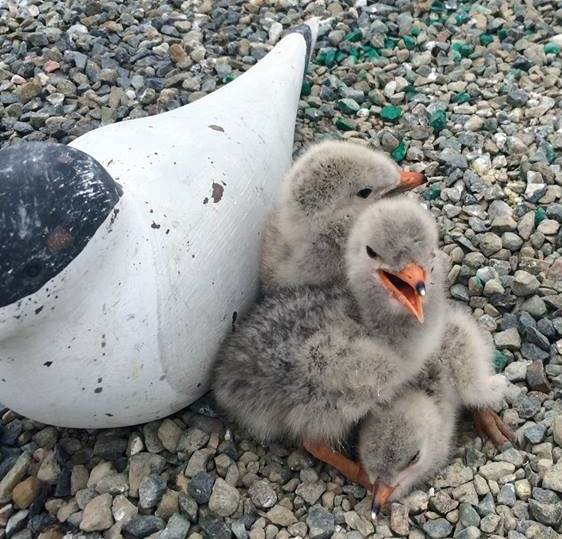
The San Francisco Bay Bird Observatory launches its Birdy Hour Speaker Series! This virtual Science Talk is free and family-friendly (recommended age: 5th grade & up). The talk by Dr. Alex Hartman of the U.S. Geological Society will focus on two recent successful social attraction projects at the U.S. Fish and Wildlife Service's Don Edwards San Francisco Bay National Wildlife Refuge: the establishment of Caspian tern nesting colonies in Alviso Pond A16 and Ravenswood Pond SF2, and the re-establishment of Forster’s tern nesting colonies in Pond A16.

Come join the San Francisco Bay Bird Observatory, the South Bay Salt Pond Restoration Project team, and others in the 1st annual California Least Tern Habitat Enhancement event!
To help these beautiful and interesting birds, we will be removing old wood structures and weedy vegetation, installing decoys and sound systems, and building shelters for least tern chicks. These efforts will improve the habitat quality for these endangered species and help boost their populations in the Bay Area.
Sad to say, but the Mud Stomp has rightly been cancelled because of concerns about COVID-19 and the need for social distancing.
Please stay well and plan on joining us in 2021 or for other habitat enhancement events in the future.
Donna has been a salt marsh ecologist on a variety of tidal restoration projects throughout San Francisco Bay and on the West Coast. Donna has spent the last 7 ½ years at Save The Bay as the Habitat Restoration Director, where she led projects to respond to sea level rise and climate change and restore salt marsh.
This article by local science writer Priyanka Runwal describes the work of Patty Oikawa and other researchers from Cal State University East Bay, in which they studied carbon sequestration in a restoring marsh at CDFW's Eden Landing Ecological Reserve.
Executive Summary
To address the 2008/2010 and Supplemental 2014 National Oceanic and Atmospheric
Administration Fisheries Biological Opinion for operation of the Federal Columbia River Power
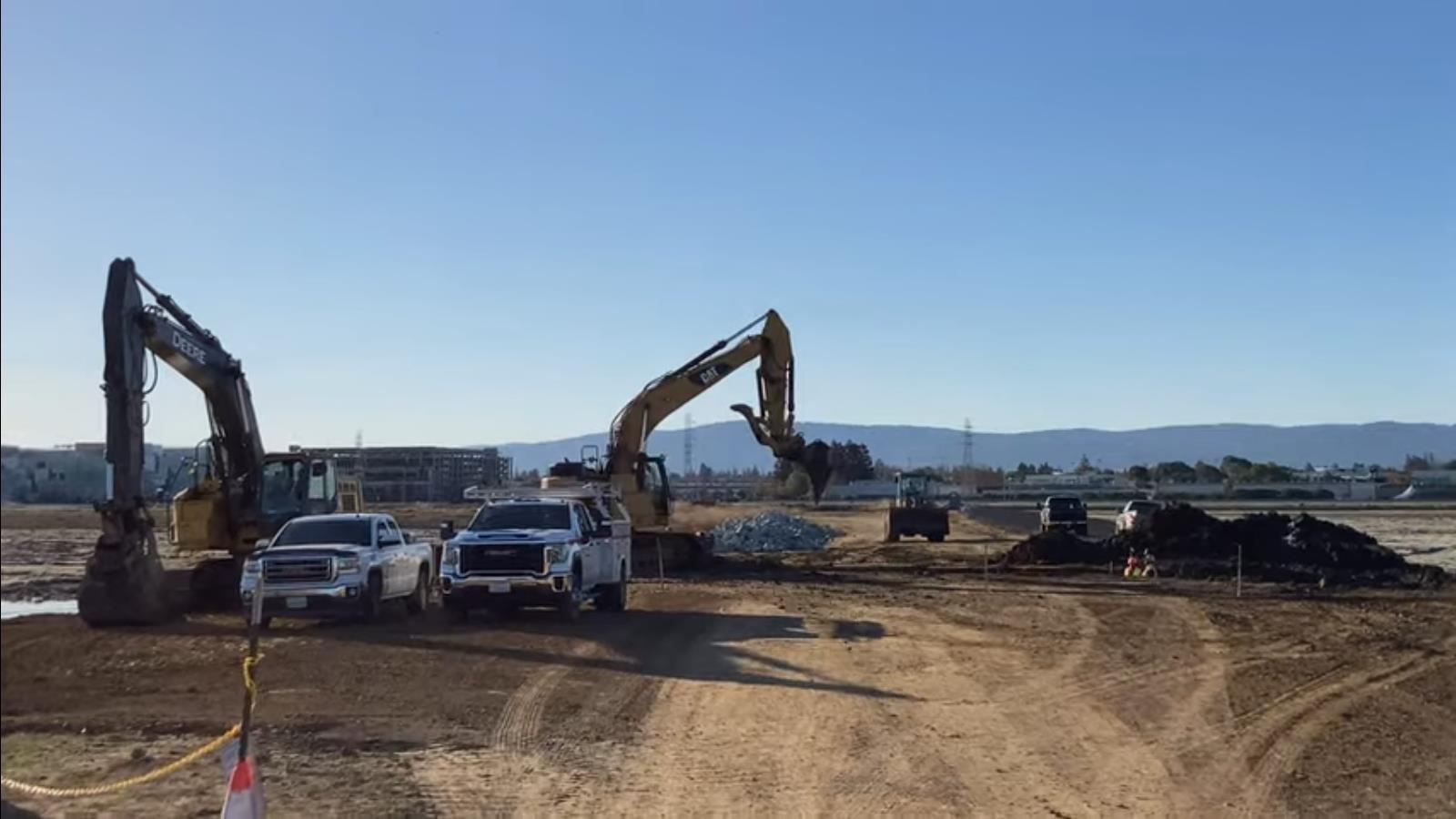
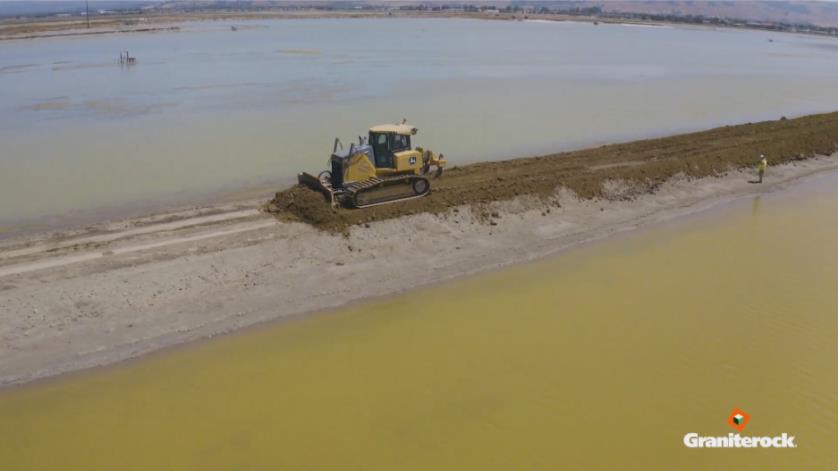
Phase 2 construction activities begin
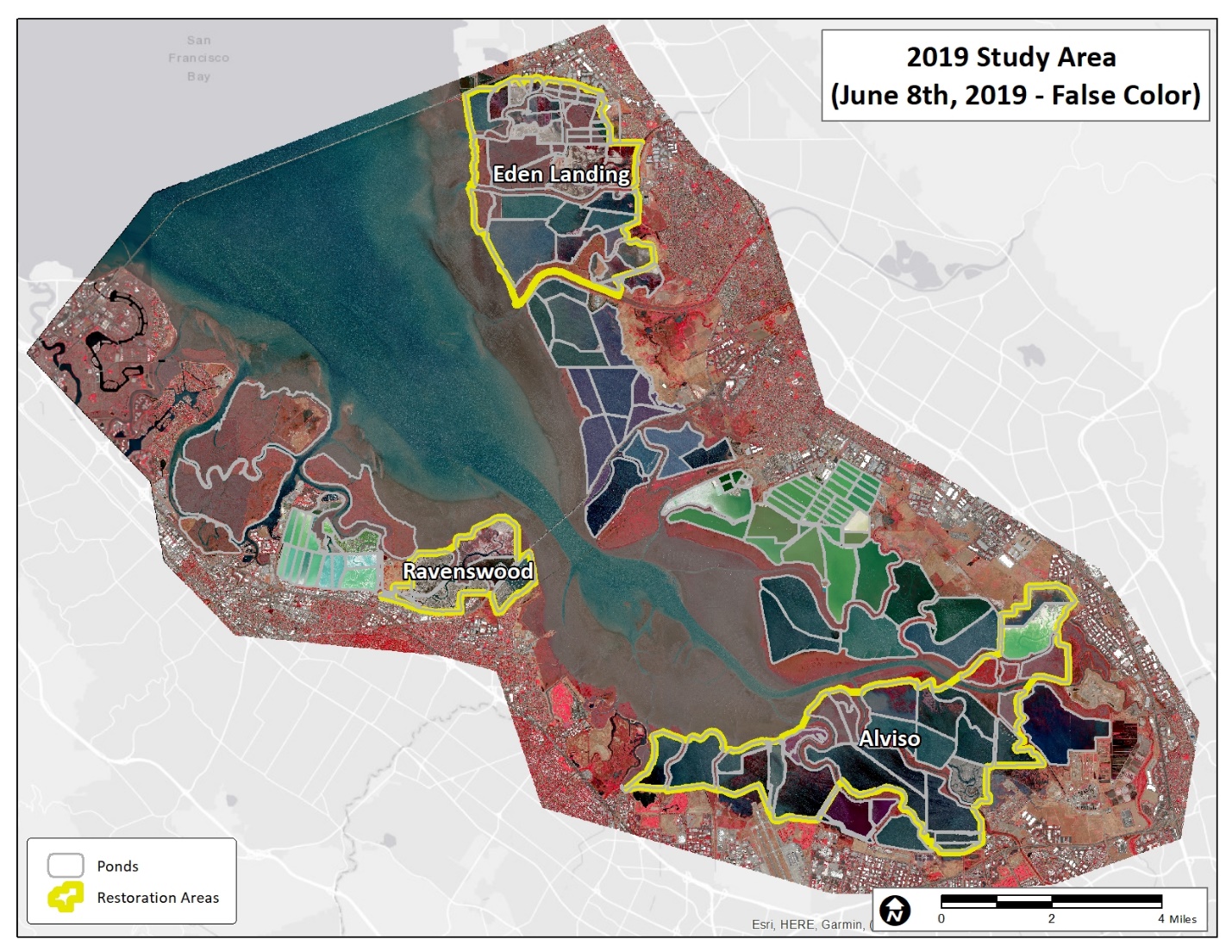
Managers finalize plan for Eden Landing Phase 2 restoration, recreation and flood protection construction
Project managers are proud to have received the Friends of the Estuary Outstanding Environmental Project award at this year’s conference for our Phase 1 habitat and recreation work. The ten years of work improved 3,750 acres of habitat and created 7 miles of new trails, among other recreation improvements. As a result, endangered species and native fish are already using restored areas, and we are seeing increased dabbling ducks and nesting shorebirds in enhanced ponds. Visitors are walking, biking and kayaking in new areas.

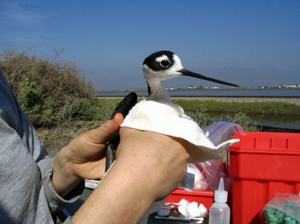
This seminar was targeted toward researchers and scientists working in the south San Francisco Bay to better understand NOAA CO-OPS vertical datums information. Marti Ikehara, the CA State Geodetic Advisor for NOAA/NOS/NGS presented the seminar. The seminar was 2 hours and interactive with questions and answers. The purpose of the seminar was for researchers and scientists to have a clear understanding of the vertical datums and water level data on the NOAA CO-OPS website, and to understand how to read, and how not to read, the CO-OPS materials available on their website.
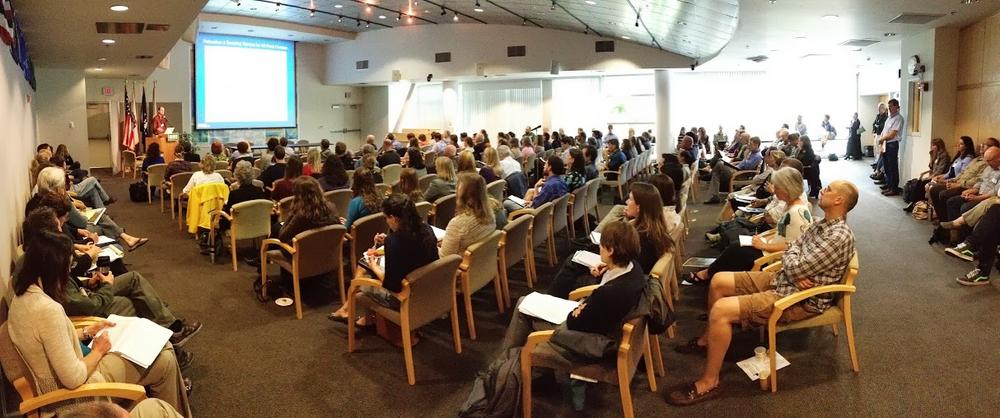
Ravenswood (Menlo Park)
Our Nursery at the Ravenswood site needs some TLC. Come help us weed and do light maintenance work this Saturday.
https://savesfbay.org/event/our-newest-nursery-needs-your-help-ravenswood-menlo-park/
Eden Landing (Hayward/Union City)
Interested in volunteering at the refuge? Come out for a Restoration Work Day celebrating Coastal Cleanup Day! We will be cleaning up trash along the entrance road into the refuge while learning about our habitats and wildlife. This is a great opportunity for middle school, high school, and college students to gain volunteer hours. Great for scout groups and families as well! All ages and skill levels are wel¬come to join. Gloves and tools are provided. Bring a lunch to enjoy after. Reservations recommended.
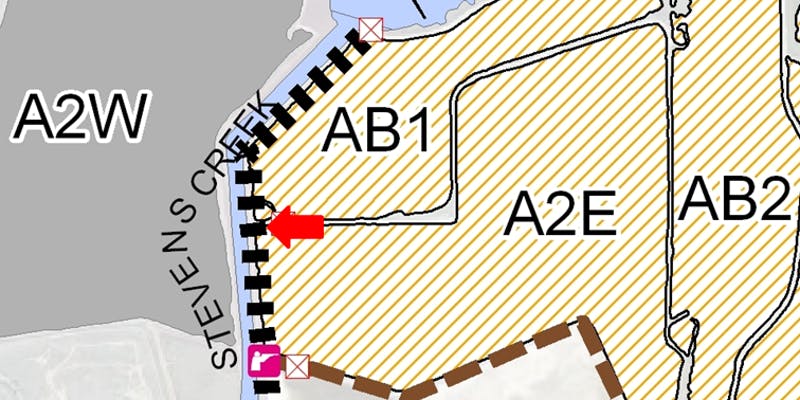
Come help Don Edwards San Francisco Bay National Wildlife Refuge prepare for the upcoming waterfowl hunting season by volunteering to clean up the hunting site and repair hunt blinds in the Alviso Pond area. We will meet on the levee between AB1 and A2E. Go to https://bit.ly/2vqmEas for more information and registration. Afterward, join us for an information meeting at the Environmental Education Center in Alviso at 1 p.m.
11th Biennial State of the San Francisco Estuary Conference
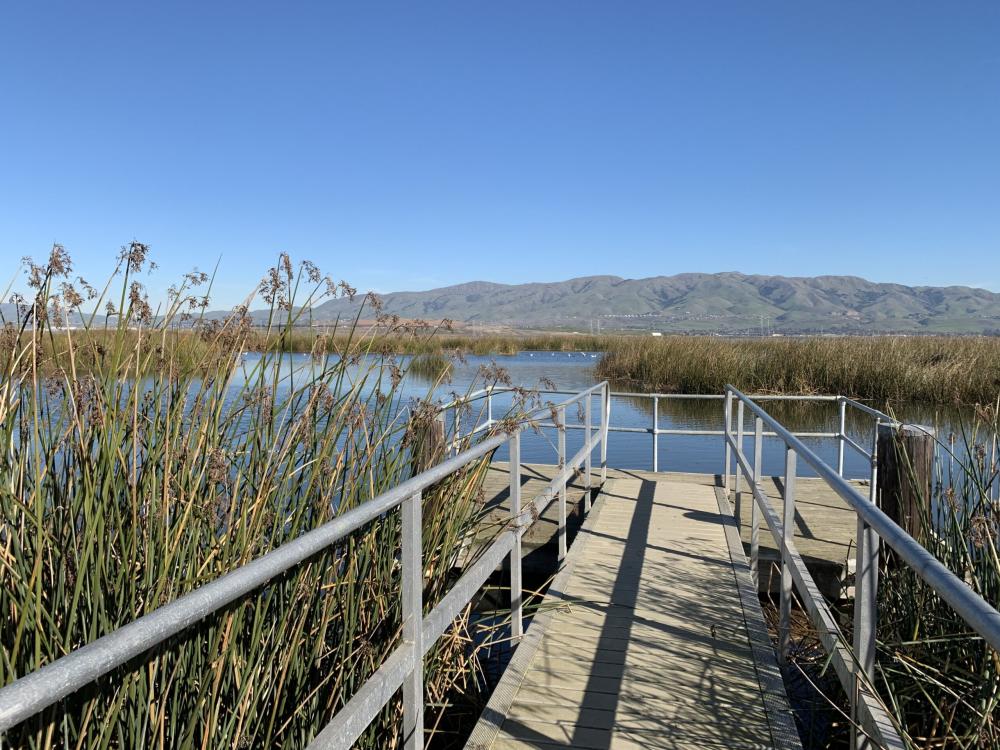
Docent Laurel Stell will talk and walk you through all things tides. What are they? How do they affect wildlife? How have humans reshaped the Bay’s tidal lands?
The presentation will be followed by an easy 0.5-mile walk. All are welcome.
Questions? Email [email protected].
Other Considerations:
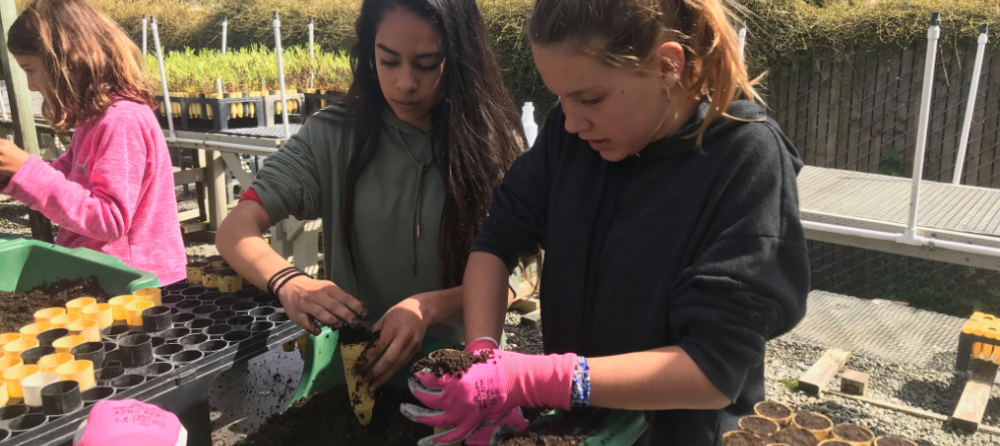
The two best ways to celebrate summer: eat watermelon and give back to the planet! Save The Bay will be at our Ravenswood Nursery doing some weeding in our native plant beds. Join us then reward yourself with some delicious watermelon. To sign up, go to https://savesfbay.org/event/national-watermelon-day-ravenswood-nursery-menlo-park.
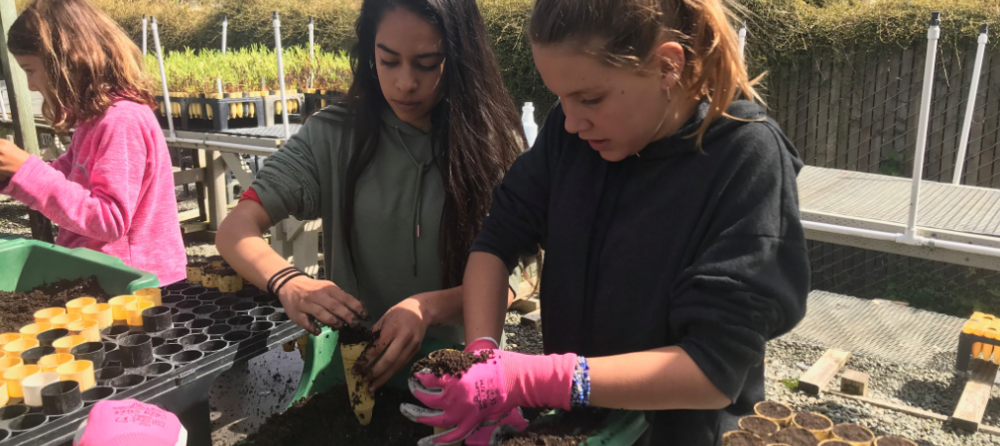
Eden Landing has a beautiful view of Coyote Hills. Enjoy the view with Save The Bay while we give some tender love and care to our native transition zone plants. We will be weeding, mulching and watering our native plants. To sign up, go to https://savesfbay.org/event/join-us-eden-landing-restoration-site-hayward-union-city-2.
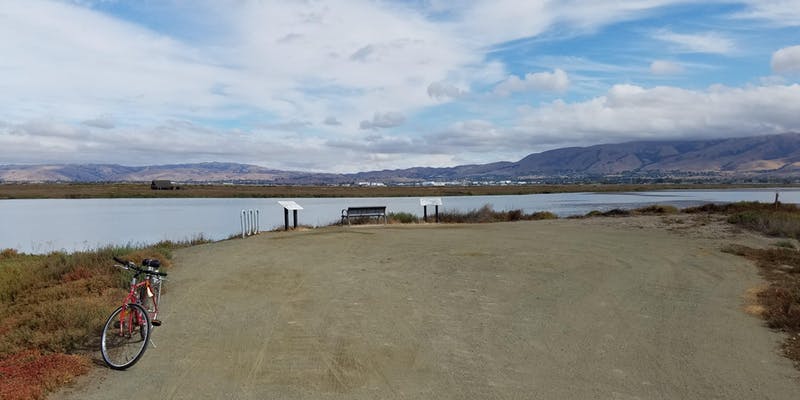
Did you know you could ride your bike on the Refuge trails in Alviso? Join us for a bicycle tour around the levee. We will stop along the way to learn about the Refuge, the wildlife and habitats they use, the importance of Coyote Creek watershed, and the history of the area. The ride is 4.5 miles on a level trail, and there is no shade along the way. Must provide your own bikes, gear, and water bottles. Helmets are required for children. Water and snacks will be provided at a stop. Children ages 10+ recommended, please use your best judgement on skill level for the distance.
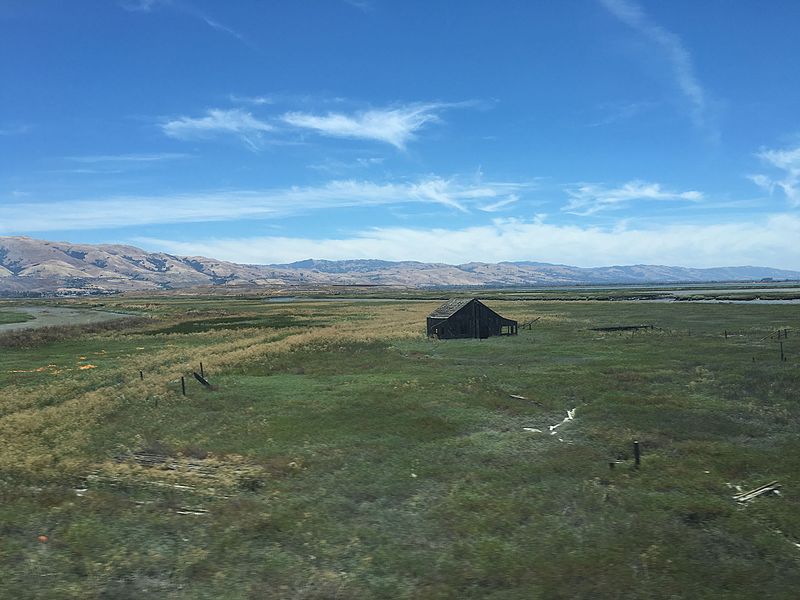
An abandoned town in the San Francisco Bay? That’s right! Nestled on an island in the salt marshes of South San Francisco Bay, the town of Drawbridge once boomed. Was it a quiet, peaceful town full of nature lovers, or people scrabbling out a living? How long did it exist? Find out at this program, led by Ceal Craig. We will start with a slideshow, and then take a short van excursion to view Drawbridge across Coyote Creek. Program will be of most interest to adults interested in history or nature; children 13 and over with an adult are welcome. Space is very limited. RESERVATIONS REQUIRED.
Join us for a bike tour on the Mallard Slough Trail! We will stop along the way to learn about the refuge, the wildlife and habitats, the importance of Coyote Creek watershed, and the history of the area. The ride is 4.5 miles on a level trail, and there is no shade. Must provide your own bikes, gear, and water bottles. Helmets are required for children. Water and snacks will be provided at a stop. Children ages 10+ recommended. Please use your best judgement on skill level for the distance.
Marsh habitats and mudflats of south San Francisco bay were mapped once a year from 2009 to 2011 to track changes to habitats for the South Bay Salt Pond Restoration Project through the Habitat Evolution Mapping Project (HEMP) first phase (known as HEMP 1).
This dataset was collected in 2010 by the US Geological Survey. The survey includes:
In 2010 the U.S.
File contains GER data (field spectroradiometer), and Hyperion and Landsat Satellite imagery for vegetation. Sediment data include field data; Aster, Landsat and Modis satellite data, and final sediment deposition maps for the Alviso Area.
City of San Jose Aerial Photos of Alviso area in natural color and color infrared from 5/28/2010.
National Oceanic and Atmospheric Administration has re-installed and taken over operations and management of the tide gauge station at the confluence of Coyote Creek and Alviso Slough, (9414575 Coyote Creek, CA).
Recent water level data at Dumbarton Bridge has been collected by the U.S. Geological Survey, funded by the Alameda County Flood Control and Water Conservation District.
Compiled by Heather Peterson, US Geological Survey. Updated October 2006.
The Water Quality Monitoring Inventory is an overview of metadata for chemical, physical, and biological data collected to record water quality conditions in and around South San Francisco Bay and the salt ponds.
The following monitoring activities have been funded by the South Bay Salt Pond Restoration Project. Monitoring and research results will be made available through this website in keeping with contract requirements.
Letter submitted to seek confirmation from the Water Quality Control Board that the Project is in compliance with Board Order R2-2008-0078 mercury monitoring requirements.
Mercury dynamics in Pond A8 and Alviso Slough have been studied in order to adaptively manage Pond A8 gate
operations and concerns regarding mercury remobilization and bioaccumulation. On June 1, 2011, Pond was
Framework Agreement, 5-29-02 (PDF, 1 MB) and Map (
The proposals below were accepted by the SBSP project following a peer review selection process. Project start dates vary depending on the availability of funding and the Phase I restoration schedule.
To help structure the South Bay Salt Ponds long-term restoration planning, the Project Partners (State Coastal Conservancy, U.S.
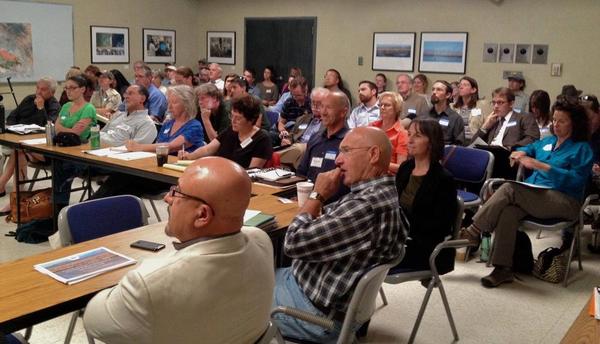
Here you can access records from Stakeholder Forum and early Project planning meetings, from 2003 to 2017. The Stakeholder Forum is the principal public advisory body to the Restoration Project.
Through the South Bay Salt Ponds Initial Stewardship Plan (ISP), the California Department of Fish and Game and U.S. Fish and Wildlife Service are operating and maintaining the ponds prior to the development of the long-term restoration plan. The initial plan:
For ease of downloading, the Eden Landing draft EIS/R document has been posted as individual chapters, as well as the full report in two volumes, “Volume 1” (Executive Summary and individual chapters), and “Volume 2” (Appendices).
In June 2016, San Francisco Bay Area residents will vote on Measure AA, a proposed tax that would fund wetland restoration. Bringing back wetlands would provide habitat for many bird species, and could help save the Bay Area from the rising seas expected from global warming. But some argue the funding mechanism is unfair. Emmett Fitzgerald reports.
The aim of the South Bay Salt Pond Restoration Project is to restore 50–90 percent of former salt evaporation ponds to tidal marsh in San Francisco Bay. However, hundreds of thousands of waterbirds use these ponds over winter and during fall and spring migration.
Don Edwards San Francisco Bay National Wildlife Refuge 3rd Floor Auditorium
1 Marshlands Rd., Fremont, CA
This Adaptive Management Plan (AMP) is integral to the South Bay Salt Pond Restoration Project and is designed to help to guide the planning and implementation of each Project phase.
To prepare a scientifically sound and publicly supported restoration and public access plan that can begin to be implemented within five years
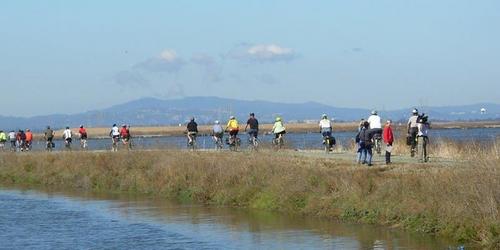
Join one of our Student Conservation Association interns, Haleigh, for a fun walk amongst the refuge habitats to discuss the geology of the area. We’ll learn about the geologic history of San Francisco Bay during a short presentation and then head outside for an interactive walk on our trails. The history of salt harvesting in the South Bay will be highlighted as we walk through the historic and restored salt marshes. Appropriate for all ages. Reservations Required.
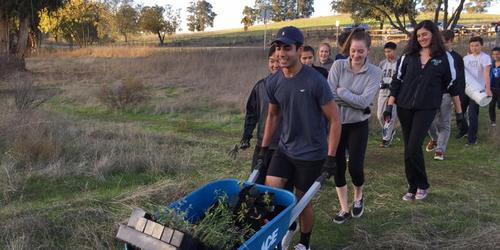
Interested in volunteering at the refuge? Come out for a Restoration Work Day! We will be working in the butterfly garden and surrounding trails. Work will include weeding, mulching, and planting native plants. This is a great opportunity for middle school, high school, and college students to gain volunteer hours. Great for scout groups and families as well. All ages and skill levels are welcome to join. Gloves and tools are provided. Bring a lunch to enjoy after. Reservations required.
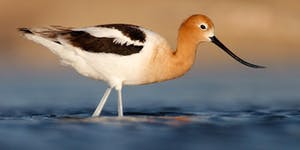
Ravenswood SF2 Trail, Menlo Park
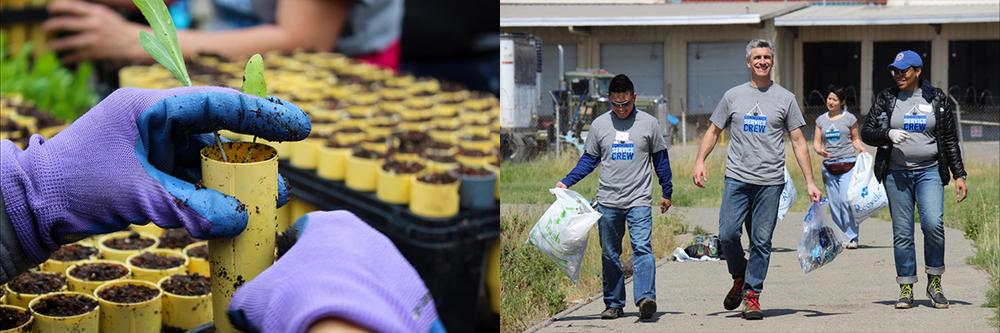
Eden Landing (Hayward/Union City)
State and Federal agencies and private foundations acquire 15,100 acres of commercial salt ponds in the South Bay from Cargill Inc. for $100 million. The South Bay Salt Pond Restoration Project launches to oversee multi-decade restoration of the ponds to achieve wildlife habitat, recreation, and flood protection goals.
The Project's National Science Panel forms to advise on the role of science in the restoration.
Project managers launch an intensive public planning process, including a 25-member Stakeholder Forum and many additional public workshops.
Project managers begin transforming the ponds from industrial salt-production sites to feeding and nesting spots for migratory birds in a 3-year initial stewardship plan to dilute salty water and optimize water levels.
Thousands of shorebirds and ducks began returning to ponds now managed for wildlife instead of salt production.
2,000 acres of ponds are opened for waterfowl hunting.
Based on extensive public and stakeholder dialogue, managers finalize three alternative Project-wide plans for consideration and environmental analysis: a 50/50 split between tidal marsh and ponds; a 90/10 split between tidal marsh and ponds; and no change.
Project managers breach the Island Ponds (A19-A21), reconnecting 800 acres of former salt ponds to the Bay.
The Project launches three public Working Groups to guide Phase 1 design and construction at each pond complex.
Project managers finalize a 50-year Restoration Plan! The Plan establishes an adaptive management process, so that ecological factors guide the extent of salt marsh restoration; based on scientific data and the needs of multiple protected species, the Project will restore from 50% to 90% of the ponds to salt marsh.
The project launched a $4 million scientific research and monitoring effort, engaging a variety of academic, government, non-profit and private sector researchers on more than 20 studies on key scientific questions.
A new experiment to scatter oyster shells in nesting areas of the threatened Western snowy plover is designed to camouflage similarly-colored eggs and chicks from predators.
Phase 1 construction begins.
A hillside interpretive station opens on a hillside at Menlo Park's Bedwell Bayfront Park, offering views of pond habitat and historic salt marshes.
The Restoration Project completes its first major construction, 30 nesting islands and other enhancements at 240-acre Pond SF2 by the Dumbarton Bridge for shorebirds and threatened western snowy plovers, plus a 0.7-mile trail and two viewing platforms.
A new 2.2-mile stretch of Bay Trail along Moffett Field opens, connecting Mountain View’s Stevens Creek and Sunnyvale.
Project managers launch planning for Phase 2 construction projects, dialoguing with stakeholders and members of the public at periodic public meetings.
The 360-acre Duck's Head pond, A6, is breached to the Bay, creating tidal channel habitat that will evolve over time to tidal salt marsh.
1440 acres of ponds along Alviso Slough, Ponds A8, A7 and A5, are connected to the Bay via 1 gate (on a new 8-gate dam), enhancing the ponds for ducks, pelicans and cormorants, and taking the first small step toward restoring marsh. The structure allows careful control of water flows in this mercury-laden area to minimize toxin impacts to wildlife.
630 acres of ponds are breached to the Bay to begin natural salt marsh restoration (ponds E8A, E9, and E8X)
Greater numbers and species of native fish are using restored and enhanced ponds, including the threatened longfin smelt, scientists report.
130-acre Pond A17 is breached to the Bay to begin natural salt marsh restoration.
The Project enhances 240-acre Pond A16 for migrating shorebirds, building 16 nesting islands and installing a fish screen to protect salmon and steelhead.
Endangered Ridgway's rails found for the first time at our restoring salt marsh (Pond A21)
230 acres of ponds are optimized for shorebirds and ducks, with new nesting islands and roosting mounds. The ponds also offer a range of water salinities and levels to test which levels birds prefer (Ponds E12/E13)
Endangered salt marsh harvest mice found for the first time on our restoring salt marsh
Managers finalize plan for Phase 2 restoration and recreation construction at Alviso and Ravenswood ponds
A kayak launch and 3.8 miles of new trails open to some of the Bay's oldest salt-making ruins: the 19th Century Oliver Saltworks ruins and Archimedes screws, old windmill-like water pumps
Managers open all 8 gates to Pond A8, a step toward restoration, after scientists conclude the tidal opening won't harm wildlife in an area of toxic mercury-laden mud.
The purpose of this brief report is to brief interested parties on the preliminary actions identified by the Project Management Team regarding the next phase of restoration and solicit input on these (and other) alternatives.
For ease of downloading, the EIS/R document has been posted in sections. For some sections, a choice of versions is available—smaller files download more quickly. The documents incorporated by reference are also listed below.
The Final Environmental Impact Statement/Report (FEIS/R) for the South Bay Salt Pond Restoration Project evaluates the potential environmental impacts of the Restoration Project. It sets out the Restoration Project's long-term restoration, public access and flood risk management plan.
The State Coastal Conservancy and multiple state, federal, and non-profit partners have begun construction of native oyster and eelgrass beds as part of an innovative habitat restoration and climate change adaptation pilot project in San Francisco Bay. Working with landowners, The Nature Conservancy and the CA Department of Fish and Wildlife, the project builds upon 50 year regional goals for the restoration and protection of heretofore ‘hidden’ aspects of this majestic estuary.
Leopard sharks along with two other species in the San Francisco Bay are dying by the thousands and environmental biologists are attempting to find out why.
Scientists say a witches' brew of bacterial, viral and fungal toxins is killing vulnerable shark populations in the Bay.
"There's probably been several thousand animals dying," said Mike McGill, a marine biologist at the Aquarium of the Bay on San Francisco's Pier 39. "We're just seeing the ones on the surface that are actually stranding on the beaches."
If you have an interest in wildlife and their conservation, enjoy working with people, and are enthusiastic and dependable, the Refuge's volunteer program is for you! As a volunteer, you'll receive on-the-job training from staff and other volunteers in the project area you choose. Project areas are restoration projects, information desk on weekends, interpretive programs, school field trips, and citizen science/community service. Volunteer Requirements: attend a volunteer orientation; attend the scheduled trainings; meet the age requirements for the program.
There’s plankton in our Bay! Learn about the different characteristics of plankton and how they have adapted to survive. We will become planktologists for a day, collect water samples and identify these incredible organisms under a microscope! Best suited for ages 7 and up. Register at Register http://eectinydrift.eventbrite.com or call 408-262-5513 ext. 102 for reservations.
Look for birds, mammals, and animal tracks as we explore along the water’s edge on this 3.7-mile nature walk. Bring binoculars and your favorite field guide to help enjoy the views. Have at least one liter of water, snacks, and appropriate clothing. Rain cancels hike. Led by Steve Stolper, certified California Naturalist. RESERVATIONS REQUIRED. Go to https://hikeeectrail.eventbrite.com. Questions? Call 408-262-5513 ext. 104.
Tidal Marshes are vegetated wetlands that regularly receive some tidal action. High quality tidal marshes contain intricate networks of channels through which the tides move in and out of the marsh complex.
The Project Management Team expects that restoration of a portion of the salt ponds to tidal marsh and management of the remainder of ponds will benefit a greater diversity of wildlife, particularly endangered species, such as the California clapper rail, the salt marsh harvest mouse and several fish and aquatic species. Managed ponds will continue to provide important feeding and resting habitat for migratory shorebirds and waterfowl-a function that is already provided by some of the existing salt ponds.
The South Bay Salt Pond Restoration Project is the largest tidal wetland restoration project on the West Coast. When complete, the restoration will convert 15,100 acres of commercial salt ponds at the south end of San Francisco Bay to a mix of tidal marsh, mudflat and other wetland habitats. The property was purchased by the State of California and the Federal government from Cargill Salt as part of a larger land transaction that includes 1,400 acres of salt crystallizer ponds on the east side of the Napa River.
The goals are to restore and enhance a mix of wetland habitats, to provide wildlife-oriented public access and recreation, and to provide for flood management in the South Bay. See the Project Goals and Objectives.
The Project Management Team is comprised of the California State Coastal Conservancy (SCC), the California Department of Fish and Wildlife (DFW), the U.S. Fish and Wildlife Service (FWS), Santa Clara Valley Water District (SCVWD), Alameda County Flood Control and Water Conservation District (ACFCWCD), and the U.S. Army Corps of Engineers (USACE), as well as the Lead Scientist and Collaborative Process Coordinator.
The Project is subject to both the California Environmental Quality Act (CEQA) and the National Environmental Protection Act (NEPA), which are state and federal laws, respectively, that require projects to be reviewed for their potential environmental impacts. Once potential environmental impacts are identified, the laws require project sponsors to identify ways to avoid, minimize, and, if necessary, mitigate the impacts, where feasible. The Project has produced a joint Environmental Impact Report (EIR), as required by CEQA, and Environmental Impact Statement (EIS), as required by NEPA.
As Cargill phased out salt production, DFG and FWS began initial stewardship of the salt ponds. The objectives of initial stewardship were to protect the existing habitat values of the acquired ponds and to maintain the property so that it could be restored later on. See Initial Stewardship for more information. The long-term restoration plan for the salt ponds was developed while initial stewardship took place.
Acquisition: Acquisition of the 16,500 acres of salt ponds and associated habitats in the South Bay and along the Napa River was funded with $72 million from the State Wildlife Conservation Board, $8 million from the U.S. Fish and Wildlife Service, and $20 million from the Hewlett, Packard, and Moore Foundations and the Goldman Fund.
Restoration: Funds for implementation of the restoration, flood management, and public access plan to date have come from a mix of sources, including local, state, and federal funds, as well as private funds.
Currently, the Project Management Team plans for restoration to be funded by public agencies and foundations. Based on other restoration projects in the Bay Area and depending on the level of construction work needed, the cost could range from the low hundreds of millions to the high hundreds of millions over many decades. Resource and regulatory agencies will decide whether or not some of the implementation funds will come from project sponsors seeking to mitigate impacts to habitats in other parts of the San Francisco Bay.
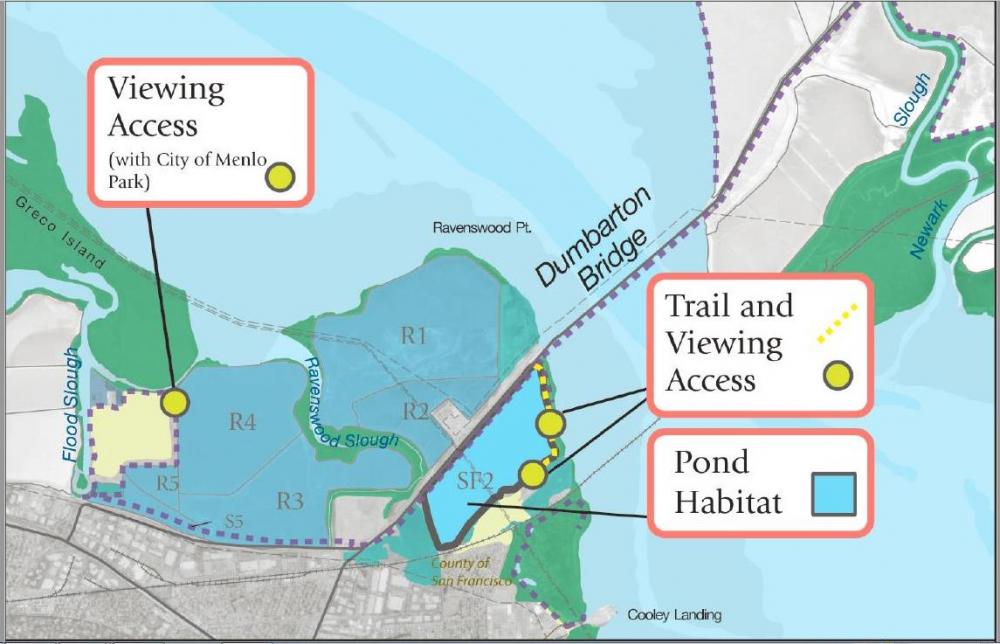
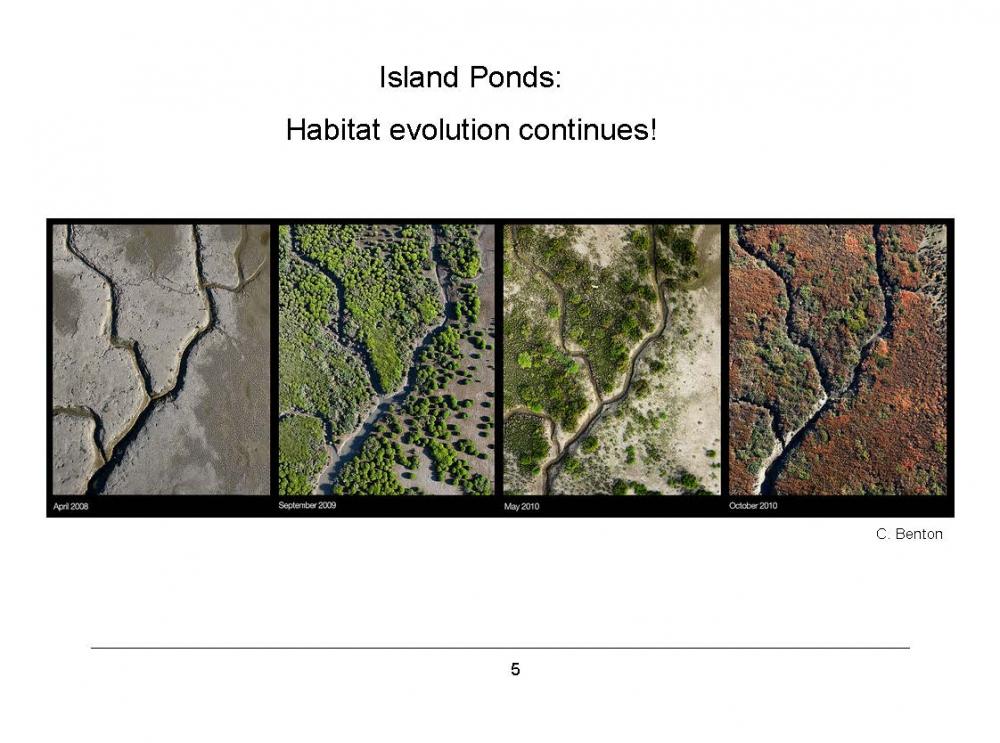
Meeting purpose: Present Shoreline Study partners’ tentatively selected plan for Alviso-area flood risk management (including levee alignments), ecosystem restoration and public trails, and gather input.